No portrait yet
Dawar Erotic
Tochi (Dawar) Valley in North Waziristan, Khyber Pakhtunkhwa, Pakistan, centered on Miranshah and Mir Ali
Pashto, Karlani dialect group (Indo-European, Eastern Iranian)
Sunni Islam (Hanafi)
Upper Dawar (Miranshah area) and Lower Dawar (Mir Ali area); part of the Karlani Pashtun confederation, kin to the Bannuchi through Shitak
About Dawar People
The Dawar are the people of the Tochi Valley, and for most of their history the valley has defined them more than any family tree has. The Tochi River comes down out of the mountains of North Waziristan and runs east toward Bannu. On the way it waters a strip of flat land that can be irrigated, in a district that is otherwise hard ridges and dry ravines. The Dawar settled that strip and farmed it. Miranshah and Mir Ali, the towns most outsiders know from news reports, sit in the middle of their country. Locals still split it into Upper Dawar around Miranshah and Lower Dawar downstream around Mir Ali.
They are Pashtuns of the Karlani branch, a loose grouping of hill tribes that also includes their Wazir and Mahsud neighbors. They count the Bannuchi of the Bannu plain as close kin through a shared ancestor, Shitak. They speak a Karlani dialect of Pashto, the Eastern Iranian language spoken across the frontier. Karlani dialects shift their vowels enough to make a speaker from Peshawar listen twice, and Dawar speech is close to that of their Bannuchi and Wazir neighbors. Social life runs on Pashtunwali, the code of hospitality, refuge and personal honor, and disputes still go before a jirga of elders. Religion is Sunni Islam of the Hanafi school, and village mosques and religious scholars carry real weight in local affairs.
The last hundred and thirty years have been hard on the valley. The British moved into the Tochi in the 1890s and turned Miranshah into a military post, so a farming district became a garrison route. After 2001, North Waziristan became a base for militant groups and a target of drone strikes. In 2014 a major Pakistani military offensive emptied Miranshah and Mir Ali. Hundreds of thousands of residents fled to Bannu or across the border into Khost, many of them Dawar, and families who came back found their markets and homes in ruins.
That experience produced the best-known Dawar in national politics, Mohsin Dawar. He co-founded the Pashtun Tahafuz Movement, which campaigned against enforced disappearances and military abuses in the tribal districts. Since the former tribal areas merged into Khyber Pakhtunkhwa in 2018, the valley has been run as an ordinary district instead of under the colonial Frontier Crimes Regulation, though security there is still unsettled. Many Dawar households depend on money sent home by men working in the Gulf and in Pakistan's big cities, while the family members who stay keep farming the same irrigated fields.
Related ethnic groups
Groups that share Dawar's homeland, region, language, or religious tradition. These are likely candidates for comparative phenotype reference.
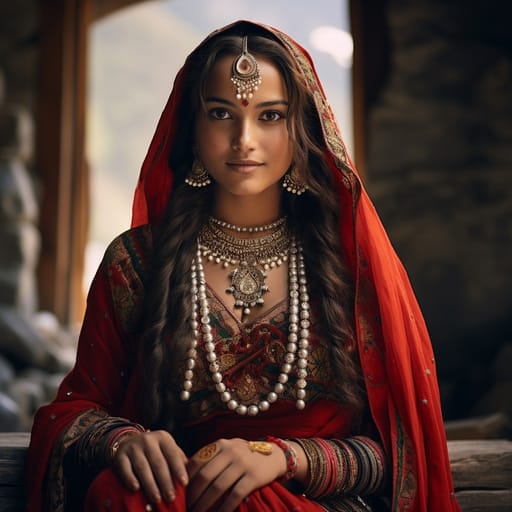
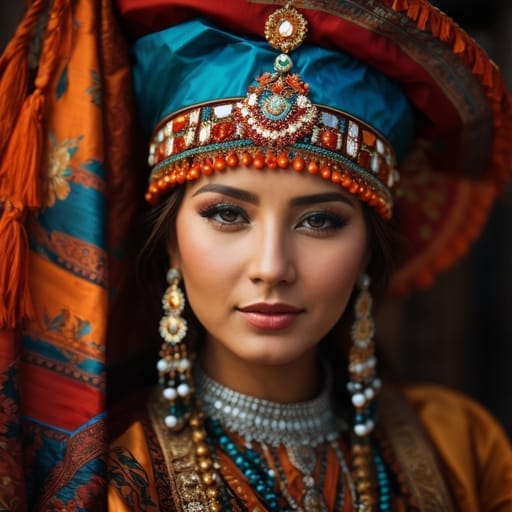
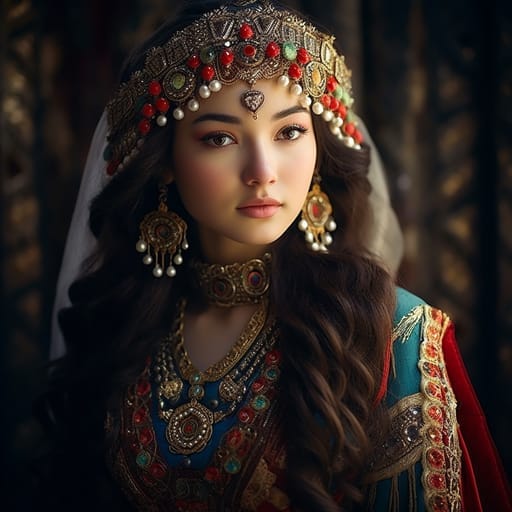
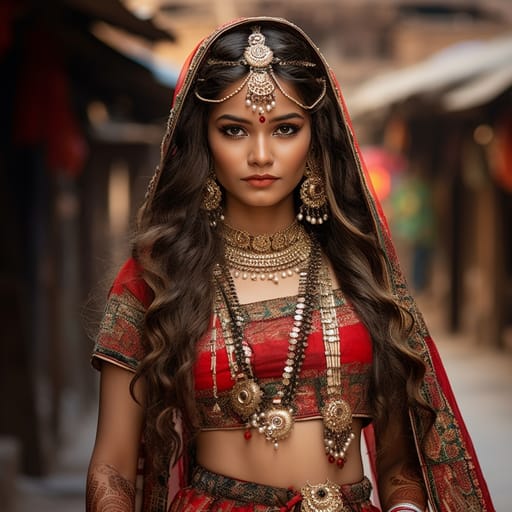
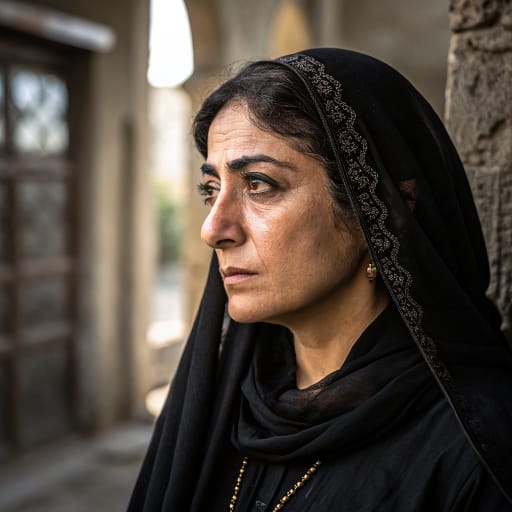
Typical Dawar Phenotypes
Reference for AI generation: hair, eyes, skin, facial structure, build
Explore phenotype categories
Structured taxonomy with peer-reviewed scales · 22 anatomical categories
Erotic Poses & Sex Positions
From the pose catalog: 219 named positions with reference skeletons
Frequently asked questions about Dawar people
Where is the Dawar homeland?
The Dawar homeland is Tochi (Dawar) Valley in North Waziristan, Khyber Pakhtunkhwa, Pakistan, centered on Miranshah and Mir Ali in Southern Asia.
What language do Dawar people speak?
Dawar people primarily speak Pashto, Karlani dialect group (Indo-European, Eastern Iranian).
What religion do Dawar people practice?
The predominant religion among Dawar people is Sunni Islam (Hanafi).






Make your own Dawar images
Five a day, free, no credits to buy. The studio starts from this group's phenotype data, so you can set body type, pose and style and keep the traits accurate.
Start with Dawar