No portrait yet
Na Erotic
Upper Subansiri district, Arunachal Pradesh, India, mainly the Taksing area near the border with Tibet
Na or Nah (Sino-Tibetan, Tani branch); Hindi widely used as a regional lingua franca (Indo-European)
Tibetan Buddhism, reflecting long contact with Tibet
Tani peoples of Arunachal Pradesh; closely associated with the neighboring Tagin
About Na People
The Na, also spelled Nah, are a small community living in the upper Subansiri valleys in the far north of Arunachal Pradesh, close to the line that divides India from Tibet. What sets them apart is that they belong to two worlds at once. Their language is part of the Tani family, like those of the Tagin, Nyishi, Galo and Adi to the south, but their religious life faces north, toward the Buddhism of the Tibetan plateau. They are not the Na of southwest China, who are better known as the Mosuo. The two peoples have similar names and not much else in common.
Their villages are in the Taksing area of Upper Subansiri district. It is a land of steep forested slopes, cold high ridges and rivers that feed the Subansiri on its way down to Assam. It is remote even by Arunachal standards, and in modern times the border has shaped it more than anything else. China claims most of Arunachal as southern Tibet, and one of the first armed clashes between the two countries took place at Longju in 1959, in the upper Subansiri basin. People, goods and pilgrims once moved across this frontier in both directions. Today it is a closely watched line.
The Na language is part of the Tani branch of Sino-Tibetan and is usually grouped close to Tagin, the main language of the district. Because so few people speak it, it lives on mostly at home and in the village. Hindi, the everyday common language across Arunachal, is used for school, the market and dealing with government. Small languages all over the state are losing ground to Hindi and English in the same way.
Religion is where the Na differ most from their Tani relatives. Most Tani speakers either kept their own priest-led faith, now partly organized under the name Donyi-Polo, or became Christians. The Na are instead counted among the state's Buddhist peoples, along with northern border groups such as the Monpa, Memba and Khamba. That reflects long contact with Tibet through the mountain passes. Beyond government surveys and lists of languages, little has been written about the Na, so much of what makes their life their own, from clan histories to festivals, is kept in memory rather than in print. For a people this small, that leaves their traditions at risk, but it also keeps those traditions in their own hands.
Related ethnic groups
Groups that share Na's homeland, region, language, or religious tradition. These are likely candidates for comparative phenotype reference.




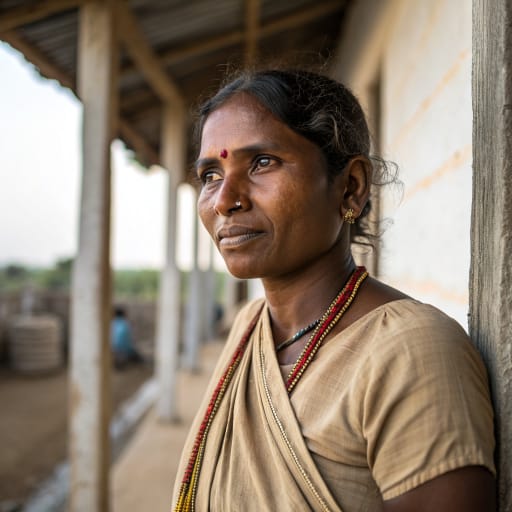
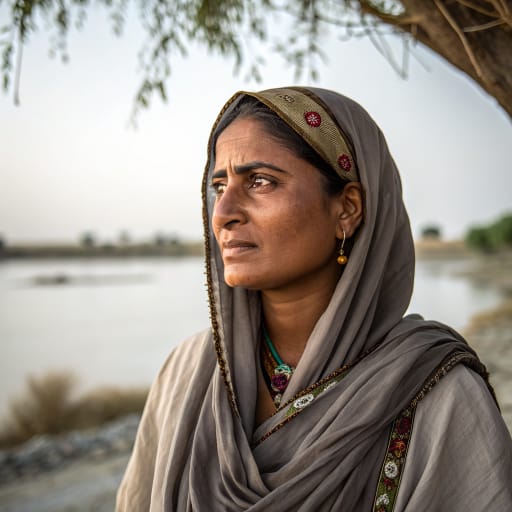

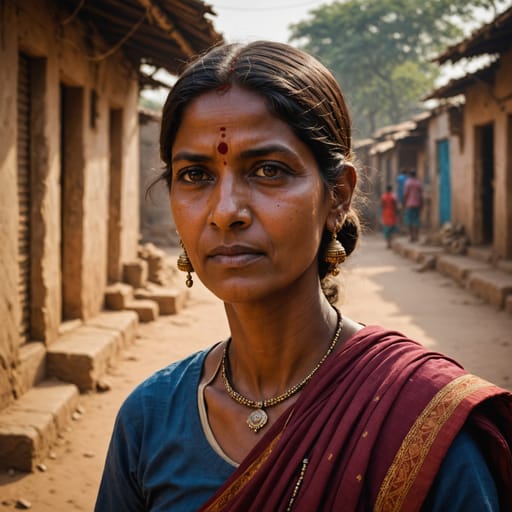
Typical Na Phenotypes
Reference for AI generation: hair, eyes, skin, facial structure, build
Explore phenotype categories
Structured taxonomy with peer-reviewed scales · 22 anatomical categories
Erotic Poses & Sex Positions
From the pose catalog: 219 named positions with reference skeletons
Frequently asked questions about Na people
Where is the Na homeland?
The Na homeland is Upper Subansiri district, Arunachal Pradesh, India, mainly the Taksing area near the border with Tibet in Southern Asia.
What language do Na people speak?
Na people primarily speak Na or Nah (Sino-Tibetan, Tani branch); Hindi widely used as a regional lingua franca (Indo-European).
What religion do Na people practice?
The predominant religion among Na people is Tibetan Buddhism, reflecting long contact with Tibet.






Make your own Na images
Five a day, free, no credits to buy. The studio starts from this group's phenotype data, so you can set body type, pose and style and keep the traits accurate.
Start with Na