Help us get this right
Does this portrait look right for Bhurgri?
Nobody has judged this one yet. You would be the first.
Bhurgri Erotic
Sindh province, Pakistan, chiefly upper Sindh around Larkana and Jacobabad and the Mirpur Khas area in the southeast; smaller numbers in neighboring Balochistan.
Sindhi (Indo-Aryan, Indo-European) as the main mother tongue; Saraiki (Indo-Aryan) in upper Sindh; Balochi (Northwestern Iranian, Indo-European) retained by some families.
Islam, predominantly Sunni, with strong attachment to Sindh's Sufi shrines and hereditary pirs.
A Baloch tribe; part of the Sindhi Baloch, the Baloch-descended tribes long settled in Sindh and largely Sindhi-speaking.
About Bhurgri People
The Bhurgri are a Baloch tribe of Sindh, and that short phrase holds the whole story. They carry a Baloch name, a Baloch genealogy and a sense of tribal belonging that runs through the male line, yet most of them have spoken Sindhi for generations, farm Sindhi soil and think of the Indus plain as home. They belong to the large population that Pakistanis call Sindhi Baloch: descendants of tribesmen who came down from the Balochistan highlands, many of them drawn in as soldiers and cultivators under the Kalhora rulers, and who became part of the province's landed order when the Talpurs, themselves Baloch, ruled Sindh from 1783 until the British conquest of 1843. Bhurgri families are found in upper Sindh around Larkana and Jacobabad and in the southeast around Mirpur Khas, with some kin across the provincial line in Balochistan.
Language tells you how deep the settlement goes. Balochi is a Northwestern Iranian language; Sindhi is Indo-Aryan, and the two are not mutually intelligible. For most Bhurgri, Sindhi is the mother tongue, Saraiki is common toward the north, and Balochi survives in some households more as heritage than as daily speech. What stays Baloch is the structure: the tribal surname, the authority of lineage elders, marriage that favors kin, and a code of hospitality and honor that Baloch everywhere would recognize. Religion is Sunni Islam for most, lived in the Sindhi manner, which means the shrines of Sufi saints and the hereditary pirs who tend them matter as much to ordinary life as the mosque does.
The tribe's public reputation rests heavily on one man. Ghulam Muhammad Khan Bhurgri, born in 1878 into a landowning family in what is now Mirpur Khas district, trained as a barrister in London and came home to become one of the first modern politicians Sindh produced. In the Bombay Legislative Council he attacked rasai, the custom that obliged local people to provision touring officials at their own expense, and he was an early voice for separating Sindh from the Bombay Presidency, a change that came in 1936, twelve years after his death. The town of Kot Ghulam Muhammad carries his name. A later bearer of the surname, Abdul Majid Bhurgri, did something quieter and just as lasting: in the late 1980s he worked out how to put the Sindhi script on a computer, and the keyboard layouts and fonts that followed underpin how Sindhi is typed on screens today.
That pairing sums up the Bhurgri fairly: a tribe by descent, Sindhi by speech and loyalty, with a habit of investing in the language and politics of the place that took them in.
Related ethnic groups
Groups that share Bhurgri's homeland, region, language, or religious tradition. These are likely candidates for comparative phenotype reference.
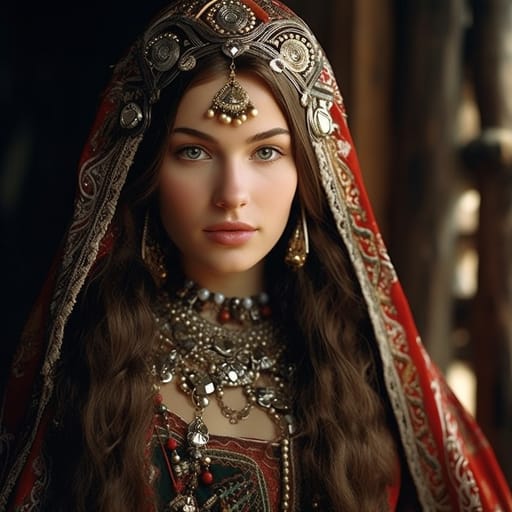
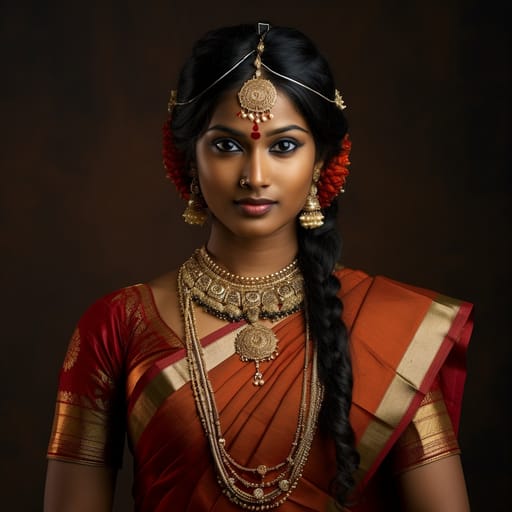
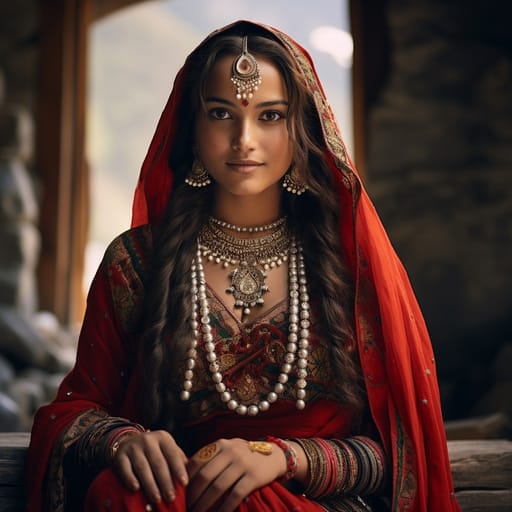
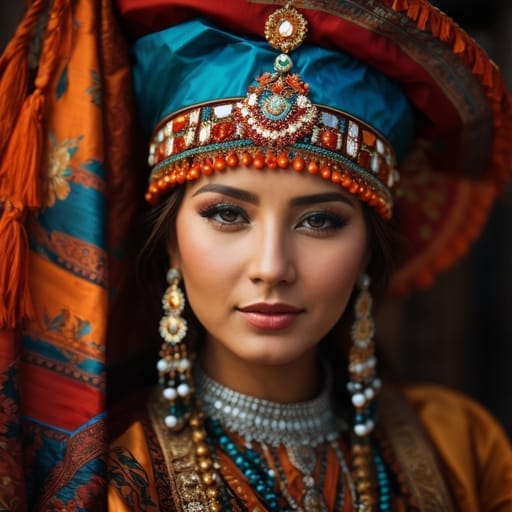
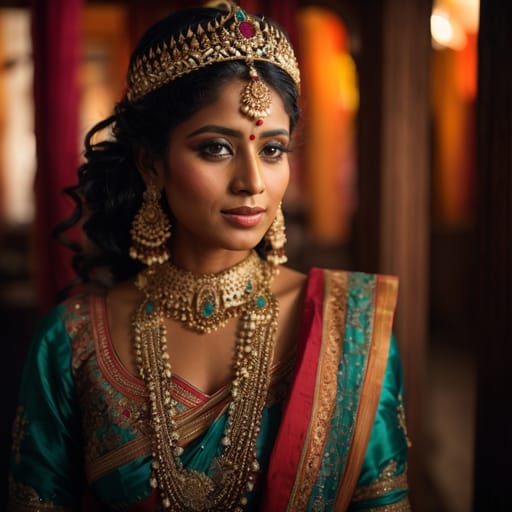
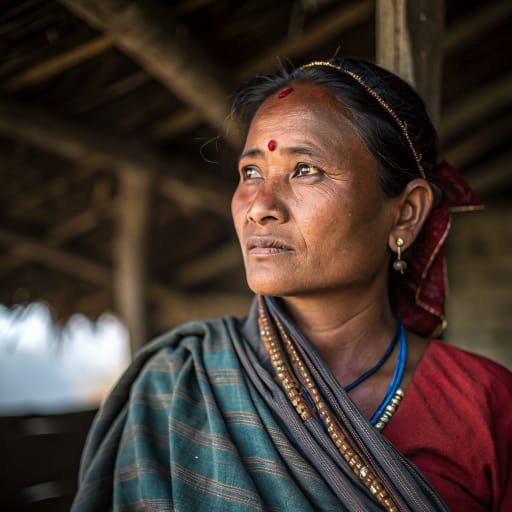
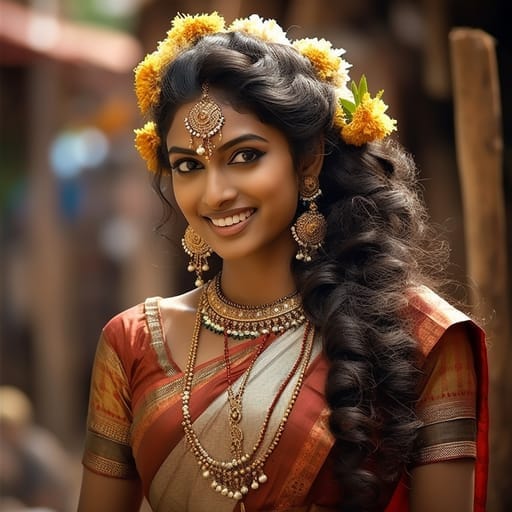
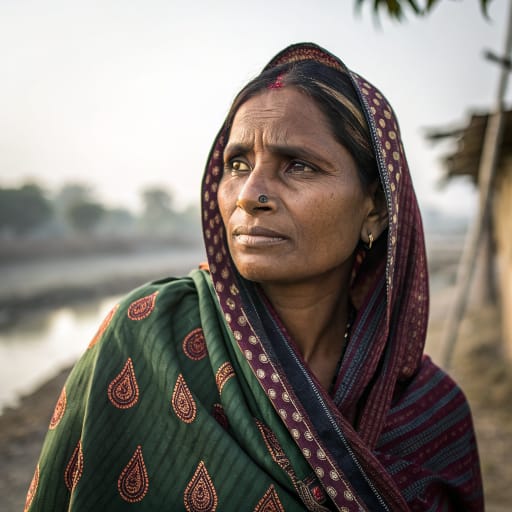
Typical Bhurgri Phenotypes
Reference for AI generation: hair, eyes, skin, facial structure, build
Explore phenotype categories
Structured taxonomy with peer-reviewed scales · 22 anatomical categories
Erotic Poses & Sex Positions
From the pose catalog: 219 named positions with reference skeletons
Frequently asked questions about Bhurgri people
Where is the Bhurgri homeland?
The Bhurgri homeland is Sindh province, Pakistan, chiefly upper Sindh around Larkana and Jacobabad and the Mirpur Khas area in the southeast; smaller numbers in neighboring Balochistan. in Southern Asia.
What language do Bhurgri people speak?
Bhurgri people primarily speak Sindhi (Indo-Aryan, Indo-European) as the main mother tongue; Saraiki (Indo-Aryan) in upper Sindh; Balochi (Northwestern Iranian, Indo-European) retained by some families..
What religion do Bhurgri people practice?
The predominant religion among Bhurgri people is Islam, predominantly Sunni, with strong attachment to Sindh's Sufi shrines and hereditary pirs..






Make your own Bhurgri images
Five a day, free, no credits to buy. The studio starts from this group's phenotype data, so you can set body type, pose and style and keep the traits accurate.
Start with Bhurgri