Help us get this right
Does this portrait look right for Dhimal?
Nobody has judged this one yet. You would be the first.
Dhimal Erotic
Eastern Terai (Jhapa, Morang, Sunsari districts), Nepal; some in India
Animism (nature and territorial deities); Hinduism
Eastern and western Dhimal divisions
About Dhimal People
The Dhimal are an indigenous people of the eastern Terai lowlands of Nepal, concentrated in the Jhapa, Morang and Sunsari districts, with a small related population across the border in India. They speak Dhimal, a Dhimalish language of the Sino-Tibetan family, and are a small group numbering in the tens of thousands. They are one of the older communities of the eastern plains.
Society and subsistence
The Dhimal are settled farmers, cultivating rice, jute and vegetables on the plains, and are organised into exogamous clans with village priests who conduct communal worship. Their traditional religion is animist, centred on nature and territorial deities such as the earth and the household and forest spirits, with worship at open shrines; over time Hindu practice and deities have been widely absorbed. Weaving on backstrap and frame looms is a valued skill, producing the cloth for women's dress. Living amid larger Nepali-speaking and Rajbanshi neighbours, the Dhimal have retained a distinct language and ritual calendar despite strong assimilation pressures. Village priests and shamans lead seasonal rites to the guardian deities of field and forest, among them the goddess Sansari, seeking good harvests and protection from illness.
Appearance and adornment
Dhimal women wear handwoven wraparound skirts and shoulder cloths, generally in dark tones with coloured striped borders, made on backstrap and frame looms, together with glass-bead necklaces, silver nose studs and earrings. Men traditionally wore simple woven cloth and now largely wear modern dress. Overall adornment is modest compared with the northeastern hill peoples, in keeping with a settled farming community of the plains. Traditional attire and communal worship remain most visible at seasonal festivals and clan rituals. Living in tidy villages of thatched houses, the Dhimal have farmed the eastern Terai for many generations, and today face pressures on their land and language that have spurred efforts to record their songs and customs.
Related ethnic groups
Groups that share Dhimal's homeland, region, language, or religious tradition. These are likely candidates for comparative phenotype reference.
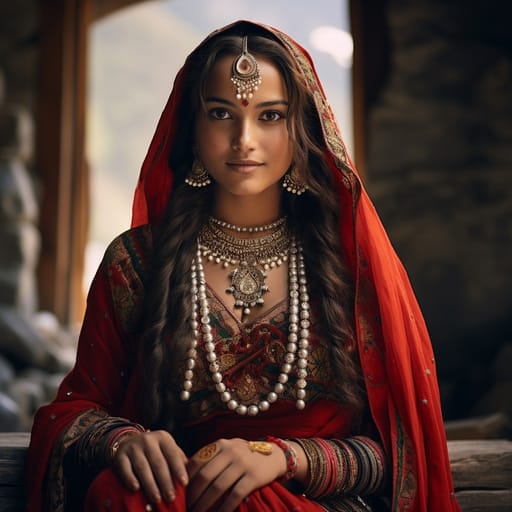
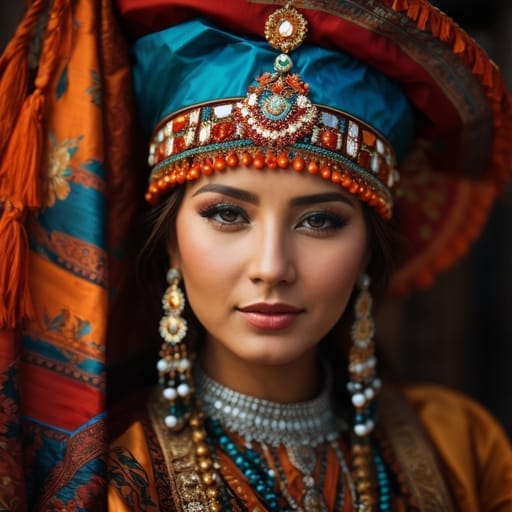
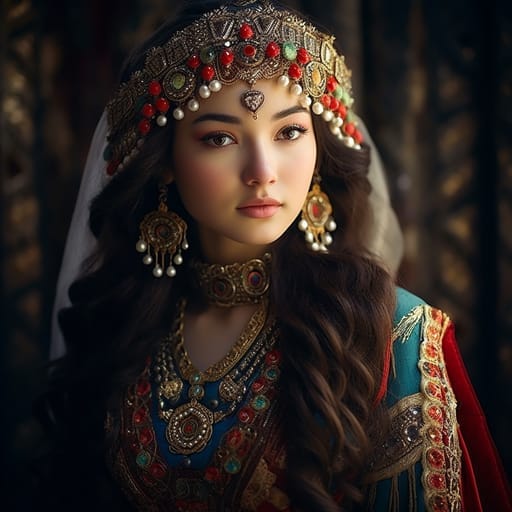
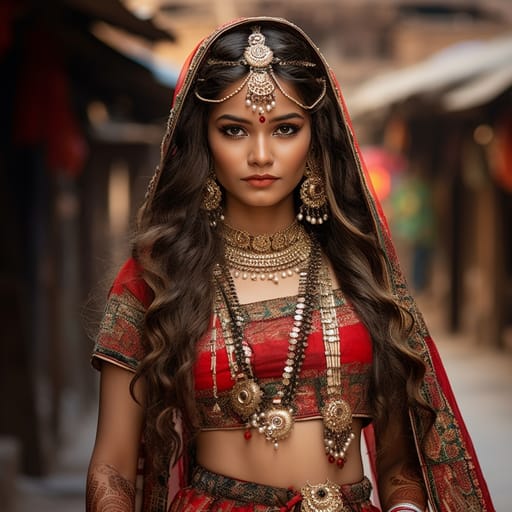
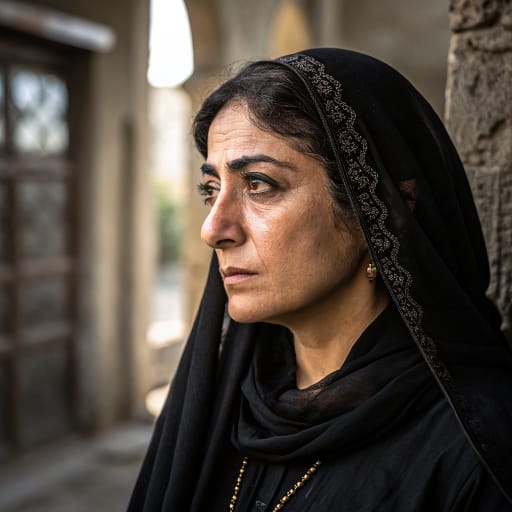
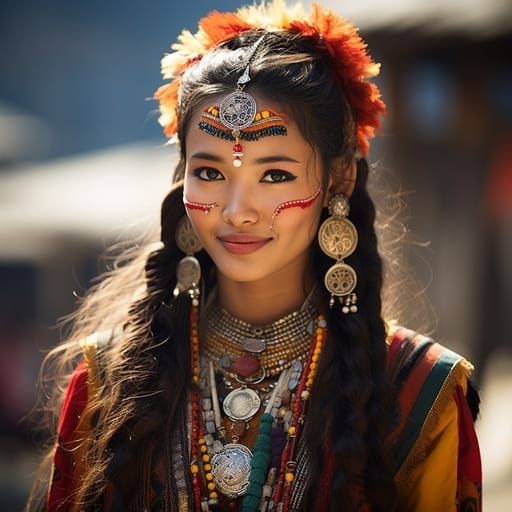
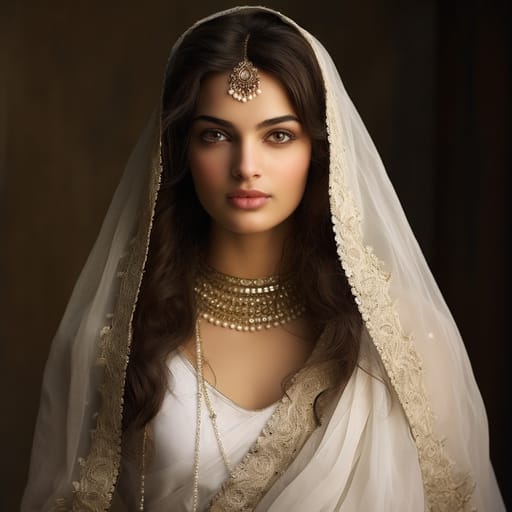
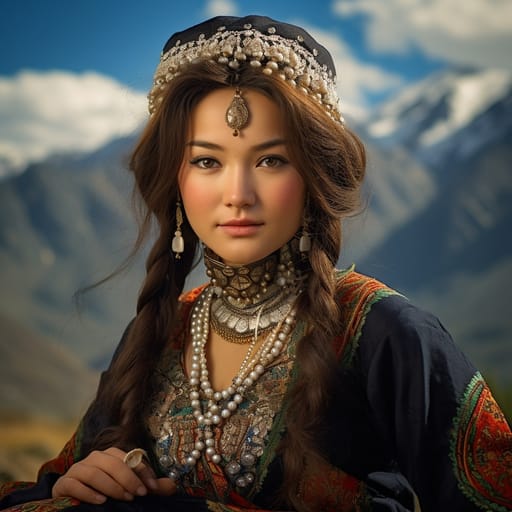
Typical Dhimal Phenotypes
Reference for AI generation: hair, eyes, skin, facial structure, build
Dhimal Body & Anatomy Reference
Per-feature anatomical profile for AI nude generation: Indo-Aryan / Dravidian South Asian phenotype
Dhimal Boobs & Breasts
The typical Dhimal bust is medium-to-large cup, moderate-to-full projection, in line with the wider Indo-Aryan / Dravidian South Asian pattern. Areolas usually fall in the 32-46mm range, with medium-brown to dark-brown areolar pigmentation against the wheatish-to-brown skin tone. Compared with the smaller East Asian bust profile, Dhimal breasts sit forward and are generally full and soft, generally fuller than the East Asian norm. A faithful AI render of Dhimal tits keeps that shape and areola size.
Dhimal Ass & Hips
Butt shape among Dhimal women: medium-to-full, moderate-to-high projection, classic curvy hip profile, over medium-to-wide iliac crests, full gluteal-femoral fat distribution. This follows Indo-Aryan / Dravidian South Asian ancestry and looks quite unlike the slim hip profile of East Asian women. An accurate Dhimal ass in adult AI imagery keeps both the silhouette and the overall build (endomorph-to-mesomorph with fuller hip deposition) instead of a generic average.
Dhimal Vagina & Pussy
Vulvar anatomy among Dhimal women: medium-brown to dark-brown labial pigmentation, fuller labia minora projection. Pubic hair tends to be straight-to-wavy coarse texture, dense distribution, in the usual inverted-triangle pattern. Both follow Indo-Aryan / Dravidian South Asian pigmentation, which is why Dhimal pussy renders should not fall back on a pale, sparse Western template.
Dhimal Dicks & Penis
The Dhimal cock profile, from Indo-Aryan / Dravidian South Asian anthropometric data: regional mean ~13cm erect; moderate girth; medium-brown shaft pigmentation. Pubic hair has a straight-to-wavy coarse texture and forms the usual inverted-V pattern. Whether Dhimal men are circumcised follows religious and cultural practice rather than phenotype.
Dhimal Body, Curves & Build
Build and curves among Dhimal women follow the Indo-Aryan / Dravidian South Asian pattern: endomorph-to-mesomorph with fuller hip deposition, mean adult female BMI 22-25. Proportions matter as much as skin tone, so Dhimal figures should keep their regional height and limb ratios.
Dhimal Skin Tone & Hair Texture
The Dhimal skin range is wheatish to brown (Fitzpatrick III-V), and hair tends to be straight-to-wavy 1A-2B, dense, dark-brown to black. That combination marks the Indo-Aryan / Dravidian South Asian phenotype, and skin tone is the trait AI generators most often get wrong for Dhimal women.
Explore phenotype categories
Structured taxonomy with peer-reviewed scales · 22 anatomical categories
Erotic Poses & Sex Positions
From the pose catalog: 219 named positions with reference skeletons
Frequently asked questions about Dhimal people
Where is the Dhimal homeland?
The Dhimal homeland is Eastern Terai (Jhapa, Morang, Sunsari districts), Nepal; some in India in Southern Asia.
What language do Dhimal people speak?
Dhimal people primarily speak Dhimal (Sino-Tibetan, Dhimalish).
What religion do Dhimal people practice?
The predominant religion among Dhimal people is Animism (nature and territorial deities); Hinduism.






Make your own Dhimal images
Five a day, free, no credits to buy. The studio starts from this group's phenotype data, so you can set body type, pose and style and keep the traits accurate.
Start with Dhimal