No portrait yet
Qaradaghis Erotic
Qaradagh, officially Arasbaran: the highlands south of the Aras River in East Azerbaijan province, Iran, around Ahar, Kaleybar and Varzaqan.
Azerbaijani, Qaradaghi dialect (Turkic, Oghuz branch); Persian (Indo-European, Iranian branch) as the state language
Twelver Shi'a Islam
A regional sub-group of Iranian Azerbaijanis, the Turkic people of northwestern Iran; includes settled villagers and pastoral tribes of Arasbaran.
About Qaradaghis People
Qaradaghis are named for their mountains. Qaradagh, Turkic for black mountain, is the old name of the wooded highlands south of the Aras River in Iran's East Azerbaijan province. The region was officially renamed Arasbaran in the twentieth century. The new name went onto maps and road signs, but the old one stayed with the people. Qaradaghis are Azerbaijanis first and would say so. Within that larger nation, their dialect, their hill villages and the history of this particular stretch of border set them apart.
Here the Aras is more than a river. The treaties that ended the Russo-Persian wars, above all Turkmenchay in 1828, made it an imperial border. Qaradagh stayed with Persia, while Azerbaijani-speaking communities on the far bank passed to Russia, then to the Soviet Union and now to the Republic of Azerbaijan. For most of the Soviet period that line was hard to cross. Ahar, Kaleybar and Varzaqan are the main towns, ringed by villages set among oak forest and steep pasture. The land is now protected as a UNESCO biosphere reserve. Some families still move their flocks between high summer grazing and winter quarters in the lowlands near the river.
They speak the Qaradaghi dialect of Azerbaijani, an Oghuz Turkic language closely related to Turkish and Turkmen. People across the river understand it easily. At home in Iran it lives alongside Persian, the language of school, government and most print. Most Qaradaghis are Twelver Shi'a Muslims. Their faith is most visible during Muharram, when villages and towns hold mourning processions for Ashura. Shrines matter too, among them the tomb of the medieval Sufi master Sheikh Shahab al-Din Ahari, which is still the landmark of Ahar.
Local rule and rebellion run through the region's past. In the eighteenth century Qaradagh was a khanate ruled from Ahar. In Iran's Constitutional Revolution, Sattar Khan, a Qaradagh native, led the defense of Tabriz against royalist forces in 1908 and 1909, while horsemen from some of the region's own tribes fought for the shah. Qaradagh also has its own school within the ashiq tradition, whose bards sing epic tales and love songs to the long-necked saz. Rugs woven in its villages are sold under the Karadagh name.
Related ethnic groups
Groups that share Qaradaghis's homeland, region, language, or religious tradition. These are likely candidates for comparative phenotype reference.
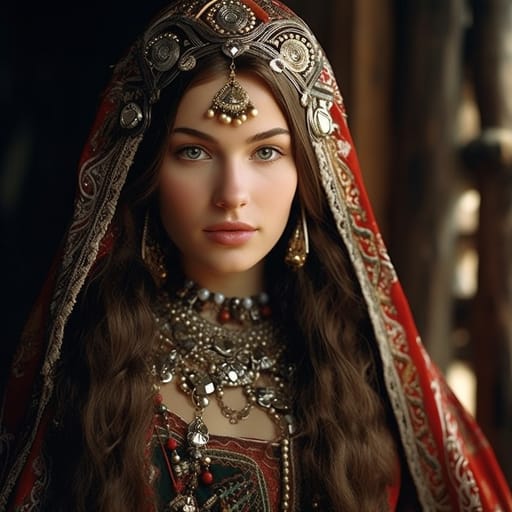
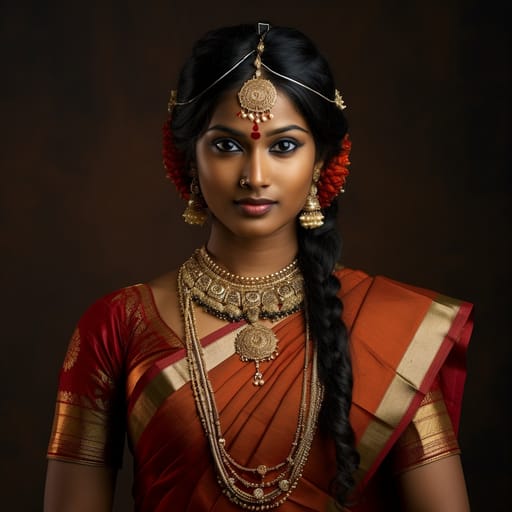
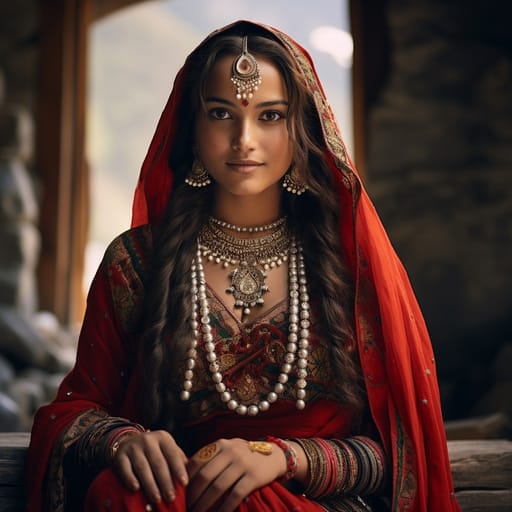
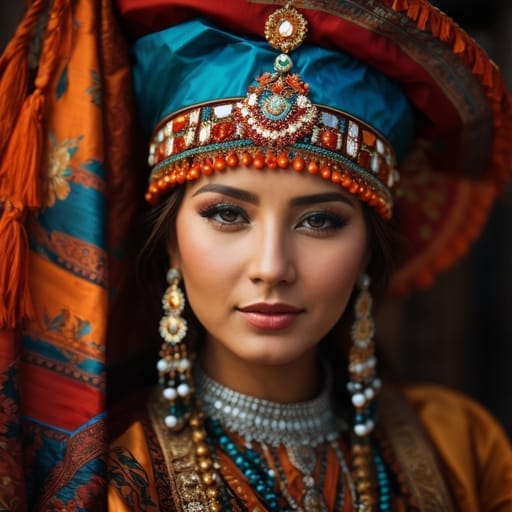
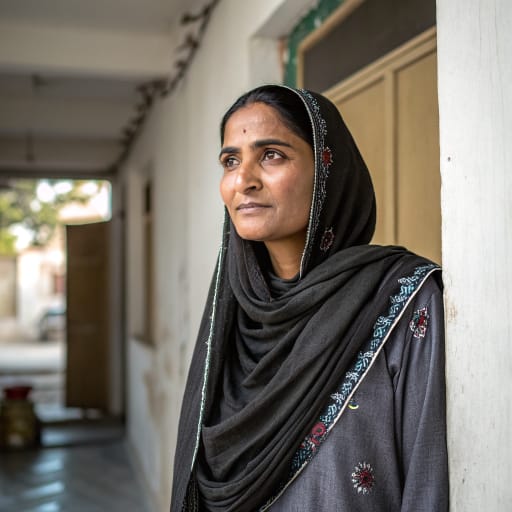
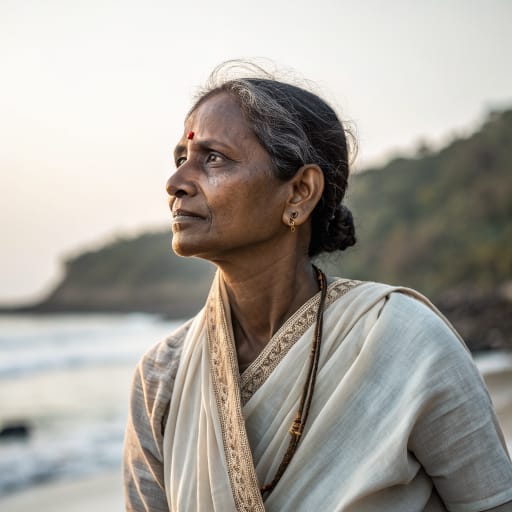
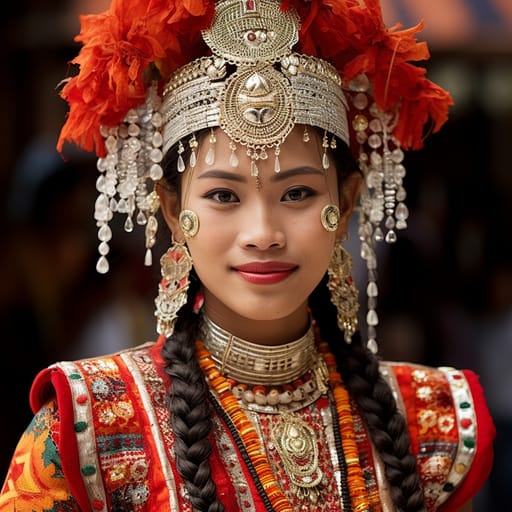
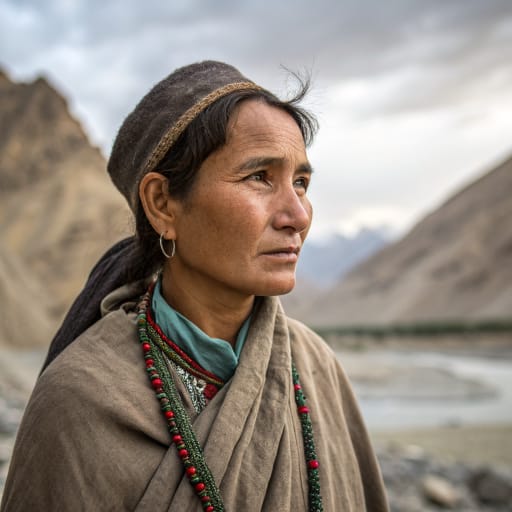
Typical Qaradaghis Phenotypes
Reference for AI generation: hair, eyes, skin, facial structure, build
Explore phenotype categories
Structured taxonomy with peer-reviewed scales · 22 anatomical categories
Erotic Poses & Sex Positions
From the pose catalog: 219 named positions with reference skeletons
Frequently asked questions about Qaradaghis people
Where is the Qaradaghis homeland?
The Qaradaghis homeland is Qaradagh, officially Arasbaran: the highlands south of the Aras River in East Azerbaijan province, Iran, around Ahar, Kaleybar and Varzaqan. in Southern Asia.
What language do Qaradaghis people speak?
Qaradaghis people primarily speak Azerbaijani, Qaradaghi dialect (Turkic, Oghuz branch); Persian (Indo-European, Iranian branch) as the state language.
What religion do Qaradaghis people practice?
The predominant religion among Qaradaghis people is Twelver Shi'a Islam.






Make your own Qaradaghis images
Five a day, free, no credits to buy. The studio starts from this group's phenotype data, so you can set body type, pose and style and keep the traits accurate.
Start with Qaradaghis