No portrait yet
Nasar Erotic
Central and southeastern Afghanistan and western Pakistan; historically moving between Afghan highland summer pastures and winter grounds on the plains around Dera Ismail Khan
Sunni Islam (Hanafi school)
Ghilji (Ghilzai) Pashtun confederation; historically counted among the nomadic Powindah and Kuchi tribes
About Nasar People
The Nasar are a Pashtun tribe whose identity grew out of a route rather than a single valley. For generations their households moved with the seasons. They spent summers on the high pastures of central and southeastern Afghanistan and winters on the warm plains east of the Sulaiman Mountains, in what is now Pakistan, with camels carrying tents, grain and children between the two. By descent they belong to the Ghilji, the large confederation of eastern Afghanistan that also counts the Hotak, Tokhi and Kharoti among its tribes. British officials grouped them with the Powindah, their name for the migrant trading tribes of the frontier. In Afghanistan the broader word is Kuchi, from the Persian for migration. Their language is Pashto, an Eastern Iranian language with Dari spoken to its north and west and Saraiki and Punjabi on the Indus plain to its east. They are Sunni Muslims of the Hanafi school, and they live by Pashtunwali as well: the unwritten code of hospitality, honor, refuge and retaliation that decides how a camp treats guests, rivals and its own. Nomadic families live in the kizhdi, a low black tent of woven goat hair. Kuchi women's dress is among the most elaborate in the region, heavy with embroidery, beads, coins and silver that also serve as a store of family wealth they can carry with them.
A border across the road
That seasonal life was built for a map without hard borders. The Gomal Pass was the traditional gateway, and caravans once brought dried fruit, wool and horses down to Indian markets and came back with cloth, sugar and manufactured goods. The Durand Line of 1893 drew a frontier across the route. Partition in 1947 shut off the markets farther east, and in 1961 Pakistan restricted nomad crossings at the height of its Pashtunistan dispute with Kabul, forcing many families to pick a side. The wars that engulfed Afghanistan from the late 1970s did deeper damage. Herds were lost, refugee camps replaced grazing camps, and many Nasar now live settled lives as farmers and traders in villages and towns on both sides of the border. Some households still migrate. Summer grazing in the central highlands, where Kuchi pastures overlap land farmed by Hazara communities, is still a political fight for herders, Nasar among them.
Related ethnic groups
Groups that share Nasar's homeland, region, language, or religious tradition. These are likely candidates for comparative phenotype reference.
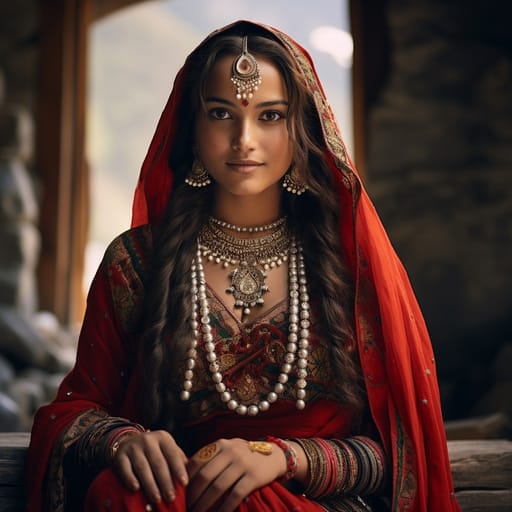
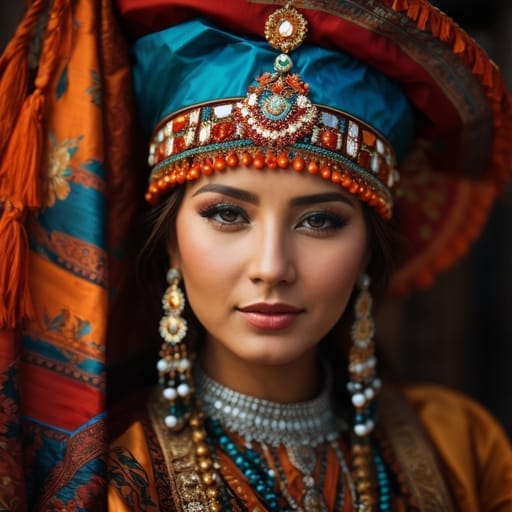
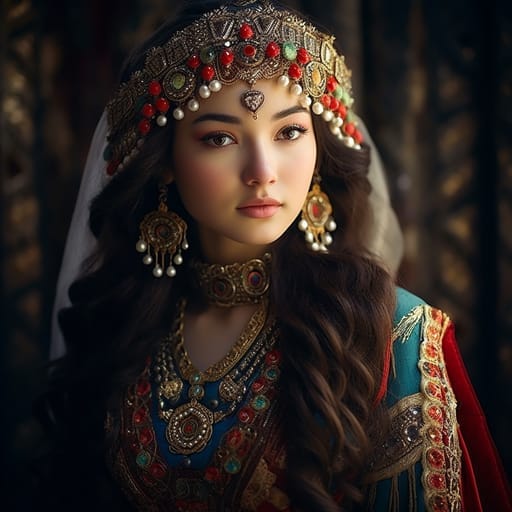
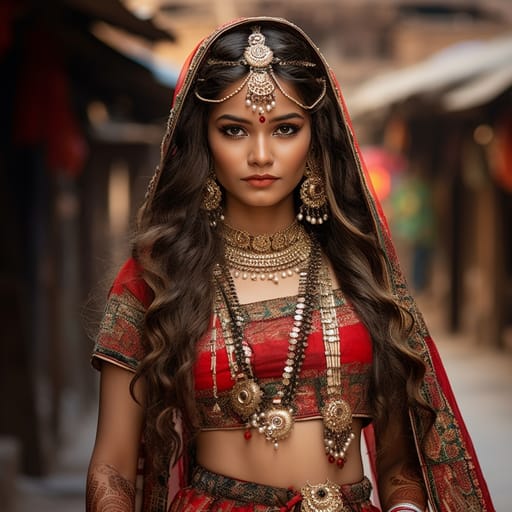
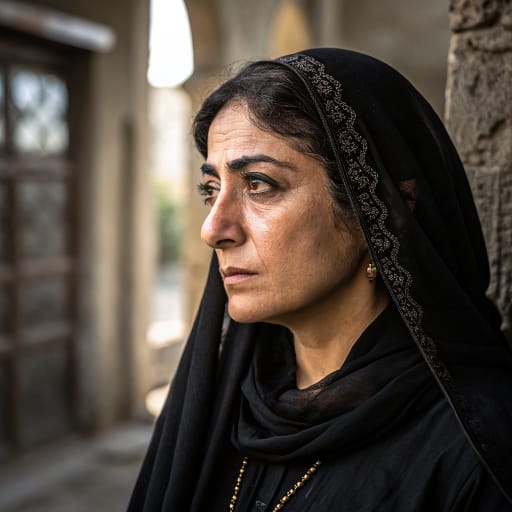
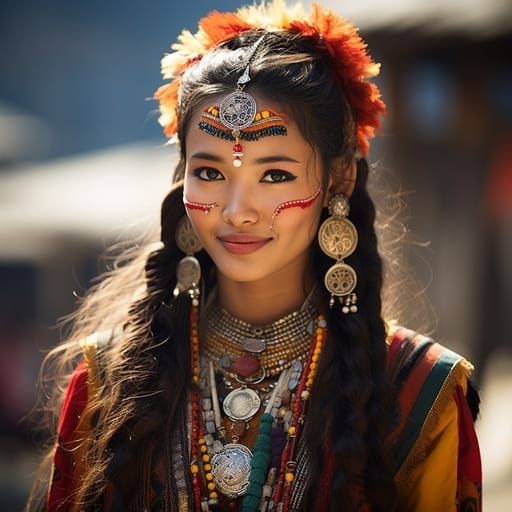
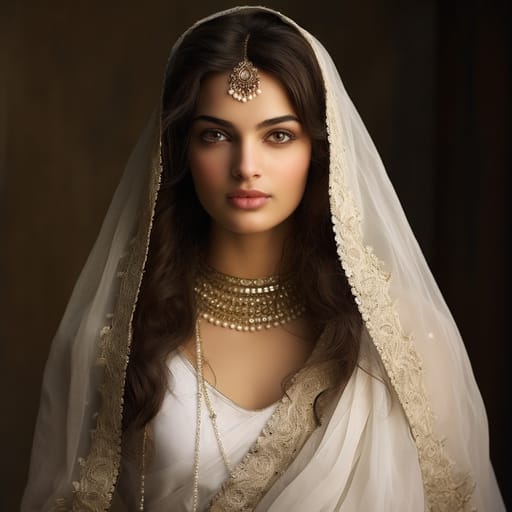
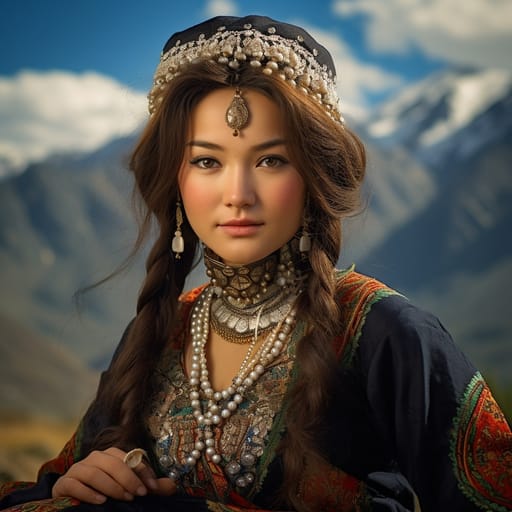
Typical Nasar Phenotypes
Reference for AI generation: hair, eyes, skin, facial structure, build
Explore phenotype categories
Structured taxonomy with peer-reviewed scales · 22 anatomical categories
Erotic Poses & Sex Positions
From the pose catalog: 219 named positions with reference skeletons
Frequently asked questions about Nasar people
Where is the Nasar homeland?
The Nasar homeland is Central and southeastern Afghanistan and western Pakistan; historically moving between Afghan highland summer pastures and winter grounds on the plains around Dera Ismail Khan in Southern Asia.
What language do Nasar people speak?
Nasar people primarily speak Pashto (Indo-European, Eastern Iranian).
What religion do Nasar people practice?
The predominant religion among Nasar people is Sunni Islam (Hanafi school).






Make your own Nasar images
Five a day, free, no credits to buy. The studio starts from this group's phenotype data, so you can set body type, pose and style and keep the traits accurate.
Start with Nasar