No portrait yet
Mandokhel Erotic
Zhob District and neighboring parts of northeastern Balochistan, Pakistan, on the western side of the Sulaiman Mountains
Pashto, southern dialect (Indo-European, Iranian, Eastern Iranian branch); Urdu widely used as a second language
Sunni Islam (Hanafi school)
A Pashtun tribe; traditional genealogy places it in the Ghurghusht (Ghurghakhti) branch alongside the Kakar
About Mandokhel People
The Mandokhel are a Pashtun tribe whose name carries its own family tree. Khel is the Pashto word for a lineage, and the Mandokhel are the people who trace their descent to an ancestor remembered as Mando. That kind of reckoning still does work. In the Zhob country of northeastern Balochistan, Pakistan, knowing a man's tribe and his lineage within it tells you where his family's land lies, which elders speak for him and which quarrels are his to inherit. Traditional Pashtun genealogy places the Mandokhel in the Ghurghusht line, the same broad branch that includes their much larger neighbors, the Kakar. Their home ground is the Zhob valley and the dry hills around it, on the western flank of the Sulaiman Mountains, where Balochistan meets Khyber Pakhtunkhwa and the Afghan border. The British founded the town of Zhob as Fort Sandeman in the late 1880s and ran the valley through paid tribal levies and councils of elders. The town took its current name in 1976. That arrangement made tribesmen answerable for the peace of their own roads and shaped local politics for generations. The jirga is still where land, water and blood disputes are often argued out before any court sees them.
The Mandokhel speak Pashto, an Eastern Iranian language, in the southern form that says Pashto where northern speakers say Pakhto. Balochi and Brahui are spoken farther south and west in the province, Saraiki lies across the mountains to the east, and Urdu is the language of school and government. Religion is Sunni Islam of the Hanafi school, and it sets the pace of ordinary days: Friday prayers, the Ramadan fast, the word of the local mullah. Pashtunwali, the unwritten code of hospitality, sanctuary, honor and revenge, runs alongside it, and the two do not always agree, especially on women's inheritance and the blood feud. Most families have roots in farming and herding. They grow wheat and fruit where water allows and keep sheep and goats where it does not. Hospitality here is an obligation with rules, not a courtesy: a guest is housed and fed first and asked their business afterward. As across Pashtun Balochistan, many younger men now earn a living far from home, and the money they send back pays for houses, weddings and schooling in a district with few jobs of its own.
Related ethnic groups
Groups that share Mandokhel's homeland, region, language, or religious tradition. These are likely candidates for comparative phenotype reference.
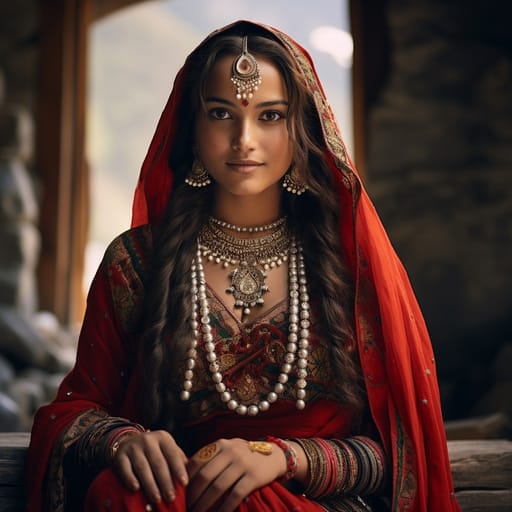
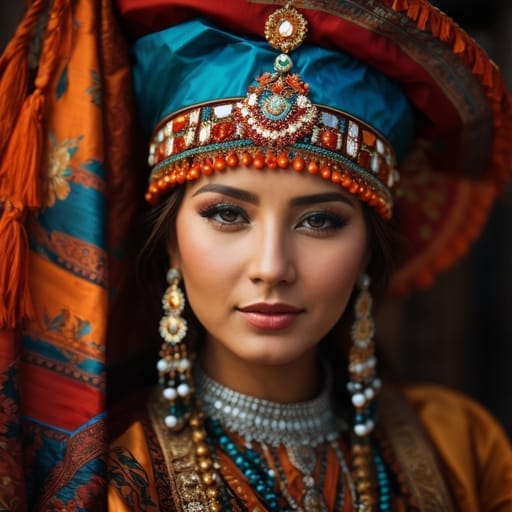
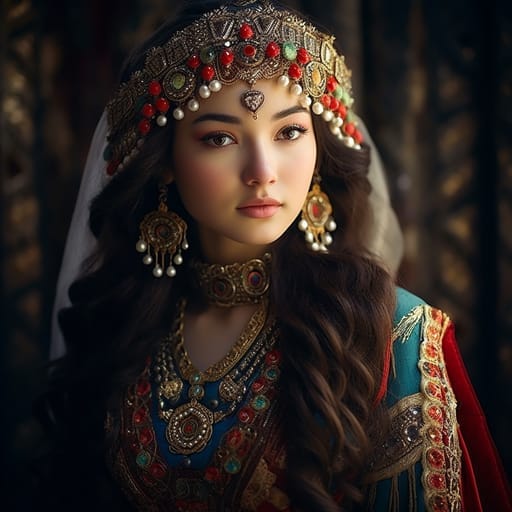
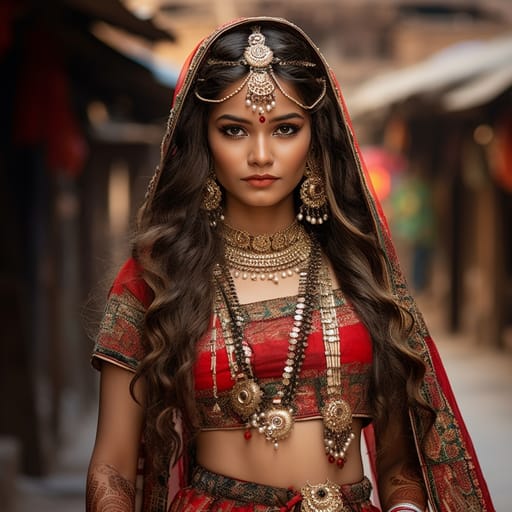
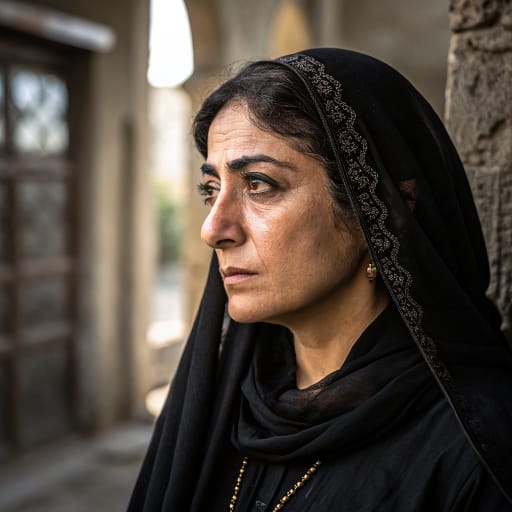
Typical Mandokhel Phenotypes
Reference for AI generation: hair, eyes, skin, facial structure, build
Explore phenotype categories
Structured taxonomy with peer-reviewed scales · 22 anatomical categories
Erotic Poses & Sex Positions
From the pose catalog: 219 named positions with reference skeletons
Frequently asked questions about Mandokhel people
Where is the Mandokhel homeland?
The Mandokhel homeland is Zhob District and neighboring parts of northeastern Balochistan, Pakistan, on the western side of the Sulaiman Mountains in Southern Asia.
What language do Mandokhel people speak?
Mandokhel people primarily speak Pashto, southern dialect (Indo-European, Iranian, Eastern Iranian branch); Urdu widely used as a second language.
What religion do Mandokhel people practice?
The predominant religion among Mandokhel people is Sunni Islam (Hanafi school).






Make your own Mandokhel images
Five a day, free, no credits to buy. The studio starts from this group's phenotype data, so you can set body type, pose and style and keep the traits accurate.
Start with Mandokhel