Help us get this right
Does this portrait look right for Mro?
One tap. It takes a second and it is recorded.
0 say it looks right, 1 says it looks off.
Mro Erotic
Bandarban and the southern Chittagong Hill Tracts of Bangladesh, with related communities in the western hills of Myanmar.
Mru, closely tied to Hkongso (Mruic branch of Sino-Tibetan)
Krama, a Mro religion founded in the 1980s, alongside older animist household practice; Buddhist and Christian minorities
One of the recognized Indigenous peoples of the Chittagong Hill Tracts, divided internally into clans and grouped linguistically with the Anu-Hkongso of Myanmar. Distinct from the similarly named Mro-Khimi of Rakhine State.
About Mro People
The Mro build on ridge tops. Their villages sit high in the hills of Bandarban, in the southern Chittagong Hill Tracts of Bangladesh, houses of bamboo and thatch raised on posts and reached by a notched log leaned against the floor, with jhum fields cut and burned into the slopes below. The siting is deliberate and old. Height means wind, drainage, a defensible approach and a clear view of who is coming up the path, and the Mro have generally preferred all four to the easier ground in the valleys, which has always belonged to somebody stronger.
Their language sits oddly among its neighbors. Mru is Sino-Tibetan, but linguists place it with Hkongso in a small branch of its own rather than filing it under the Kuki-Chin languages spoken on every side of it. It went unwritten for as long as anyone can trace, and the Mro have a story for that: writing was given to them once, and a cow ate it. In the 1980s a Mro man named Menlay founded a new religion among his people, Krama, and supplied it with an alphabet, which makes this one of the few cases anywhere of a script and a faith arriving in the same lifetime from the same hand. Krama now sits alongside older household practice, with Buddhist and Christian minorities among them, and the alphabet is taught in Mro schools.
The ceremony outsiders hear about first is the cattle sacrifice, made to discharge a vow: the animal tied to a carved post, flute played through the night, the village dancing until morning, the meat divided when it is over. What has shaped Mro life more, though, is land. The hill tracts became a separate district under the British in 1860 and were later governed under a regulation meant to keep outsiders from buying in, a protection that thinned steadily after 1947. Then came the Kaptai dam, decades of insurgency, and the 1997 accord that ended the fighting without settling much. In 2020 Mro villagers around Chimbuk marched against a luxury hotel planned on ground they graze and bury in, which is the same argument as always, in newer clothes.
Related ethnic groups
Groups that share Mro's homeland, region, language, or religious tradition. These are likely candidates for comparative phenotype reference.
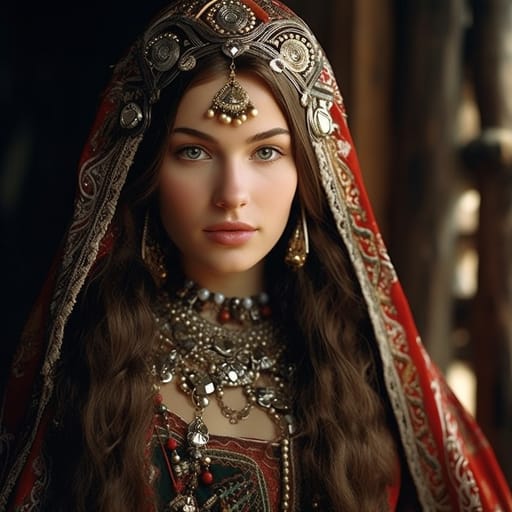
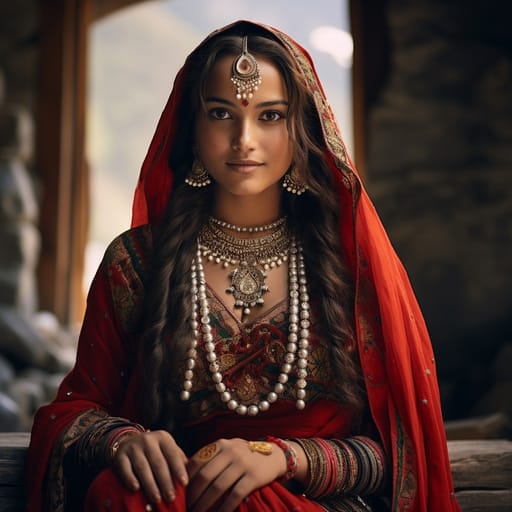
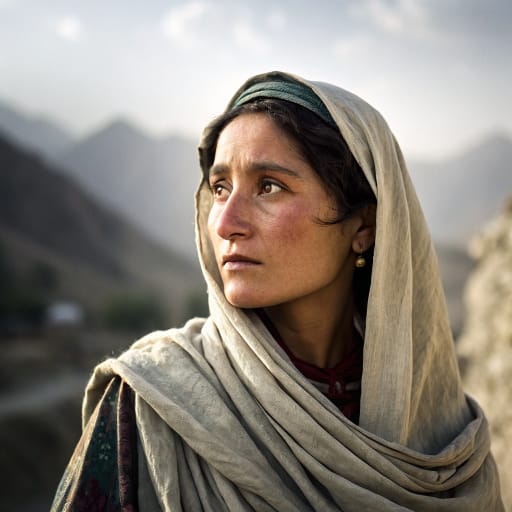
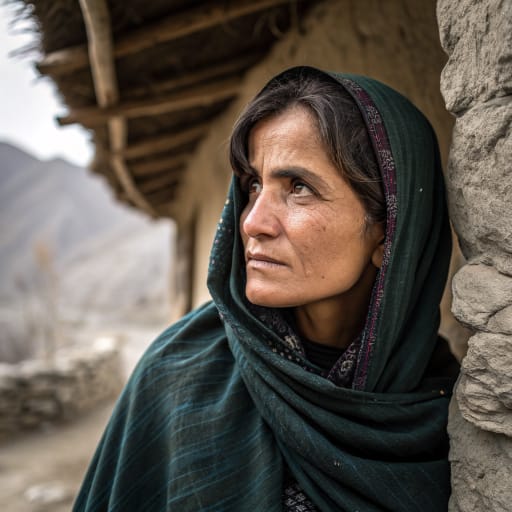
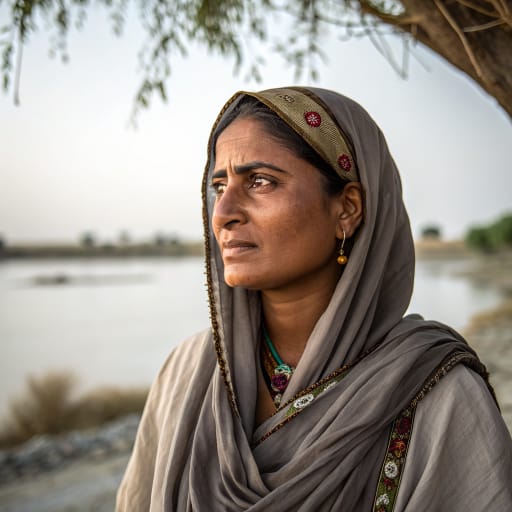
Typical Mro Phenotypes
Reference for AI generation: hair, eyes, skin, facial structure, build
Explore phenotype categories
Structured taxonomy with peer-reviewed scales · 22 anatomical categories
Erotic Poses & Sex Positions
From the pose catalog: 219 named positions with reference skeletons
Frequently asked questions about Mro people
Where is the Mro homeland?
The Mro homeland is Bandarban and the southern Chittagong Hill Tracts of Bangladesh, with related communities in the western hills of Myanmar. in Southern Asia.
What language do Mro people speak?
Mro people primarily speak Mru, closely tied to Hkongso (Mruic branch of Sino-Tibetan).
What religion do Mro people practice?
The predominant religion among Mro people is Krama, a Mro religion founded in the 1980s, alongside older animist household practice; Buddhist and Christian minorities.






Make your own Mro images
Five a day, free, no credits to buy. The studio starts from this group's phenotype data, so you can set body type, pose and style and keep the traits accurate.
Start with Mro