No portrait yet
Zou Erotic
Southern hills of Manipur, India, centered on Churachandpur district, with related communities across the border in Chin State, Myanmar
Predominantly Protestant Christian, with older animist traditions echoed in festivals and custom
One of the Zo (Kuki-Chin-Mizo) peoples, closely related to the Paite, Tedim Chin and Thadou; a recognized Scheduled Tribe in Manipur
About Zou People
The Zou take their name from Zo, an ancestral word that many peoples of the Chin, Kuki and Mizo hills see as a shared root. Zou speakers tend to treat that with some pride: theirs is the name kept closest to the original. Most live in the southern hills of Manipur, in and around Churachandpur district, with related villages across the border in Myanmar's Chin State. The border came long after the villages did, and for many families it runs through a network of relatives rather than between two peoples. India recognizes the Zou as a Scheduled Tribe, so the name carries legal weight as well as history.
Their language, also called Zou, belongs to the Kuki-Chin branch of Sino-Tibetan and is written in the Roman alphabet. It is close to Paite and Tedim, close enough that speakers follow a good deal of each other's speech. Because the languages are so near, small differences in words and pronunciation become quick markers of who is who. Life in the hills was built on shifting cultivation on steep slopes, villages led by hereditary chiefs, and clan ties that still count at weddings, funerals and in questions of family obligation.
The old religion dealt with the spirits of the forest, the household and sickness through sacrifice and the work of village priests. Christian missions reached the Zou in the twentieth century, and today the community is overwhelmingly Protestant. Church choirs, fellowships and Sunday observance now shape the week as firmly as the farming calendar once did. Older forms live on in new shapes: Khuado, the old post-harvest festival, is now held as a public celebration of being Zou, with song, dance and handwoven cloth.
Since the late twentieth century, names in Churachandpur have carried political weight. Federations and armed groups have argued over whether Kuki, Zomi or Zo should be the name that gathers these related peoples, and the Zou have kept a distinct place within that argument. The violence that tore through Manipur in 2023 forced questions of land, border and belonging back onto the Zou and their hill neighbors, and those questions are still open.
Related ethnic groups
Groups that share Zou's homeland, region, language, or religious tradition. These are likely candidates for comparative phenotype reference.


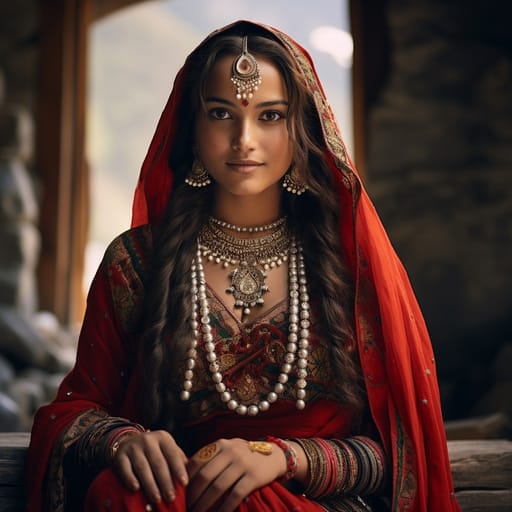
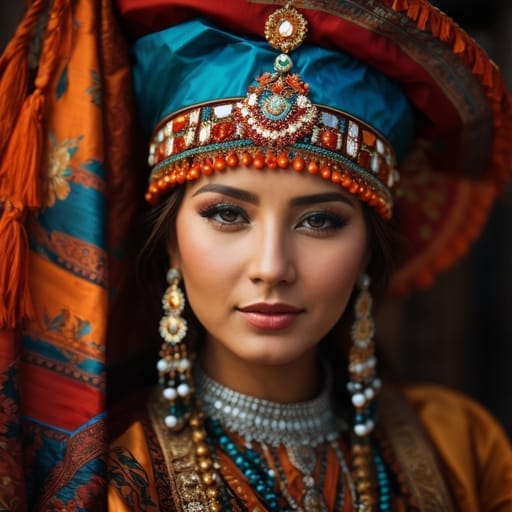
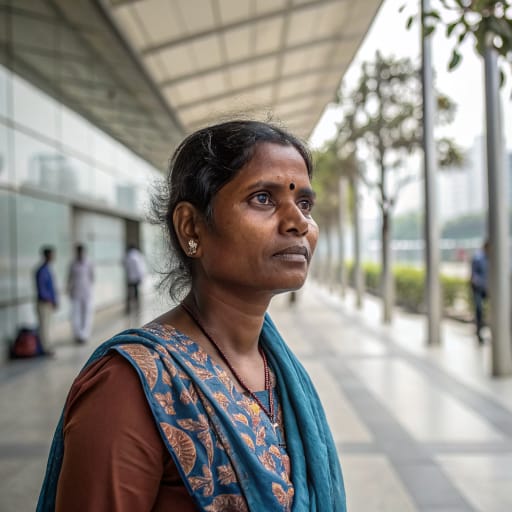
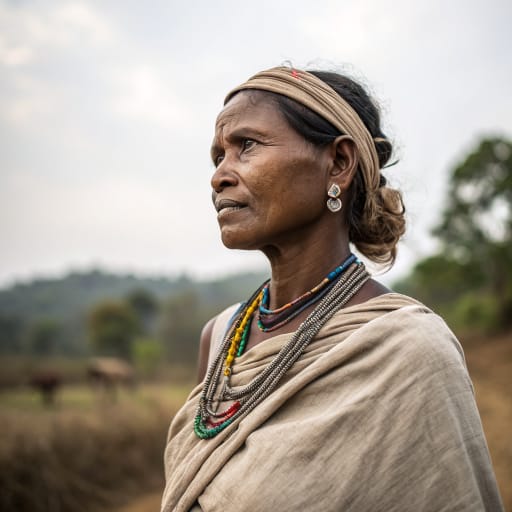
Typical Zou Phenotypes
Reference for AI generation: hair, eyes, skin, facial structure, build
Explore phenotype categories
Structured taxonomy with peer-reviewed scales · 22 anatomical categories
Erotic Poses & Sex Positions
From the pose catalog: 219 named positions with reference skeletons
Frequently asked questions about Zou people
Where is the Zou homeland?
The Zou homeland is Southern hills of Manipur, India, centered on Churachandpur district, with related communities across the border in Chin State, Myanmar in Southern Asia.
What language do Zou people speak?
Zou people primarily speak Zou (Sino-Tibetan, Kuki-Chin branch).
What religion do Zou people practice?
The predominant religion among Zou people is Predominantly Protestant Christian, with older animist traditions echoed in festivals and custom.






Make your own Zou images
Five a day, free, no credits to buy. The studio starts from this group's phenotype data, so you can set body type, pose and style and keep the traits accurate.
Start with Zou