Help us get this right
Does this portrait look right for Bugti?
Nobody has judged this one yet. You would be the first.
Bugti Erotic
Dera Bugti District in eastern Balochistan, Pakistan, with sizable communities in upper Sindh and southwestern Punjab
Balochi, mainly Eastern dialects (Indo-European, Iranian); Sindhi and Saraiki also common among those living in the plains
Sunni Islam
A Baloch tribe claiming Rind descent; clans include the Rahija (chiefly clan), Masuri, Kalpar and Shambani
About Bugti People
The Bugti are a Baloch tribe, and in Balochistan a tribe is still a working institution, not a heritage label. Belonging passes through the father's line. Loyalty runs from household to clan to a hereditary chief, the Nawab or tumandar, whose seat is the town of Dera Bugti. Their country is a dry, broken stretch of limestone hills at the southern end of the Sulaiman range, where the highlands drop toward the plains of Sindh and Punjab. The Marri hold the hills to the north, and the two tribes have moved between feud and alliance for generations. Bugtis trace their ancestry to the Rind, one of the founding lineages in Baloch tradition. The tribe is itself a federation of clans: the Rahija, the chiefs' clan, along with the Masuri, Kalpar, Shambani and others. Rivalries among these clans have shaped Bugti politics as much as any outside power.
Their home language is Balochi, a northwestern Iranian language. Its eastern dialects are the ones spoken in the Bugti and Marri hills, and families living in upper Sindh and southern Punjab often speak Sindhi or Saraiki too. Bugtis are Sunni Muslims, but Baloch custom governs daily conduct just as firmly: the obligation to feed a guest, the duty to shelter anyone who asks for refuge, and an honor code under which a single killing can start a feud that lasts decades. Disputes go to a jirga of elders more readily than to a court. Trial by ordeal, in which an accused man walked over burning coals to prove his innocence, still had defenders among tribal leaders within living memory.
Two turning points shape the modern story. In 1845 a British force under Charles Napier marched into the Bugti hills to stop raids on the Sindh frontier, and colonial rule afterward worked through the chiefs rather than around them. Then in 1952 natural gas was found at Sui, in the middle of Bugti land, and for decades it fueled much of Pakistan. Disputes over royalties, jobs and control of the land turned into open confrontation with the state. That conflict peaked in 2006, when Nawab Akbar Khan Bugti, a former governor and chief minister of Balochistan, was killed in a military operation at age seventy-nine. Unrest spread across the province, thousands of Bugtis were displaced, and his grandson Brahamdagh Bugti went on to lead a nationalist party from exile. Many Bugtis still say the gas that left their district brought little back to it.
Related ethnic groups
Groups that share Bugti's homeland, region, language, or religious tradition. These are likely candidates for comparative phenotype reference.
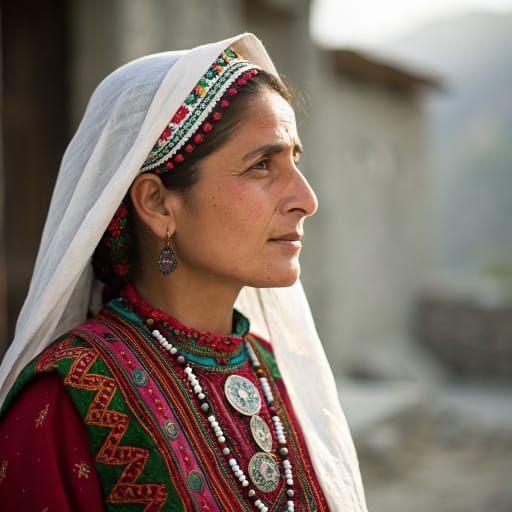
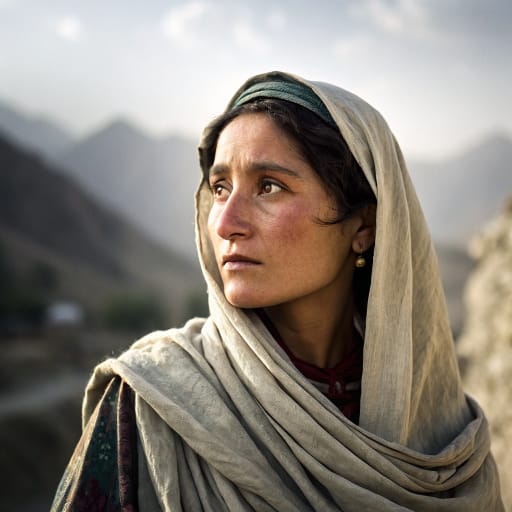
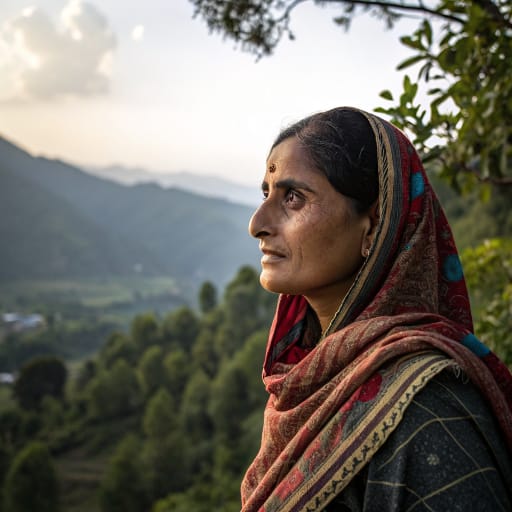
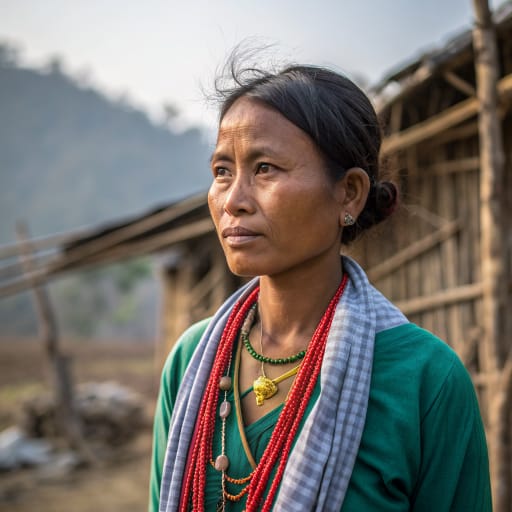
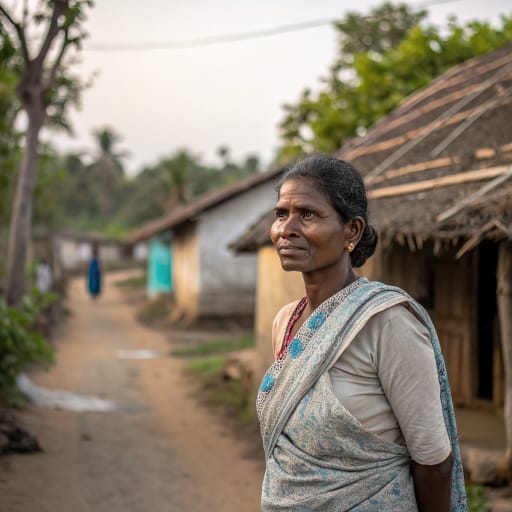
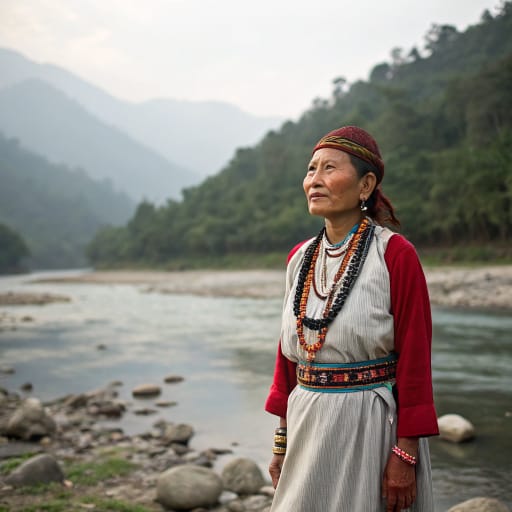
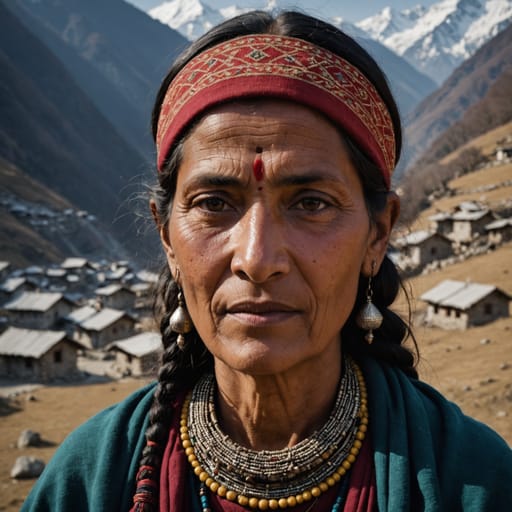
Typical Bugti Phenotypes
Reference for AI generation: hair, eyes, skin, facial structure, build
Explore phenotype categories
Structured taxonomy with peer-reviewed scales · 22 anatomical categories
Erotic Poses & Sex Positions
From the pose catalog: 219 named positions with reference skeletons
Frequently asked questions about Bugti people
Where is the Bugti homeland?
The Bugti homeland is Dera Bugti District in eastern Balochistan, Pakistan, with sizable communities in upper Sindh and southwestern Punjab in Southern Asia.
What language do Bugti people speak?
Bugti people primarily speak Balochi, mainly Eastern dialects (Indo-European, Iranian); Sindhi and Saraiki also common among those living in the plains.
What religion do Bugti people practice?
The predominant religion among Bugti people is Sunni Islam.






Make your own Bugti images
Five a day, free, no credits to buy. The studio starts from this group's phenotype data, so you can set body type, pose and style and keep the traits accurate.
Start with Bugti