Help us get this right
Does this portrait look right for Rongpa?
Nobody has judged this one yet. You would be the first.
Rongpa Erotic
The Mana and Niti valleys of Chamoli district, Uttarakhand, India, with winter settlements lower in the district
Rongpo (Sino-Tibetan, West Himalayish); Garhwali and Hindi widely spoken
Hinduism, with strong worship of village deities and the regional goddess Nanda Devi
Marchha (Mana valley) and Tolchha (Niti valley); part of the wider Bhotiya peoples of Uttarakhand
About Rongpa People
The Rongpa are the Bhotiya of Chamoli district in Uttarakhand, the people of two high valleys that run up to the Tibetan border. Their villages sit along the upper Alaknanda around Mana, just above Badrinath, and along the Dhauliganga toward Niti. People here have always looked north across the passes as much as south to the plains. The name draws on the Tibetan rong, a deep valley, which fairly describes where they live. Two communities share the name: the Marchha of the Mana valley and the Tolchha of the Niti valley. They are close in history and livelihood, but each has its own villages and its own sense of who belongs. Their ancestral language, Rongpo, is part of the West Himalayish branch of Sino-Tibetan, the same branch as the languages of the Bhotiya communities farther east in Pithoragarh. Rongpo is under real pressure. Garhwali and Hindi are the languages of school, market and government, and many younger Rongpa grow up speaking them at home too.
For centuries their year followed the snow line. Families spent summer in the high villages, above 3,000 meters, growing buckwheat, amaranth and potatoes, and spent winter in lower settlements down the valleys. Summer was also trading season. Sheep and goats carried grain over the Mana and Niti passes and came back loaded with salt, borax and wool from western Tibet. That trade built Rongpa wealth and standing until the 1962 war between India and China closed the border and ended it. Recognition as a Scheduled Tribe came in 1967, and since then salaried work, tourism and the Badrinath pilgrimage have filled much of the gap. The seasonal move has outlasted the caravans: Mana still empties when the snow comes and fills again in spring. Religious life is Hindu and very local. Village deities and the regional goddess Nanda Devi count for as much as the famous temple down the road. Wool is still the signature craft. Women weave heavy blankets, shawls and rugs on home looms, and much of that work now sells to the pilgrims and trekkers passing through.
Related ethnic groups
Groups that share Rongpa's homeland, region, language, or religious tradition. These are likely candidates for comparative phenotype reference.
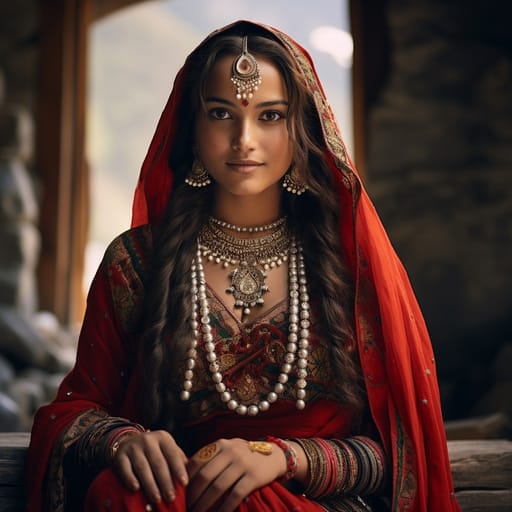
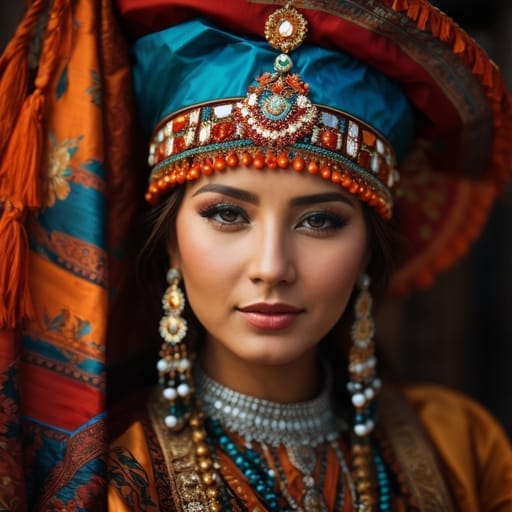
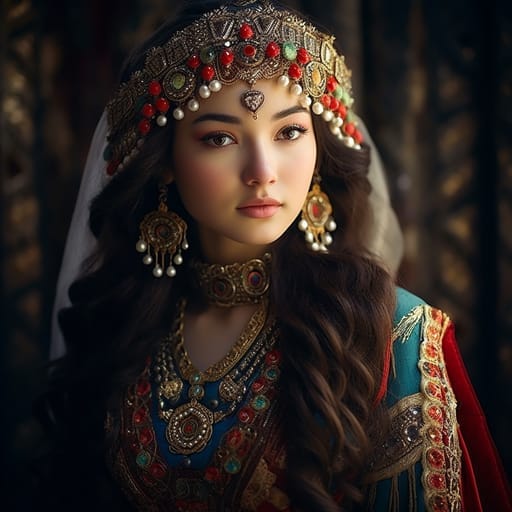
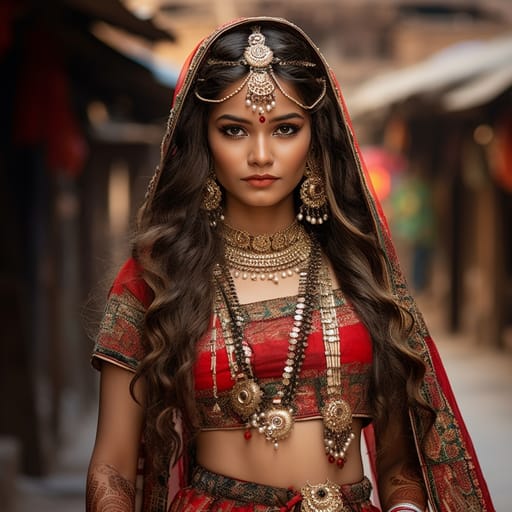
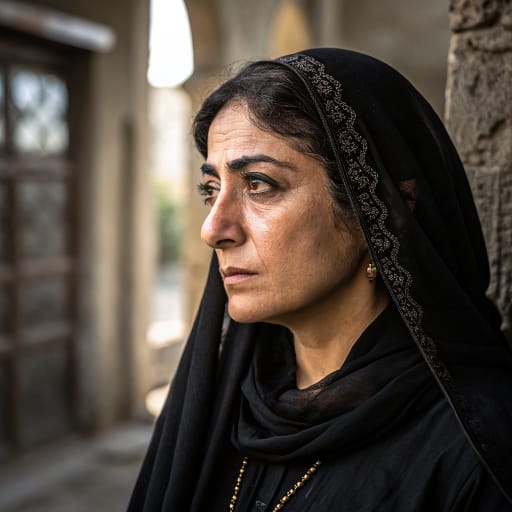
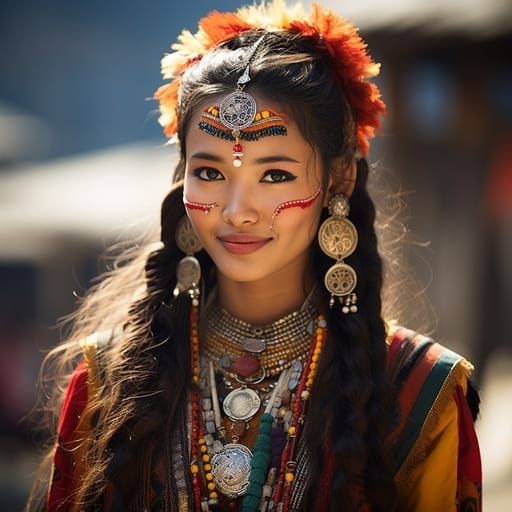
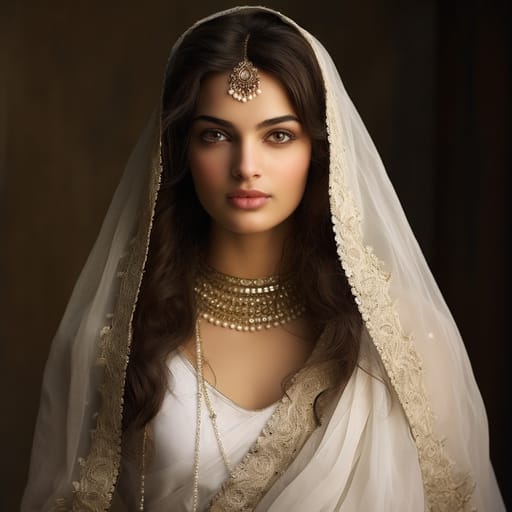
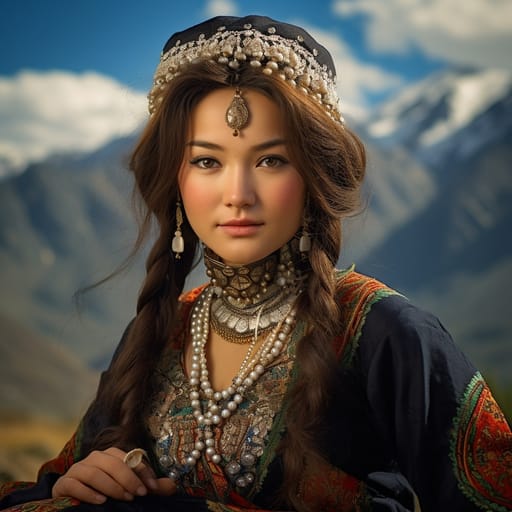
Typical Rongpa Phenotypes
Reference for AI generation: hair, eyes, skin, facial structure, build
Explore phenotype categories
Structured taxonomy with peer-reviewed scales · 22 anatomical categories
Erotic Poses & Sex Positions
From the pose catalog: 219 named positions with reference skeletons
Frequently asked questions about Rongpa people
Where is the Rongpa homeland?
The Rongpa homeland is The Mana and Niti valleys of Chamoli district, Uttarakhand, India, with winter settlements lower in the district in Southern Asia.
What language do Rongpa people speak?
Rongpa people primarily speak Rongpo (Sino-Tibetan, West Himalayish); Garhwali and Hindi widely spoken.
What religion do Rongpa people practice?
The predominant religion among Rongpa people is Hinduism, with strong worship of village deities and the regional goddess Nanda Devi.






Make your own Rongpa images
Five a day, free, no credits to buy. The studio starts from this group's phenotype data, so you can set body type, pose and style and keep the traits accurate.
Start with Rongpa