Help us get this right
Does this portrait look right for Cochin Jews?
Nobody has judged this one yet. You would be the first.
Cochin Jews Erotic
Kerala, India: historically Kodungallur (Cranganore) and Cochin (Kochi), including Mattancherry, Ernakulam, Parur, Chendamangalam and Mala; today mainly Israel
Judeo-Malayalam and Malayalam (Dravidian); Hebrew (Semitic) for prayer, and in Israel for daily life
Judaism, traditionally observant, with its own local prayer customs sometimes called the Shingli rite
Malabari Jews (the older community); Paradesi Jews (later arrivals from Spain and Portugal, the Netherlands and the Middle East); Meshuchrarim (descendants of freed slaves and converts); one of India's Jewish communities
About Cochin Jews People
For about a thousand years, the Jews of the Kerala coast had something rare in Jewish history: rulers who protected them instead of turning on them. They spoke Malayalam like their Hindu, Muslim and Christian neighbors. They traded in the pepper that drew ships to the Malabar Coast. They also kept the Sabbath, the dietary laws and the Hebrew prayers that set them apart as a people of their own. Community tradition says they first came with the trading ships of King Solomon. The written record is firmer from around the year 1000, when a Chera king had copper plates engraved that gave a Jewish leader named Joseph Rabban trade rights and privileges his heirs would keep.
Their first center was Cranganore, now Kodungallur, near the mouth of the Periyar River. As Cochin became the main port and the fighting of the early 1500s broke up the old settlement, families moved there, and the raja gave them land beside his palace in Mattancherry. People still call the neighborhood Jew Town. Its Paradesi Synagogue, built in 1568, has a floor of hand-painted blue-and-white Chinese tiles. Portuguese rule was hard on the community. After the Dutch took Cochin in 1663, life got easier and ties opened with the Jews of Amsterdam.
Inside the community, the divisions ran deep. The Malabari Jews, the older population, kept several synagogues in Cochin and nearby towns. The Paradesi, a name meaning foreigners, came from the sixteenth century on from Spain and Portugal, the Netherlands and the Middle East, and they kept to themselves. A third group, the Meshuchrarim, were descendants of freed slaves and converts. For generations the Paradesi Synagogue kept them from full membership. In the twentieth century A. B. Salem, a Meshuchrar lawyer, used Gandhi's methods of nonviolent protest to win them equal standing.
Home life mixed Kerala habits with Jewish law. Cooks used coconut milk in meat dishes where dairy would break kosher rules. Women built up a large body of songs in Judeo-Malayalam, which is Malayalam mixed with Hebrew words, and sang them at weddings and holidays. Scholars have since recorded and studied these songs.
After Israel was founded, almost the whole community moved there, mostly in the 1950s, and settled in farming villages such as Nevatim in the Negev. Only a handful of Jews still live in Kerala. The inside of one Cochin synagogue has been rebuilt at the Israel Museum in Jerusalem, and the synagogue in Mattancherry still welcomes a steady stream of visitors.
Related ethnic groups
Groups that share Cochin Jews's homeland, region, language, or religious tradition. These are likely candidates for comparative phenotype reference.
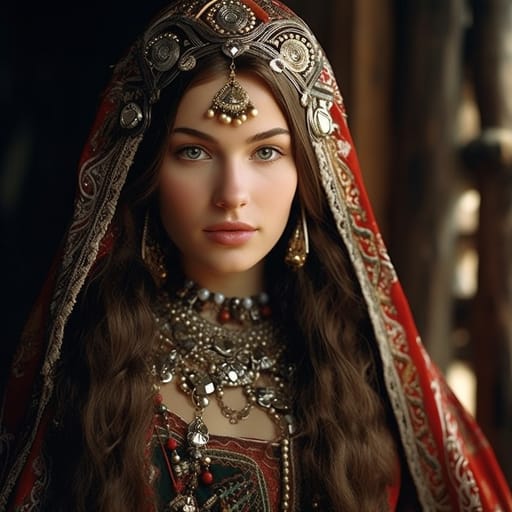
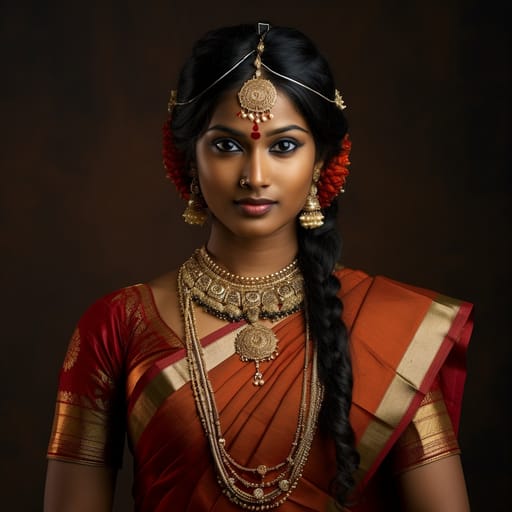
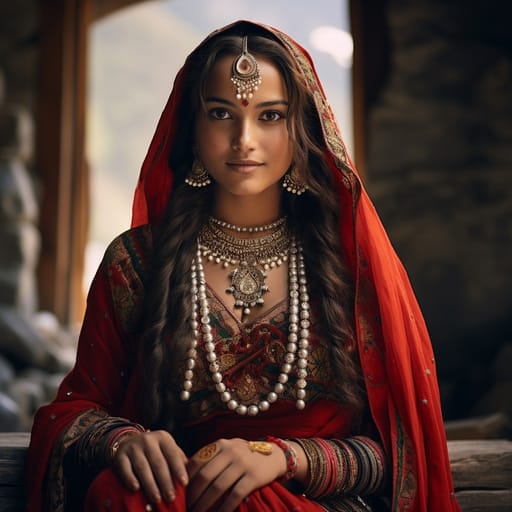
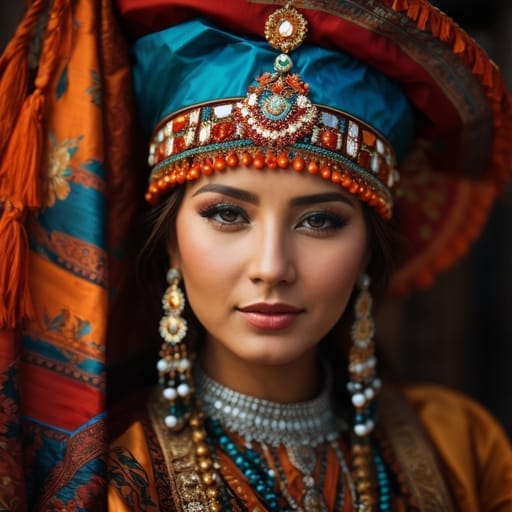
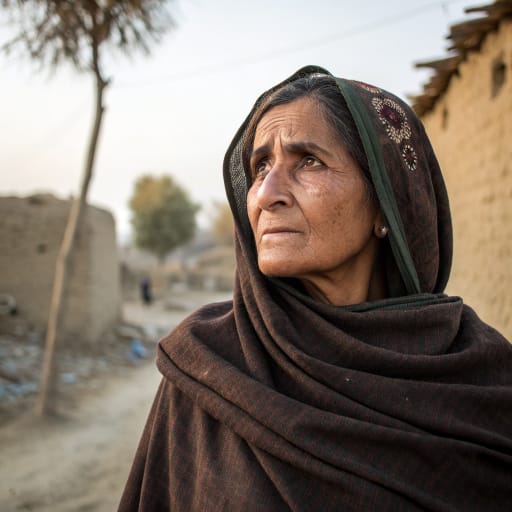
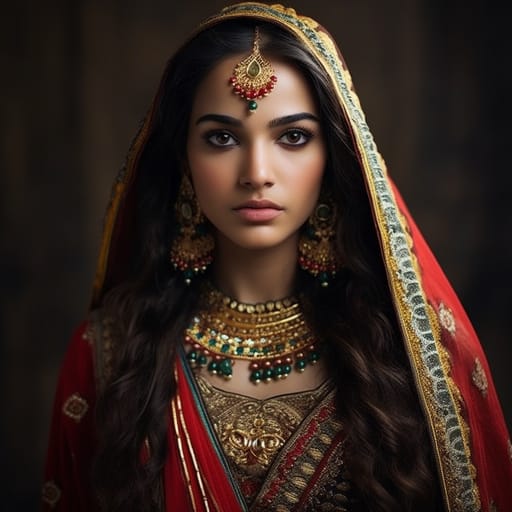
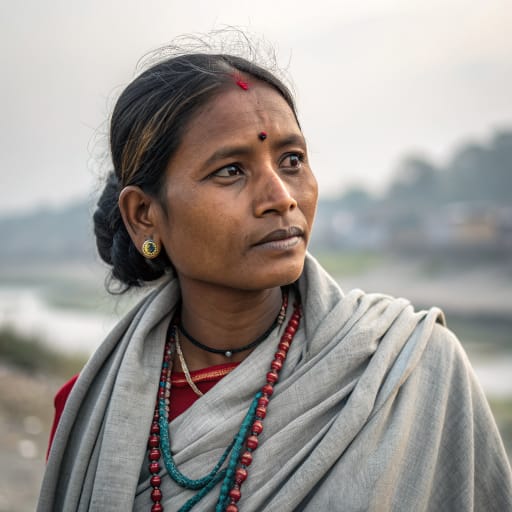
Typical Cochin Jews Phenotypes
Reference for AI generation: hair, eyes, skin, facial structure, build
Explore phenotype categories
Structured taxonomy with peer-reviewed scales · 22 anatomical categories
Erotic Poses & Sex Positions
From the pose catalog: 219 named positions with reference skeletons
Frequently asked questions about Cochin Jews people
Where is the Cochin Jews homeland?
The Cochin Jews homeland is Kerala, India: historically Kodungallur (Cranganore) and Cochin (Kochi), including Mattancherry, Ernakulam, Parur, Chendamangalam and Mala; today mainly Israel in Southern Asia.
What language do Cochin Jews people speak?
Cochin Jews people primarily speak Judeo-Malayalam and Malayalam (Dravidian); Hebrew (Semitic) for prayer, and in Israel for daily life.
What religion do Cochin Jews people practice?
The predominant religion among Cochin Jews people is Judaism, traditionally observant, with its own local prayer customs sometimes called the Shingli rite.






Make your own Cochin Jews images
Five a day, free, no credits to buy. The studio starts from this group's phenotype data, so you can set body type, pose and style and keep the traits accurate.
Start with Cochin Jews