Help us get this right
Does this portrait look right for Bettani?
Nobody has judged this one yet. You would be the first.
Bettani Erotic
Eastern and southern Afghanistan (Ghazni, Paktika, Zabul, Logar) and Pakistan: Tank, Lakki Marwat and Dera Ismail Khan in Khyber Pakhtunkhwa, Mianwali in Punjab. Older settler lineages in northern India.
Pashto (Eastern Iranian, Indo-European) in Ghilji, Marwat and other dialects; Saraiki and Punjabi among many Niazi; Urdu and Hindi among lineages settled in India.
Sunni Islam, Hanafi school, practiced alongside the Pashtunwali code.
One of the four Pashtun genealogical branches, with Sarbani, Gharghashti and Karlani. Includes the Ghilji (Hotak, Sulaiman Khel, Kharoti, Ahmadzai and others), Lodi, Sur, Niazi, Lohani, Marwat and the Bhittani tribe proper.
About Bettani People
Bettani is less a tribe than a line of descent. In the genealogy Pashtuns use to sort themselves, four great branches descend from the founding ancestor Qais Abdur Rashid, and Bet, remembered as Shaykh Bet or Bet Nika, heads this one. The others are the Sarbani, Gharghashti and Karlani. Membership rests on a claimed bloodline rather than on territory or dialect, and that bloodline takes in some of the largest Pashtun tribes: the Ghilji of eastern and southern Afghanistan, the Lodi and Sur, the Niazi, the Marwat and the wider Lohani cluster, and the small Bhittani tribe proper, which holds the hills between Tank and the Waziristan border in Pakistan.
Tradition routes the Ghilji and Lodi through Bet's daughter, Bibi Mato, and her marriage to Shah Hussain, a prince of Ghor. Historians tend to read the story as a memory of the Khalaj, an older people of the Ghazni region, often described as Turkic, absorbed into Pashtun society centuries ago. Either way the genealogy does real work. It tells a man whom he may call cousin, which matters in a society run by Pashtunwali, the code of honor, hospitality, refuge and revenge that operates alongside Sunni Islam of the Hanafi school.
The historical record is outsized. Lodi sultans ruled Delhi from 1451 to 1526. Sher Shah Suri drove the Mughal emperor Humayun out of India in 1540 and rebuilt the Grand Trunk Road. In 1709 the Hotak Ghilji under Mirwais threw off Safavid rule at Kandahar, and in 1722 his son Mahmud took Isfahan. Durrani kings later shut the Ghilji out of power, and the rivalry between the two confederacies has shaped Afghan politics ever since. The communist leaders Taraki, Amin and Najibullah were Ghilji, as were the Taliban founder Mullah Omar and President Ashraf Ghani. Imran Khan, Pakistan's former prime minister, is a Niazi.
Pashto, an Eastern Iranian language, is the mother tongue across most of the group, from the Ghilji country around Ghazni and Paktika to Lakki Marwat, where the Marwat keep a dialect of their own. Many Niazi around Mianwali in Punjab now speak Saraiki or Punjabi, and descendants of Lodi and Sur settlers in India have spoken Hindustani for generations while keeping the Pathan name. A large share of Afghanistan's Kuchi nomads are Ghilji, and tribes such as the Sulaiman Khel, Kharoti, Nasar and Lohani were the powindahs, caravan traders who wintered on the Indus plains and summered in the Afghan highlands until hardened borders ended the circuit. A short Pashto prayer attributed to Bet Nika is often cited as the oldest poem in the language, though the manuscript that preserves it, the Pata Khazana, is widely doubted by scholars.
Related ethnic groups
Groups that share Bettani's homeland, region, language, or religious tradition. These are likely candidates for comparative phenotype reference.
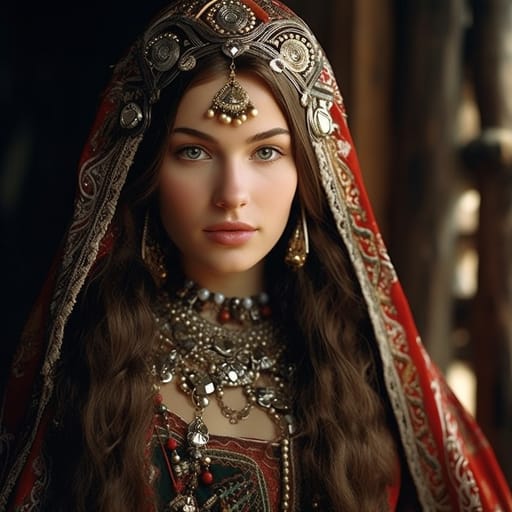
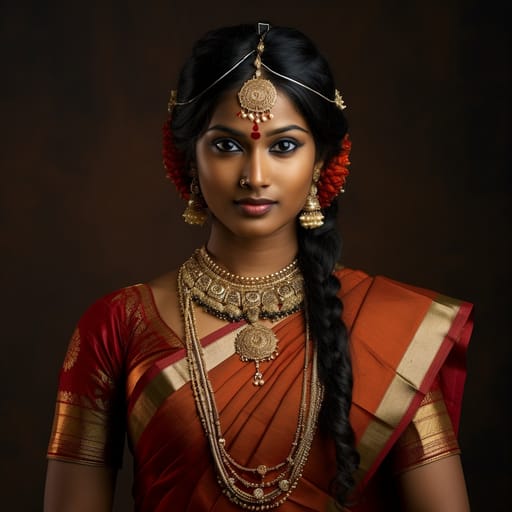
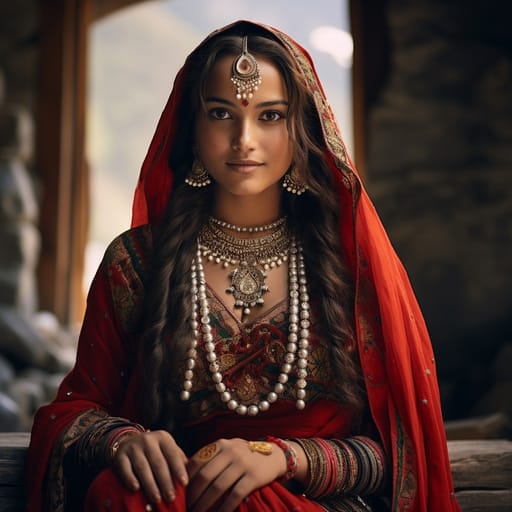
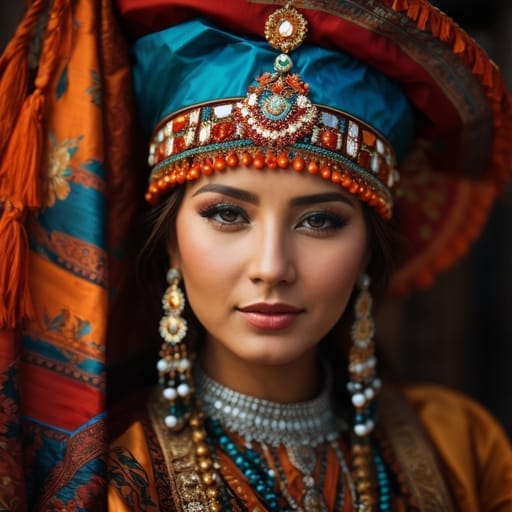
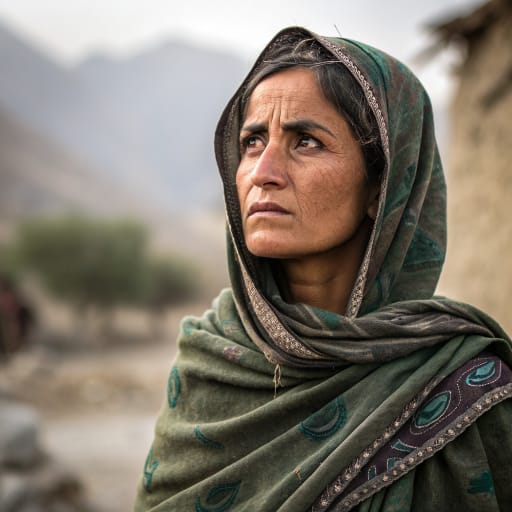
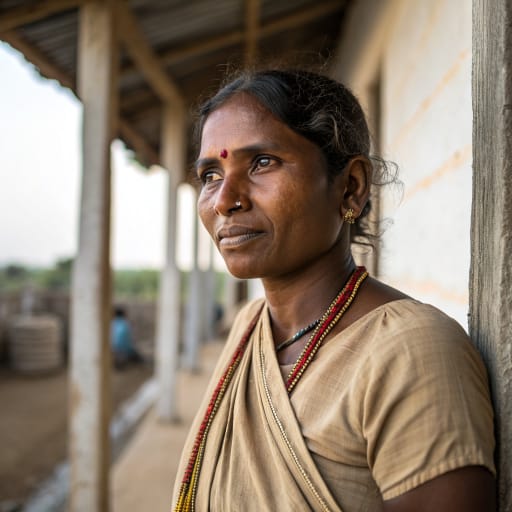
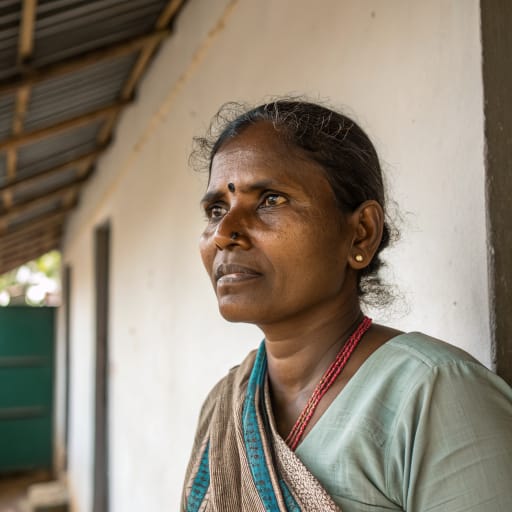
Typical Bettani Phenotypes
Reference for AI generation: hair, eyes, skin, facial structure, build
Explore phenotype categories
Structured taxonomy with peer-reviewed scales · 22 anatomical categories
Erotic Poses & Sex Positions
From the pose catalog: 219 named positions with reference skeletons
Frequently asked questions about Bettani people
Where is the Bettani homeland?
The Bettani homeland is Eastern and southern Afghanistan (Ghazni, Paktika, Zabul, Logar) and Pakistan: Tank, Lakki Marwat and Dera Ismail Khan in Khyber Pakhtunkhwa, Mianwali in Punjab. Older settler lineages in northern India. in Southern Asia.
What language do Bettani people speak?
Bettani people primarily speak Pashto (Eastern Iranian, Indo-European) in Ghilji, Marwat and other dialects; Saraiki and Punjabi among many Niazi; Urdu and Hindi among lineages settled in India..
What religion do Bettani people practice?
The predominant religion among Bettani people is Sunni Islam, Hanafi school, practiced alongside the Pashtunwali code..






Make your own Bettani images
Five a day, free, no credits to buy. The studio starts from this group's phenotype data, so you can set body type, pose and style and keep the traits accurate.
Start with Bettani