Help us get this right
Does this portrait look right for Ralte?
Nobody has judged this one yet. You would be the first.
Ralte Erotic
Mainly Mizoram in northeast India, with related communities in neighboring northeast Indian states and western Myanmar.
Mizo; historically a distinct Ralte dialect (Kuki-Chin, Sino-Tibetan)
Predominantly Christian, largely Presbyterian with Baptist and other denominations; earlier animist traditions of village and household sacrifice.
One of the major clans of the Mizo people, within the wider Zo or Kuki-Chin family of peoples; divided into several sub-clans.
About Ralte People
In Mizoram, Ralte is not an obscure ethnographic label but a name on school registers, church rolls and football team sheets. It is one of the major clans of the Mizo, and like other Mizo clan names it doubles as a surname, so the identity travels openly with the people who carry it. The Ralte are a people inside a people: a lineage with its own origin traditions and sub-clans, long since folded into the wider Mizo society of the hill country between Bangladesh and Myanmar. That country is the ridge land of India's far northeast, where forested ranges run north to south and villages traditionally sat on hilltops for defense. Before the British annexed the Lushai Hills in the 1890s, Ralte families lived in chief-led villages alongside other clans, many of those villages ruled by Lusei chiefs of the Sailo line. The mixing left its mark on speech. The Ralte once had a dialect of their own, distinct from the Lusei speech that became standard Mizo. Today almost all Ralte speak Mizo, a Kuki-Chin language of the Sino-Tibetan family, as their first language.
Religion changed almost completely within a few generations. Missionaries reached the hills in 1894, and the Ralte, like the Mizo generally, are now overwhelmingly Christian. The Presbyterian Church is the largest, followed by Baptist and other denominations. Church life sets the rhythm of the week and carries much of the community's welfare work. The old religion of village sacrifices to placate spirits is no longer practiced. But the farming year it once marked is still celebrated each March at Chapchar Kut, a festival revived in the 1970s, where the bamboo-clapping cheraw dance draws crowds. Old values outlasted the old rites, too. Tlawmngaihna, the Mizo ethic of quietly putting others ahead of yourself, is still what people invoke when a death brings a whole neighborhood out to help, or when volunteers of the Young Mizo Association turn up after a landslide. The twentieth century brought harder turns: the bamboo-flowering famine of 1959 fed the Mizo National Front uprising of 1966, and two decades of insurgency ended with the 1986 peace accord and statehood the following year. Ralte families went through those years and the forced regrouping of villages along with the rest of rural Mizoram, and the clan name remains one of the most familiar in the state's public life.
Related ethnic groups
Groups that share Ralte's homeland, region, language, or religious tradition. These are likely candidates for comparative phenotype reference.
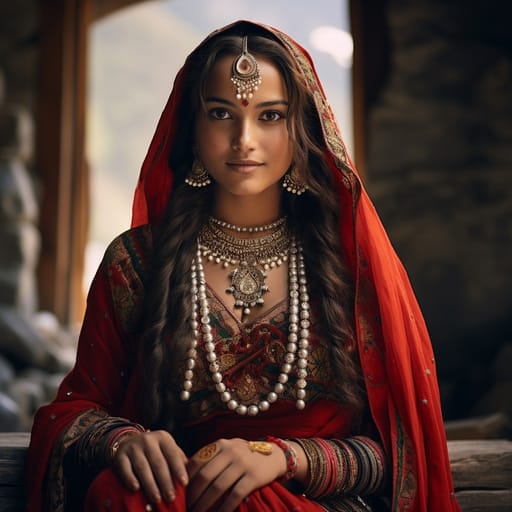
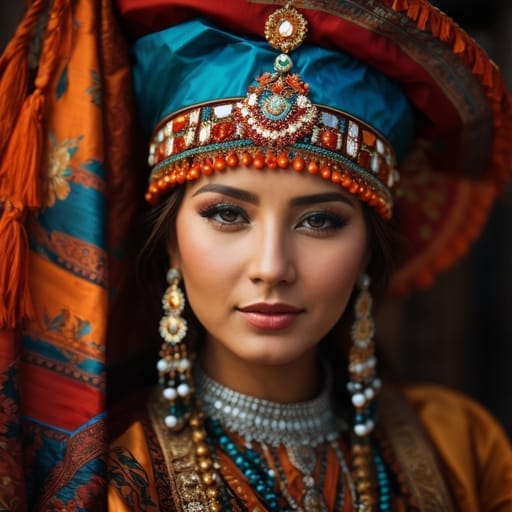
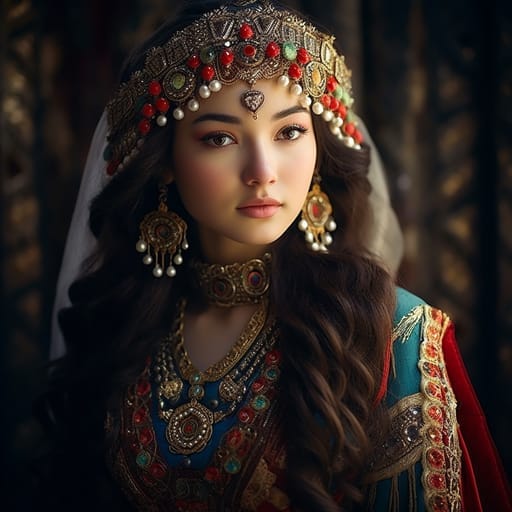
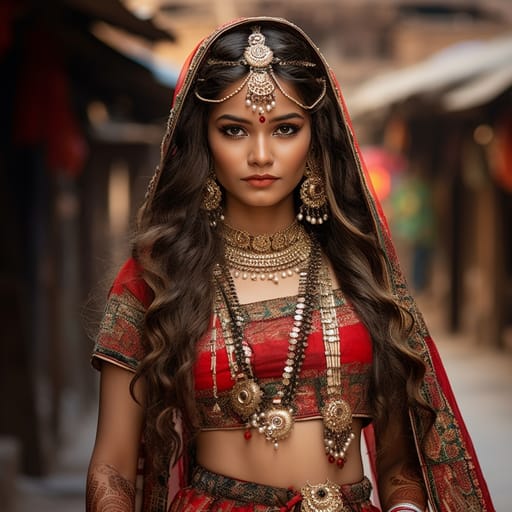
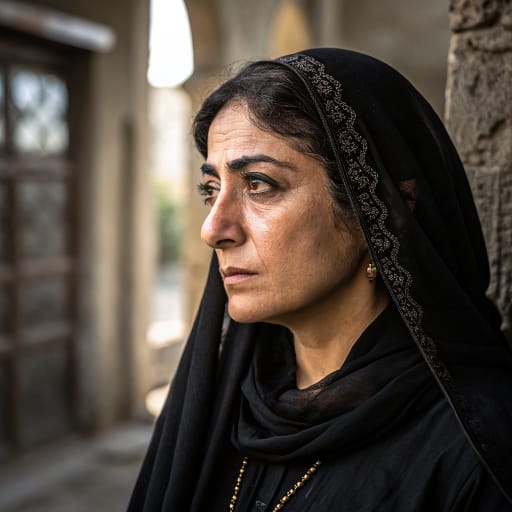
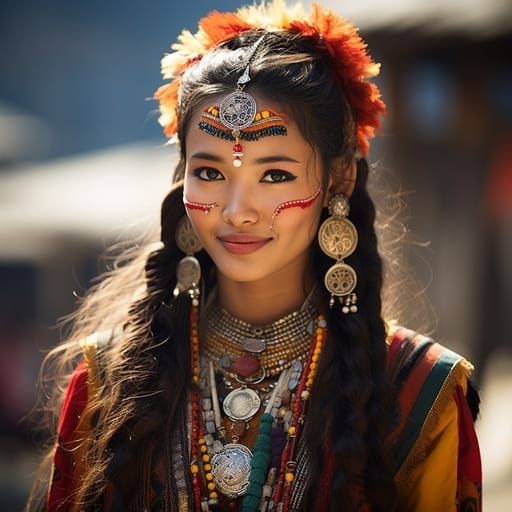
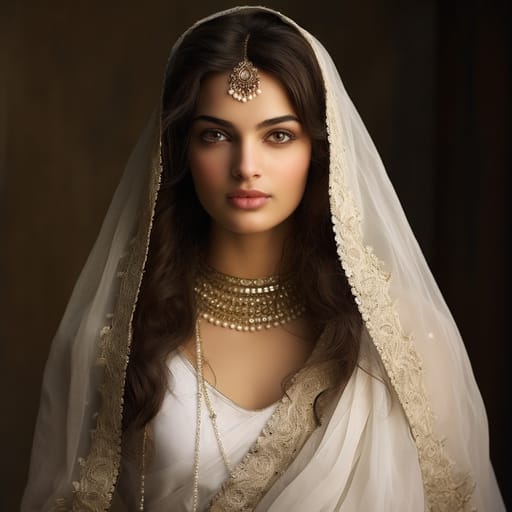
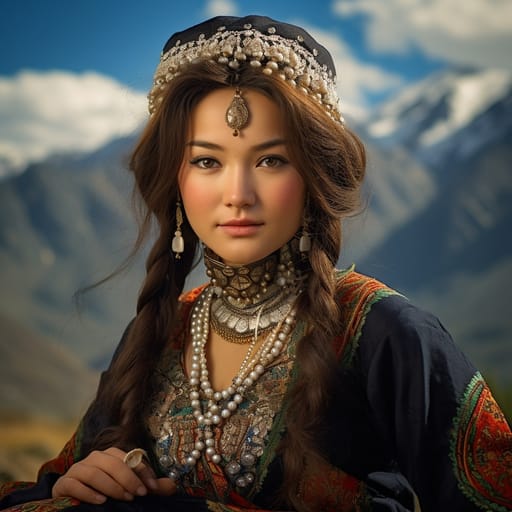
Typical Ralte Phenotypes
Reference for AI generation: hair, eyes, skin, facial structure, build
Explore phenotype categories
Structured taxonomy with peer-reviewed scales · 22 anatomical categories
Erotic Poses & Sex Positions
From the pose catalog: 219 named positions with reference skeletons
Frequently asked questions about Ralte people
Where is the Ralte homeland?
The Ralte homeland is Mainly Mizoram in northeast India, with related communities in neighboring northeast Indian states and western Myanmar. in Southern Asia.
What language do Ralte people speak?
Ralte people primarily speak Mizo; historically a distinct Ralte dialect (Kuki-Chin, Sino-Tibetan).
What religion do Ralte people practice?
The predominant religion among Ralte people is Predominantly Christian, largely Presbyterian with Baptist and other denominations; earlier animist traditions of village and household sacrifice..






Make your own Ralte images
Five a day, free, no credits to buy. The studio starts from this group's phenotype data, so you can set body type, pose and style and keep the traits accurate.
Start with Ralte