Help us get this right
Does this portrait look right for Idu Mishmi?
One tap. It takes a second and it is recorded.
0 say it looks right, 1 says it looks off.
Idu Mishmi Erotic
Dibang Valley and Lohit, Arunachal Pradesh, India (some in Tibet, China)
Indigenous Igu shamanism and ancestral rites
One of three Mishmi groups (with Digaru and Miju)
About Idu Mishmi People
The Idu Mishmi are one of the three Mishmi groups of Arunachal Pradesh in northeast India, living chiefly in the Dibang valley and parts of Lohit, with a small related presence across the border in China. They speak Idu, a Digarish language of the Sino-Tibetan family, and are a relatively small population numbering a few tens of thousands.
Society and subsistence
Idu society is clan-based and traditionally without centralised chiefs, with authority resting on kinship, wealth in mithun (a semi-domesticated bovine), and the guidance of shaman-priests called Igu, who conduct healing, funerary and prosperity rites through long chanted liturgies. Subsistence combines shifting cultivation, hunting and the rearing of mithun. Idu belief centres on a rich spirit world and ancestral rites, and a strong ethic of restraint toward wildlife, including a cultural reverence that treats the tiger as a brother, has drawn attention from conservationists in the tiger-rich Dibang valley. The Reh festival is the major communal celebration, held in the cold season and reaffirming the unity of the Idu clans through days of ritual, feasting and dance led by the Igu.
Appearance and adornment
The most distinctive Idu Mishmi feature is the hair, cut into a rounded bowl-like bob with a straight fringe, worn by both men and women. Traditional dress is woven at home in bold geometric patterns, worn as sleeveless coats and, for women, wraparound skirts, and is set off with silver disc ornaments, coins, bead necklaces and silver earrings and hairpins. Igu shaman-priests wear elaborate feathered and fringed ceremonial headgear for their long chanted rites. Idu weaving is admired for its intricate coloured patterning, and the community is small enough that its language and the long chanted knowledge of the Igu are regarded as vulnerable, prompting efforts at documentation and cultural revival. Everyday dress increasingly follows modern styles.
Related ethnic groups
Groups that share Idu Mishmi's homeland, region, language, or religious tradition. These are likely candidates for comparative phenotype reference.
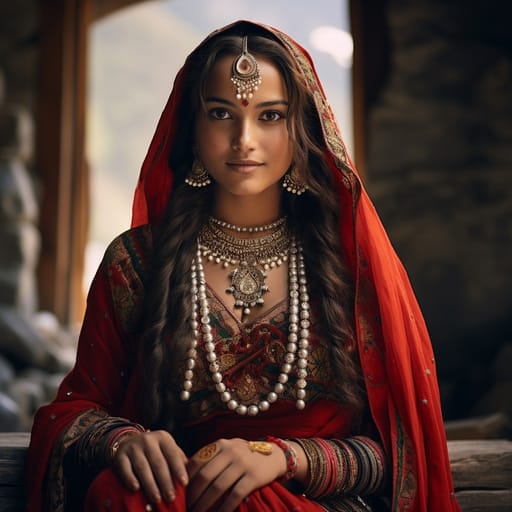
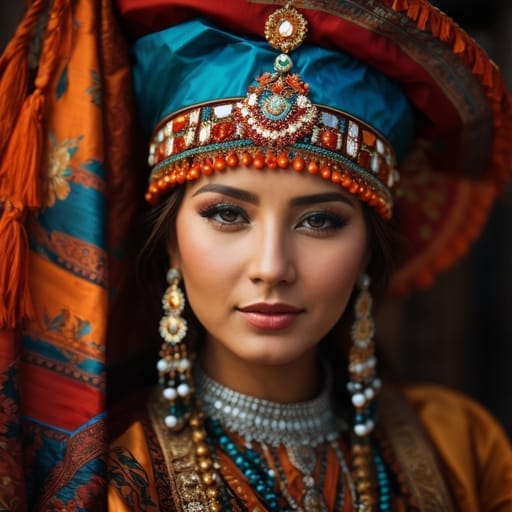
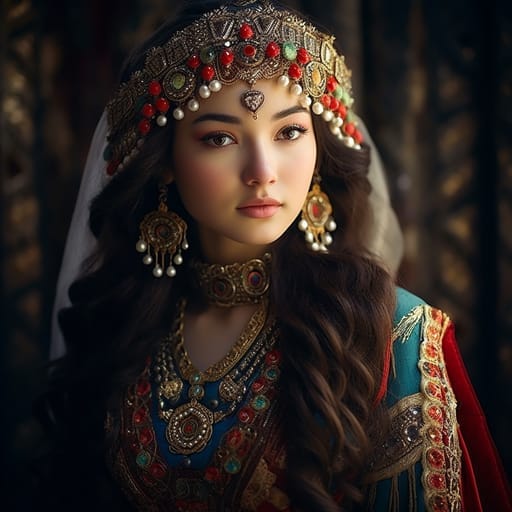
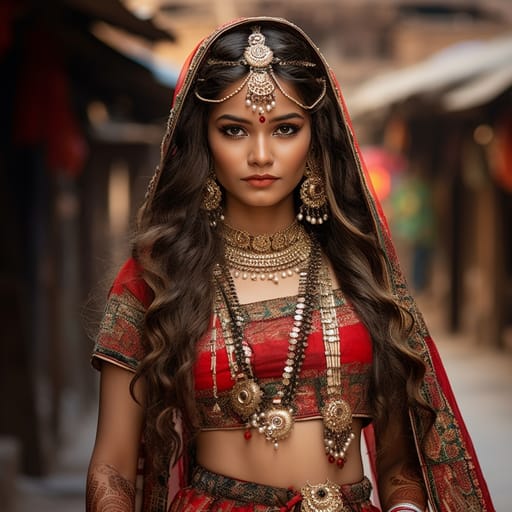
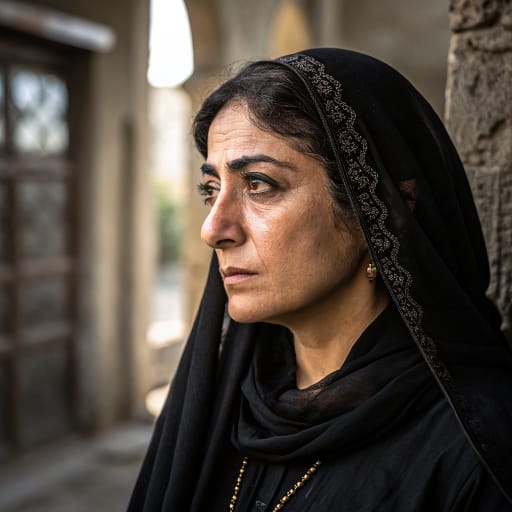
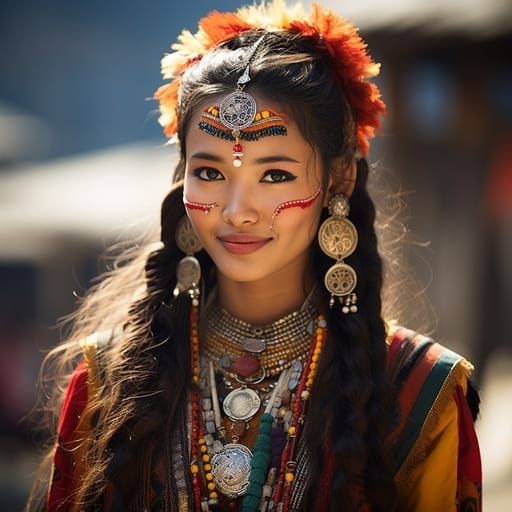
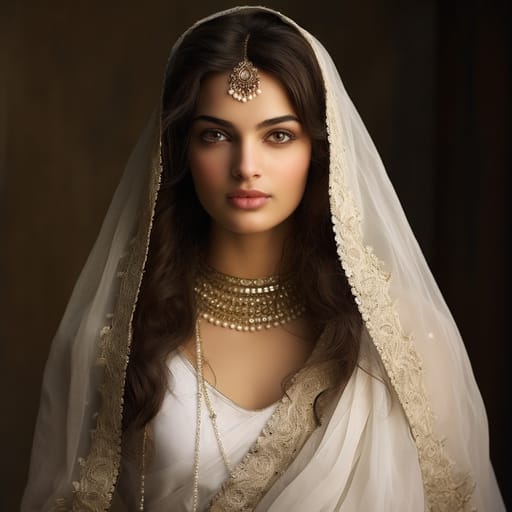
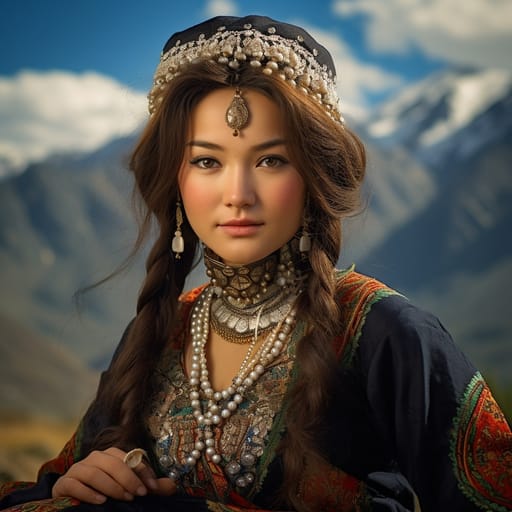
Typical Idu Mishmi Phenotypes
Reference for AI generation: hair, eyes, skin, facial structure, build
Explore phenotype categories
Structured taxonomy with peer-reviewed scales · 22 anatomical categories
Erotic Poses & Sex Positions
From the pose catalog: 219 named positions with reference skeletons
Frequently asked questions about Idu Mishmi people
Where is the Idu Mishmi homeland?
The Idu Mishmi homeland is Dibang Valley and Lohit, Arunachal Pradesh, India (some in Tibet, China) in Southern Asia.
What language do Idu Mishmi people speak?
Idu Mishmi people primarily speak Idu (Sino-Tibetan, Digarish / Mishmic).
What religion do Idu Mishmi people practice?
The predominant religion among Idu Mishmi people is Indigenous Igu shamanism and ancestral rites.






Make your own Idu Mishmi images
Five a day, free, no credits to buy. The studio starts from this group's phenotype data, so you can set body type, pose and style and keep the traits accurate.
Start with Idu Mishmi