No portrait yet
Kora Erotic
Western West Bengal and adjoining parts of Jharkhand and Odisha, India, with a smaller community in northwestern Bangladesh.
Koda, also called Kora (Austroasiatic, Munda branch), now endangered; most Kora in West Bengal speak Bengali (Indo-European, Indo-Aryan) at home.
Mostly Hindu by census, with worship of village and nature deities alongside.
Munda-speaking Adivasi people from the Chota Nagpur region, related to the Munda; known as Koda in parts of Jharkhand, Odisha and Bangladesh.
About Kora People
The Kora are a people known as much for their work as for their ancestry. Their name is usually traced to a word for digging. For generations they were the laborers hired to cut the tanks, ponds, embankments and field channels that hold water across the dry uplands of western Bengal. Today they are a recognized Scheduled Tribe in West Bengal, and they are also listed in Jharkhand and Odisha, where the name often appears as Koda. A smaller community lives across the border in northwestern Bangladesh, where they are also known as Koda.
Their roots lie on the Chota Nagpur plateau. Much of their move east followed the demand for labor. Clearing land, building railways and canals, and the constant upkeep of irrigation works drew Kora families down onto the Bengal plains. Many settled at the edges of villages as farmhands with no land of their own. That history still shapes their lives. Most Kora households depend on farm wages, seasonal migration and small plots, and they still trail the people around them in land ownership and schooling.
Their language tells the same story of drift. The ancestral tongue, Koda, belongs to the Munda branch of the Austroasiatic family and is close to Mundari. It has nothing in common with Bengali, the Indo-Aryan language spoken all around it. In West Bengal most Kora now speak Bengali at home. Koda survives mainly among older speakers and in pockets of Bangladesh, where linguists class it as endangered. Kora identity has outlasted the language, carried instead through kinship, clan ties and marriage rules that keep the community distinct from the castes around it.
Their religion follows a pattern common across the plateau's edge. The census lists most Kora as Hindu, but village practice keeps older layers: worship of local and nature deities, offerings at sacred spots near the settlement, and festivals tied to planting and harvest that the Kora share with neighboring Adivasi communities. The gods of the fields and the gods of the temple sit side by side without much sense of contradiction.
What stands out about the Kora is how deeply their work is written into the land and how rarely they get credit for it. Reservoirs and field embankments are ordinary sights in rural Bengal, and Kora laborers dug a share of them. For a people with little written history of their own, the land itself is a record of what they did.
Related ethnic groups
Groups that share Kora's homeland, region, language, or religious tradition. These are likely candidates for comparative phenotype reference.
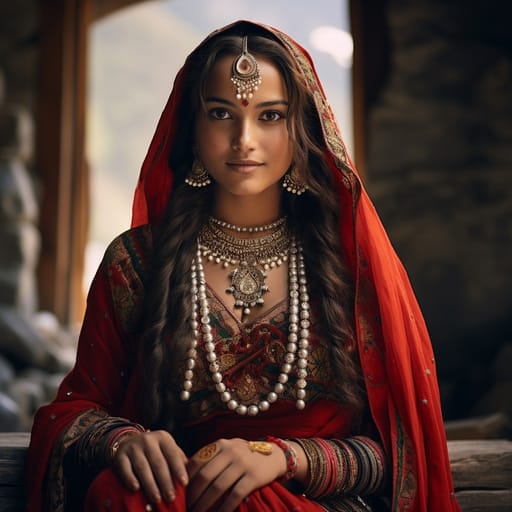
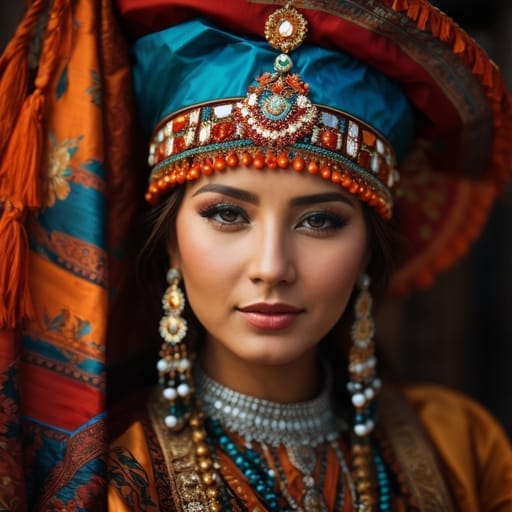
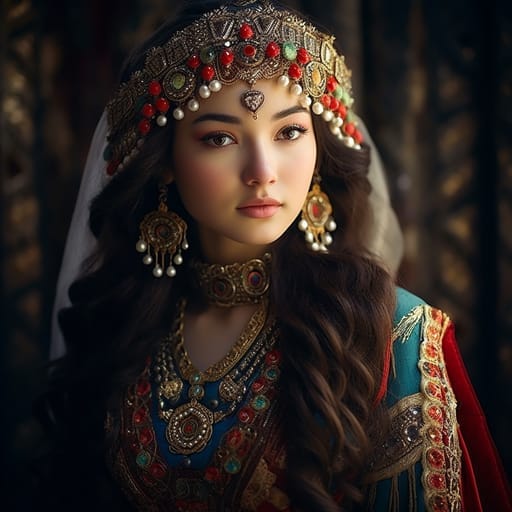
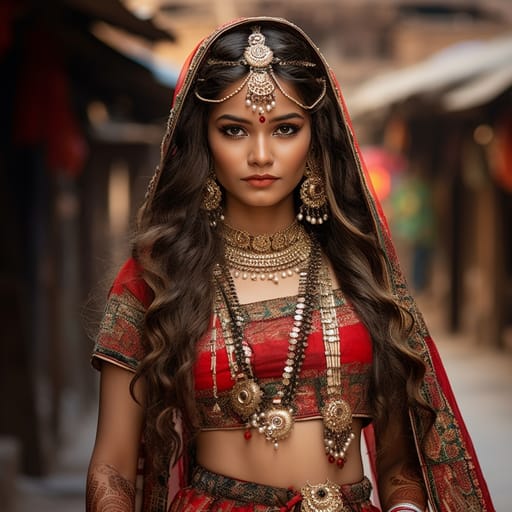
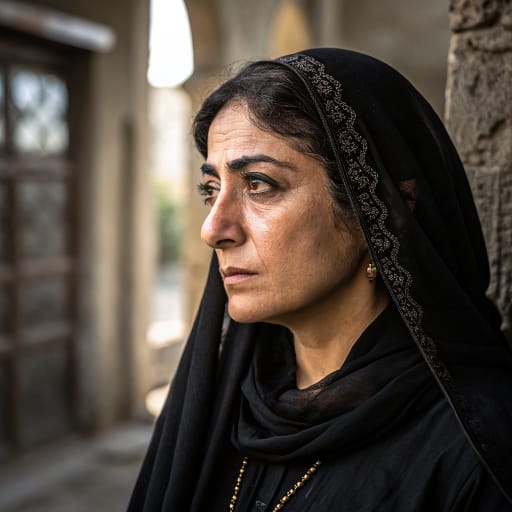
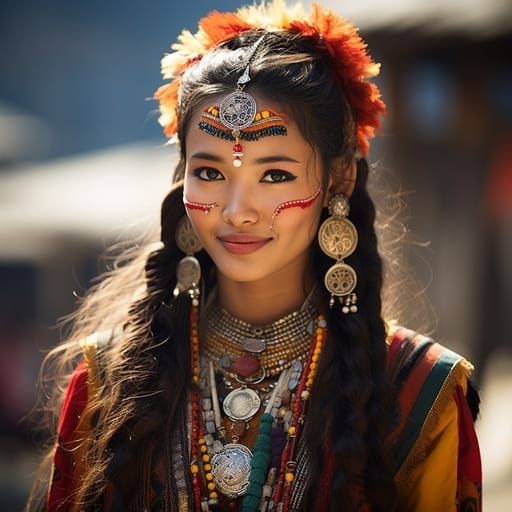
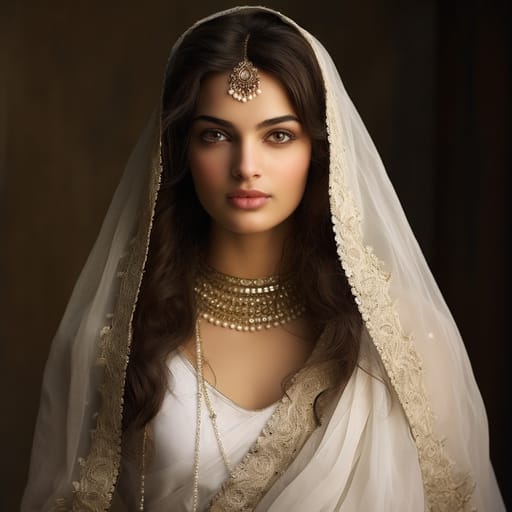
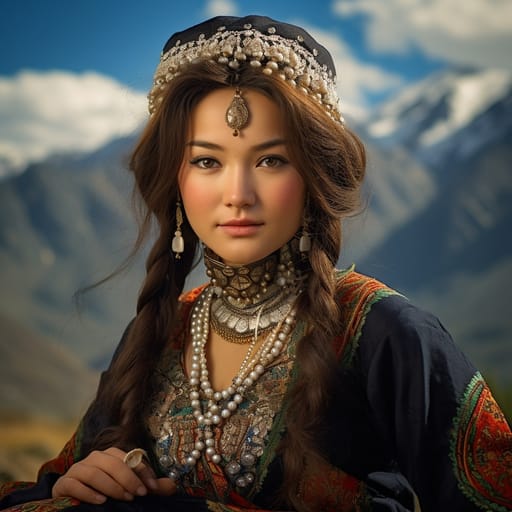
Typical Kora Phenotypes
Reference for AI generation: hair, eyes, skin, facial structure, build
Kora Body & Anatomy Reference
Indo-Aryan / Dravidian South Asian phenotype: anatomy reference for AI nude generation
Kora Boobs & Breasts
The typical Kora bust is medium-to-large cup, moderate-to-full projection, in line with the wider Indo-Aryan / Dravidian South Asian pattern. Areolas usually fall in the 32-46mm range, with medium-brown to dark-brown areolar pigmentation against the wheatish-to-brown skin tone. Compared with the smaller East Asian bust profile, Kora breasts sit forward and are generally full and soft, generally fuller than the East Asian norm. A faithful AI render of Kora tits keeps that shape and areola size.
Kora Ass & Hips
Butt shape among Kora women: medium-to-full, moderate-to-high projection, classic curvy hip profile, over medium-to-wide iliac crests, full gluteal-femoral fat distribution. This follows Indo-Aryan / Dravidian South Asian ancestry and looks quite unlike the slim hip profile of East Asian women. An accurate Kora ass in adult AI imagery keeps both the silhouette and the overall build (endomorph-to-mesomorph with fuller hip deposition) instead of a generic average.
Kora Vagina & Pussy
Vulvar anatomy among Kora women: medium-brown to dark-brown labial pigmentation, fuller labia minora projection. Pubic hair tends to be straight-to-wavy coarse texture, dense distribution, in the usual inverted-triangle pattern. Both follow Indo-Aryan / Dravidian South Asian pigmentation, which is why Kora pussy renders should not fall back on a pale, sparse Western template.
Kora Dicks & Penis
The Kora cock profile, from Indo-Aryan / Dravidian South Asian anthropometric data: regional mean ~13cm erect; moderate girth; medium-brown shaft pigmentation. Pubic hair has a straight-to-wavy coarse texture and forms the usual inverted-V pattern. Whether Kora men are circumcised follows religious and cultural practice rather than phenotype.
Kora Body, Curves & Build
Build and curves among Kora women follow the Indo-Aryan / Dravidian South Asian pattern: endomorph-to-mesomorph with fuller hip deposition, mean adult female BMI 22-25. Proportions matter as much as skin tone, so Kora figures should keep their regional height and limb ratios.
Kora Skin Tone & Hair Texture
The Kora skin range is wheatish to brown (Fitzpatrick III-V), and hair tends to be straight-to-wavy 1A-2B, dense, dark-brown to black. That combination marks the Indo-Aryan / Dravidian South Asian phenotype, and skin tone is the trait AI generators most often get wrong for Kora women.
Explore phenotype categories
Structured taxonomy with peer-reviewed scales · 22 anatomical categories
Erotic Poses & Sex Positions
From the pose catalog: 219 named positions with reference skeletons
Frequently asked questions about Kora people
Where is the Kora homeland?
The Kora homeland is Western West Bengal and adjoining parts of Jharkhand and Odisha, India, with a smaller community in northwestern Bangladesh. in Southern Asia.
What language do Kora people speak?
Kora people primarily speak Koda, also called Kora (Austroasiatic, Munda branch), now endangered; most Kora in West Bengal speak Bengali (Indo-European, Indo-Aryan) at home..
What religion do Kora people practice?
The predominant religion among Kora people is Mostly Hindu by census, with worship of village and nature deities alongside..






Make your own Kora images
Five a day, free, no credits to buy. The studio starts from this group's phenotype data, so you can set body type, pose and style and keep the traits accurate.
Start with Kora