Help us get this right
Does this portrait look right for Gangte?
Nobody has judged this one yet. You would be the first.
Gangte Erotic
Southern Manipur, chiefly Churachandpur district, India; smaller numbers in Mizoram, Assam and Meghalaya, and in the Chin Hills and adjoining areas of Myanmar.
Gangte (Sino-Tibetan, Tibeto-Burman, Kuki-Chin branch); closely related to Thadou, Vaiphei, Simte, Zou and Paite. Many also speak Mizo, Meitei or English.
Christianity, overwhelmingly Protestant; the earlier indigenous animist religion was largely abandoned during the 20th century.
A Kuki-Chin (Zo) people, variously grouped with the Kuki, Zomi or Mizo; listed as a Scheduled Tribe of Manipur since 1956. Internally organized by patrilineal clans.
About Gangte People
The Gangte are one of the smaller hill peoples of the India-Myanmar borderland, a few tens of thousands strong, and their sense of themselves rests on two things: descent traced through clan genealogies, and a language of their own among a crowd of closely related ones. Most live in Churachandpur district in southern Manipur, with villages and families scattered into Mizoram, Assam, Meghalaya and across the border in Myanmar's Chin Hills. Tradition ties the name to Ganggam, a settlement in those hills where the ancestors are said to have lived before moving west. Further back, the story merges with that of their neighbors: emergence from a cave called Khul, the shared origin place of the Zo peoples.
Gangte belongs to the Kuki-Chin branch of Tibeto-Burman. A speaker can follow much of Thadou, Vaiphei, Simte, Zou or Paite without study, and the reverse holds, which is exactly why labels matter so much here. Outsiders have filed the Gangte under Kuki, Zomi, Mizo or Chin depending on the decade and the agenda. India settled the administrative side in 1956 by listing them as a Scheduled Tribe of Manipur under their own name, and that is the name they use. In Mizoram the pull runs the other way, toward the wider Mizo identity and the Mizo language.
Village life was once organized around hereditary chiefs, shifting rice cultivation on cleared hill slopes, and, as among their neighbors, feasts where rice beer flowed and the killing of a mithun, the semi-wild hill ox, marked a man's standing. Christian missions reached the southern Manipur hills in the 1910s, and within a couple of generations the Gangte were almost wholly Protestant. The church now does much of what the chief's house used to do: it runs schools, orders the week around Sunday, and carries the language through hymnals and Bible translation. Older practice survives in altered form. Bride price is still negotiated between families, and Kut, the post-harvest festival shared by the Kuki-Chin tribes of Manipur, is held every November 1 with dance, song and handwoven dress, minus the old ritual content.
Since May 2023 the conflict between the Meitei of the Imphal valley and the Kuki-Zo hill tribes has put Churachandpur on one side of a hard line. The Gangte, a small community inside the larger hill bloc, have shared in the displacement and the separation from the state capital, and the old question of which larger name to stand under now carries real political weight.
Related ethnic groups
Groups that share Gangte's homeland, region, language, or religious tradition. These are likely candidates for comparative phenotype reference.
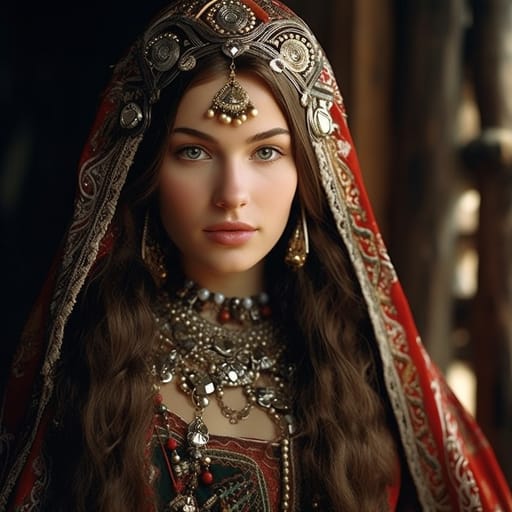
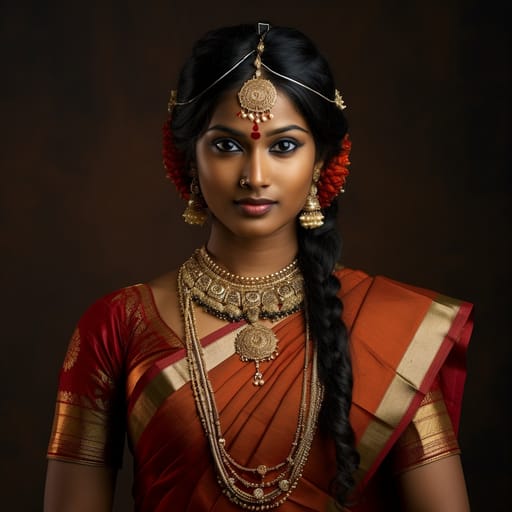
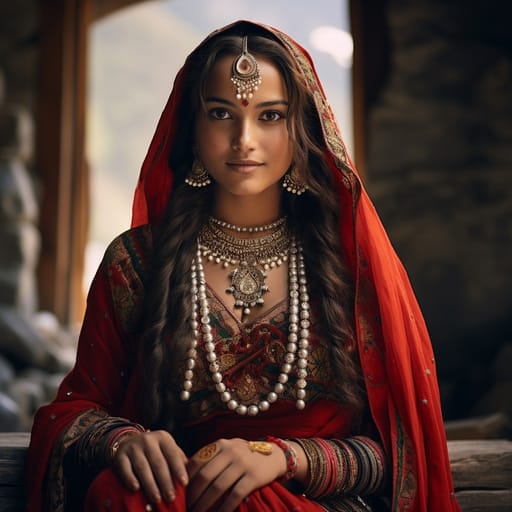
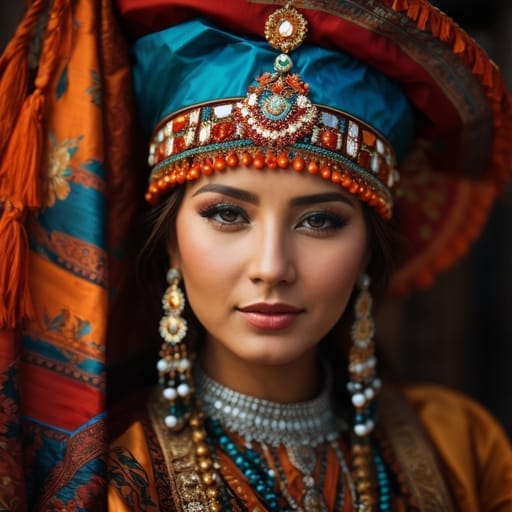
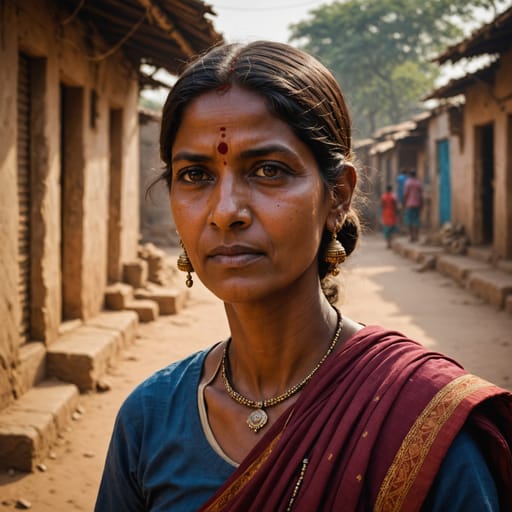
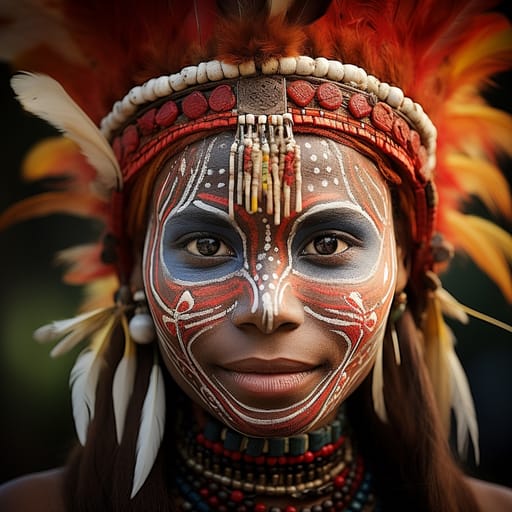
Typical Gangte Phenotypes
Reference for AI generation: hair, eyes, skin, facial structure, build
Explore phenotype categories
Structured taxonomy with peer-reviewed scales · 22 anatomical categories
Erotic Poses & Sex Positions
From the pose catalog: 219 named positions with reference skeletons
Frequently asked questions about Gangte people
Where is the Gangte homeland?
The Gangte homeland is Southern Manipur, chiefly Churachandpur district, India; smaller numbers in Mizoram, Assam and Meghalaya, and in the Chin Hills and adjoining areas of Myanmar. in Southern Asia.
What language do Gangte people speak?
Gangte people primarily speak Gangte (Sino-Tibetan, Tibeto-Burman, Kuki-Chin branch); closely related to Thadou, Vaiphei, Simte, Zou and Paite. Many also speak Mizo, Meitei or English..
What religion do Gangte people practice?
The predominant religion among Gangte people is Christianity, overwhelmingly Protestant; the earlier indigenous animist religion was largely abandoned during the 20th century..






Make your own Gangte images
Five a day, free, no credits to buy. The studio starts from this group's phenotype data, so you can set body type, pose and style and keep the traits accurate.
Start with Gangte