No portrait yet
Manipuri Kshatriya Erotic
Imphal Valley, Manipur, India; communities in Assam (Cachar, Hojai), Tripura, the Sylhet Division of Bangladesh, and Myanmar
Meitei, also called Manipuri (Sino-Tibetan), written in Bengali script and the revived Meitei Mayek script
Hindu (Gaudiya Vaishnava), blended with older Sanamahi worship of household and clan deities
Hindu section of the Meitei, organized in seven clans (Mangang, Luwang, Khuman, Angom, Moirang, Khaba-Nganba, Sarang Leishangthem); branches in Assam, Tripura, Bangladesh and Myanmar
About Manipuri Kshatriya People
Manipuri Kshatriya is the name Hindu Meitei took once their kings adopted Vaishnavism, and the name makes a claim: the people of the Imphal Valley descend from Arjuna, the Mahabharata hero who married a princess of a kingdom called Manipur. It marks caste rank, not a separate ethnicity. The people under the label are Meitei. They speak the same Sino-Tibetan language, belong to the same seven clans and live in the same oval valley around Imphal and Loktak Lake, whose surrounding hills are home mostly to Naga and Kuki-Zo peoples. What sets them apart is a layer of Bengal-influenced Hinduism over an older Meitei religion, and the two never fully separated. The change began in the early 18th century under King Pamheiba, remembered by his Persian-derived title Garib Niwaz. He was initiated by a Vaishnava teacher from Sylhet and made the faith a matter of state. Tradition says he had the old puya manuscripts burned. His grandson Bhagyachandra turned devotion into art. The Manipuri Ras Lila, with its slow circling steps and stiff cylindrical skirts, is credited to his reign, and he installed the image of Govindaji still worshiped in Imphal. Then came disaster. Burmese occupation from 1819 to 1826, remembered as the Seven Years Devastation, emptied much of the valley. Refugees settled in Cachar, Sylhet and Tripura, where their descendants still keep Manipuri villages and temples. British paramountcy followed the war of 1891, and the kingdom joined India in 1949.
You can see where the two religions meet in everyday life. A Vaishnava household may sing kirtan, mark foreheads with sandalwood paste and avoid meat, while fermented fish, ngari, stays on the table. The same family still honors household and clan deities from the older Sanamahi tradition. Lai Haraoba, a festival in which maibi priestesses act out the creation of the world, runs alongside the Hindu holy days. Sankirtana, the drumming, singing and dancing that go with rites from birth to death, is on UNESCO's intangible heritage list. British officers learned modern polo from Meitei players in the mid-19th century. The Kshatriya label itself is disputed. A revival movement that grew through the twentieth century rejects the Mahabharata family tree, has brought back the Meitei Mayek script and has led some families back to Sanamahi worship. Recent demands for Scheduled Tribe status sit awkwardly beside the old claim to warrior caste. In 2023 a court order on that demand helped set off deadly ethnic violence with Kuki-Zo communities. The people who carry the name are still arguing over it.
Related ethnic groups
Groups that share Manipuri Kshatriya's homeland, region, language, or religious tradition. These are likely candidates for comparative phenotype reference.
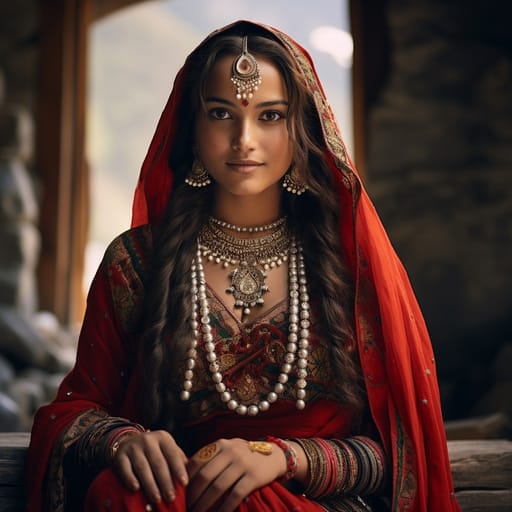
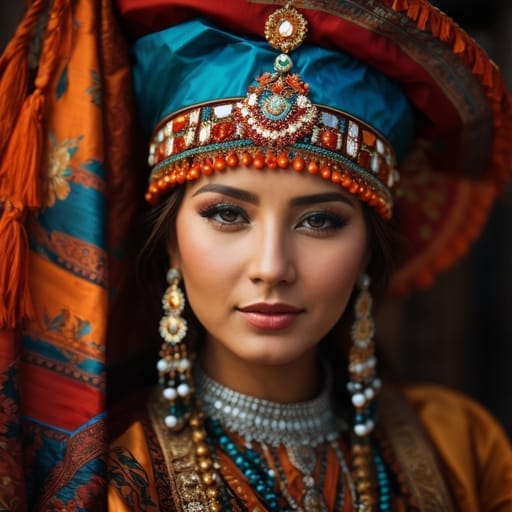
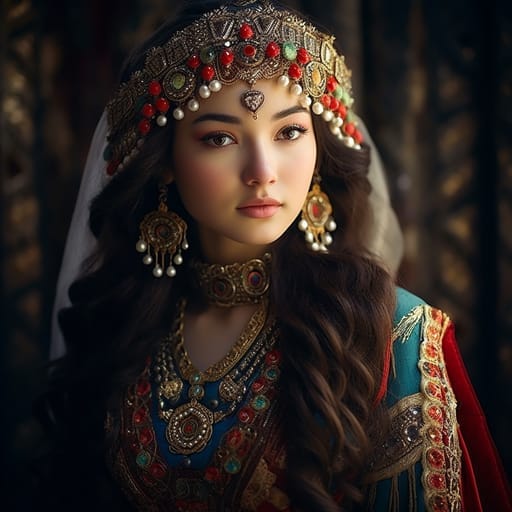
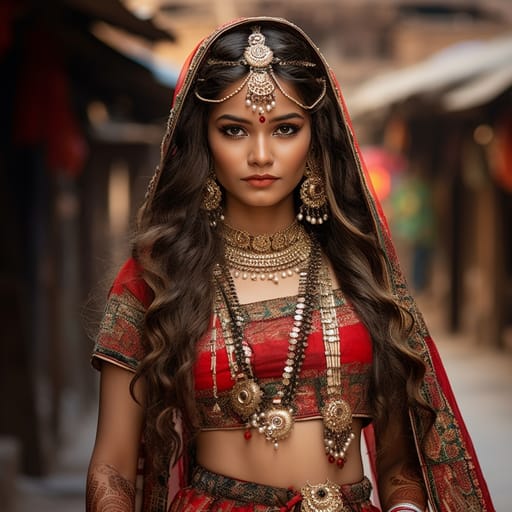
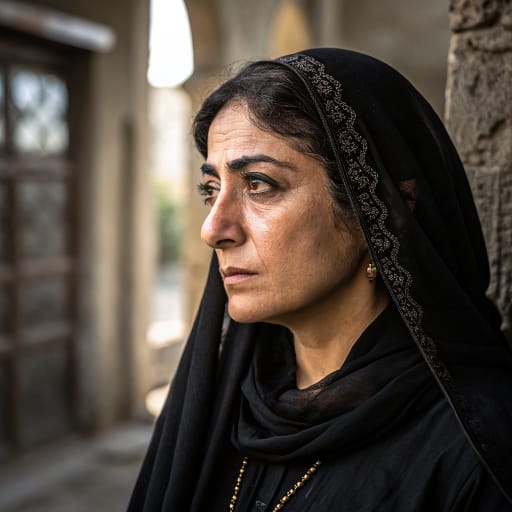
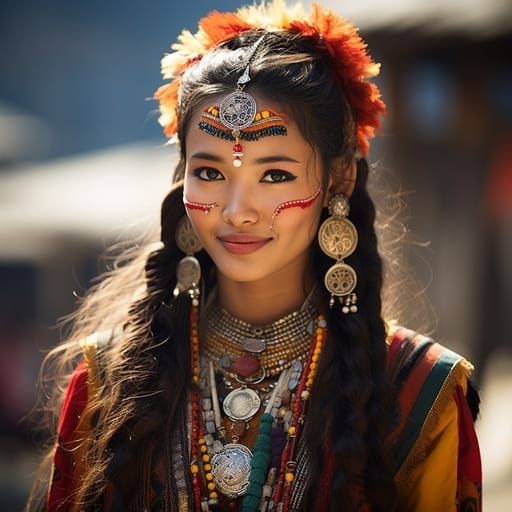
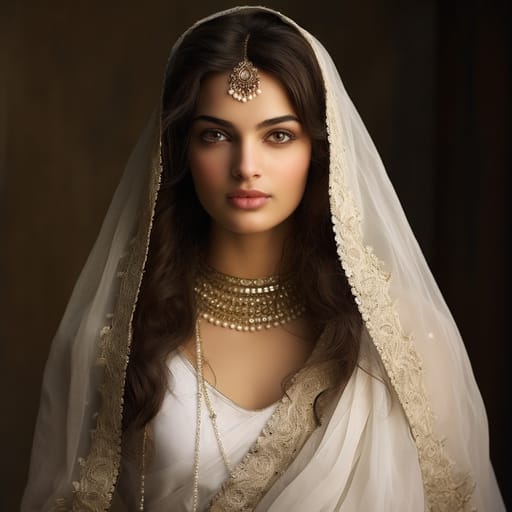
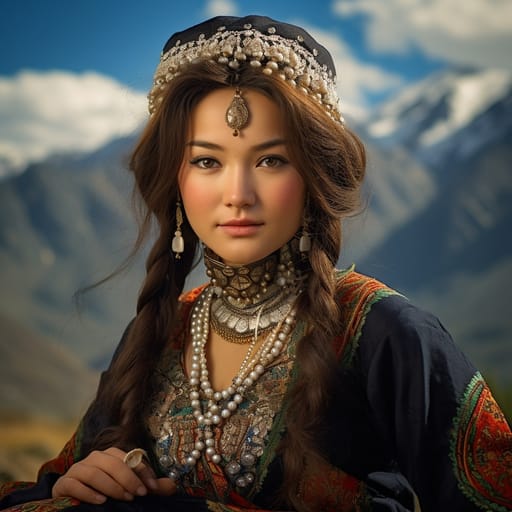
Typical Manipuri Kshatriya Phenotypes
Reference for AI generation: hair, eyes, skin, facial structure, build
Manipuri Kshatriya Body & Anatomy Reference
Anatomy by feature, Indo-Aryan / Dravidian South Asian phenotype
Manipuri Kshatriya Boobs & Breasts
Bust reference for Manipuri Kshatriya women: medium-to-large cup, moderate-to-full projection, which is typical of Indo-Aryan / Dravidian South Asian ancestry. Areolas measure about 32-46mm across, with medium-brown to dark-brown pigmentation. Body type (endomorph-to-mesomorph with fuller hip deposition) shapes the bust as well, so Manipuri Kshatriya tits are usually full and soft, generally fuller than the East Asian norm. In AI imagery, keep the forward-set shape rather than drifting toward the smaller East Asian bust profile.
Manipuri Kshatriya Ass & Hips
The Manipuri Kshatriya ass is typically medium-to-full, moderate-to-high projection, classic curvy hip profile, which sets it apart from the slim hip profile of East Asian women. Underneath, the pelvis shows medium-to-wide iliac crests, full gluteal-femoral fat distribution, part of the Indo-Aryan / Dravidian South Asian skeletal pattern. For Manipuri Kshatriya butt pics and AI renders, match that silhouette and the overall build (endomorph-to-mesomorph with fuller hip deposition).
Manipuri Kshatriya Vagina & Pussy
Manipuri Kshatriya pussy and vulvar anatomy presents medium-brown to dark-brown labial pigmentation, fuller labia minora projection, consistent with the Indo-Aryan / Dravidian South Asian phenotype's pigmentation pattern. Manipuri Kshatriya pubic hair is typically straight-to-wavy coarse texture, dense distribution, in the inverted-triangle pattern. For anatomically accurate Manipuri Kshatriya pussy renders the labial coloration should match the surrounding wheatish to brown skin tone with a continuous gradient, and the hair should keep its straight-to-wavy coarse texture.
Manipuri Kshatriya Dicks & Penis
Manipuri Kshatriya dicks follow the Indo-Aryan / Dravidian South Asian reference data: regional mean ~13cm erect; moderate girth; medium-brown shaft pigmentation. Shaft color should track the wheatish to brown skin tone with a smooth change toward the glans, and Manipuri Kshatriya pubic hair keeps its straight-to-wavy coarse texture.
Manipuri Kshatriya Body, Curves & Build
Manipuri Kshatriya body type and overall build presents as endomorph-to-mesomorph with fuller hip deposition, with mean adult female BMI 22-25: the characteristic Indo-Aryan / Dravidian South Asian habitus. Manipuri Kshatriya curves and proportions should keep the regional skeletal frame (height, shoulder-to-hip ratio, limb proportions) rather than a generic mesomorph default.
Manipuri Kshatriya Skin Tone & Hair Texture
Manipuri Kshatriya skin sits in the wheatish to brown (Fitzpatrick III-V) band. Hair is typically straight-to-wavy 1A-2B, dense, dark-brown to black, in keeping with the Indo-Aryan / Dravidian South Asian phenotype. In nude renders the skin should stay one even tone from face to body, and body, pubic and head hair should match.
Explore phenotype categories
Structured taxonomy with peer-reviewed scales · 22 anatomical categories
Erotic Poses & Sex Positions
From the pose catalog: 219 named positions with reference skeletons
Frequently asked questions about Manipuri Kshatriya people
Where is the Manipuri Kshatriya homeland?
The Manipuri Kshatriya homeland is Imphal Valley, Manipur, India; communities in Assam (Cachar, Hojai), Tripura, the Sylhet Division of Bangladesh, and Myanmar in Southern Asia.
What language do Manipuri Kshatriya people speak?
Manipuri Kshatriya people primarily speak Meitei, also called Manipuri (Sino-Tibetan), written in Bengali script and the revived Meitei Mayek script.
What religion do Manipuri Kshatriya people practice?
The predominant religion among Manipuri Kshatriya people is Hindu (Gaudiya Vaishnava), blended with older Sanamahi worship of household and clan deities.






Make your own Manipuri Kshatriya images
Five a day, free, no credits to buy. The studio starts from this group's phenotype data, so you can set body type, pose and style and keep the traits accurate.
Start with Manipuri Kshatriya