Help us get this right
Does this portrait look right for Wancho?
One tap. It takes a second and it is recorded.
1 says it looks right, 0 say it looks off.
Wancho Erotic
Longding district, Arunachal Pradesh, India
Christianity; Rangfrah; ancestral tradition
Ranked society under Wangham chiefs; closely related to the Konyak
About Wancho People
The Wancho are a Naga people of the Longding district in the southeastern corner of Arunachal Pradesh, India, closely related to the Konyak across the Nagaland border. They speak Wancho, a Konyak-Wancho language of the Sino-Tibetan family, and number in the tens of thousands. Like the Konyak, they were formerly headhunters.
Society and subsistence
Wancho villages were traditionally ranked societies led by hereditary chiefs (Wangham) drawn from a chiefly class distinct from commoner lineages, an arrangement resembling the Konyak Angh system. Subsistence rests on shifting cultivation of rice, millet and vegetables, supplemented by hunting and pig-rearing. Wood carving is a notable art, seen in figures, pipes and the great log drums of the men's morung dormitories. Headhunting, once tied to fertility and status, ended in the twentieth century; Christianity and, among some, the reformed Rangfrah faith have spread, though ancestral and clan observance persists. The Oriah spring festival remains important. In recent years a Wancho alphabet was devised to write the language, part of a wider effort to record songs, genealogies and oral history.
Appearance and adornment
Wancho adornment closely echoes that of the Konyak. Older people may still bear the dark facial and chest tattoos of the headhunting era, and warriors' regalia includes cane helmets set with wild boar tusks and hornbill feathers, large bamboo-disc and bead ear ornaments, dense strings of blue and red glass beads, brass or wooden pendants, and woven kilts in red and black. Fine wood carving decorates pipes, figures and the great log drums of the morung. Traditional tattoos, once marks of status and stages of life, are no longer made, so they survive mainly on the oldest members of the community, and much regalia is now kept for festivals and cultural display. Younger Wancho now wear modern clothing, keeping regalia for festivals such as Oriah.
Related ethnic groups
Groups that share Wancho's homeland, region, language, or religious tradition. These are likely candidates for comparative phenotype reference.
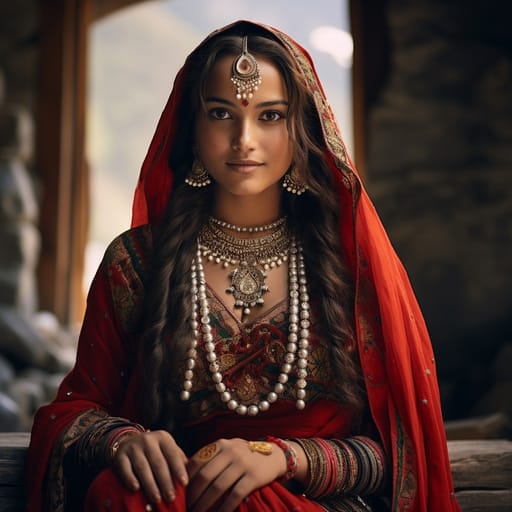
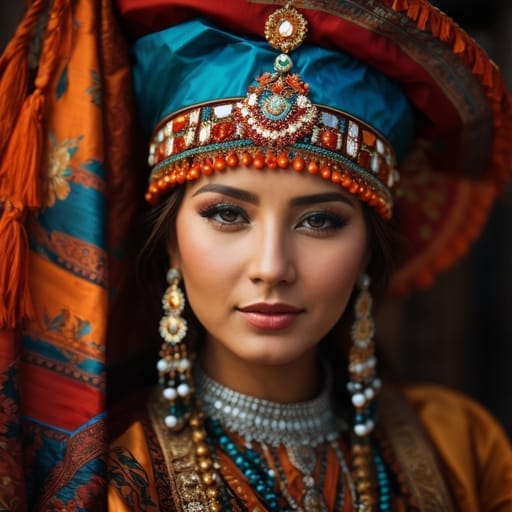
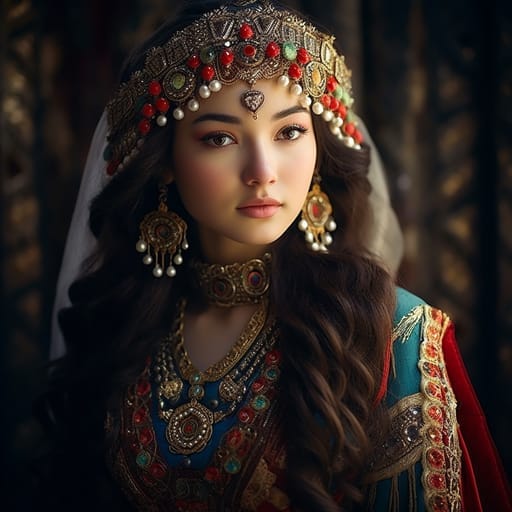
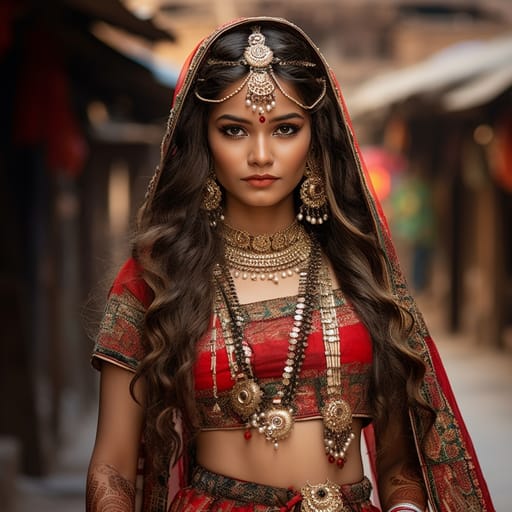
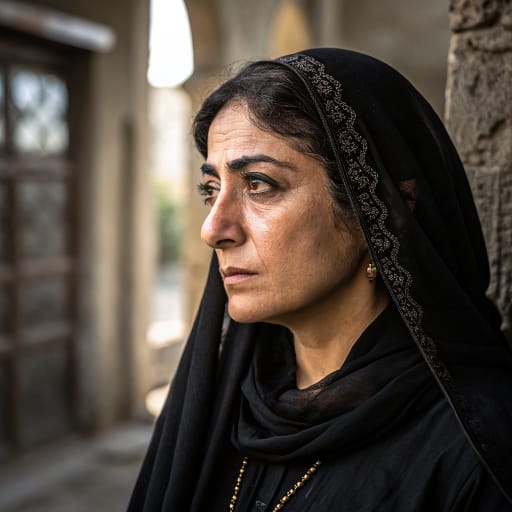
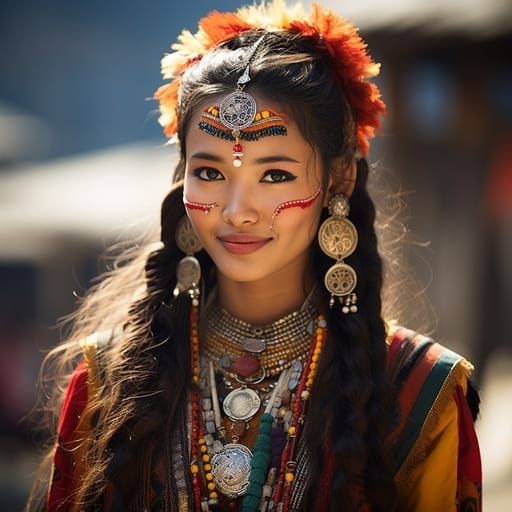
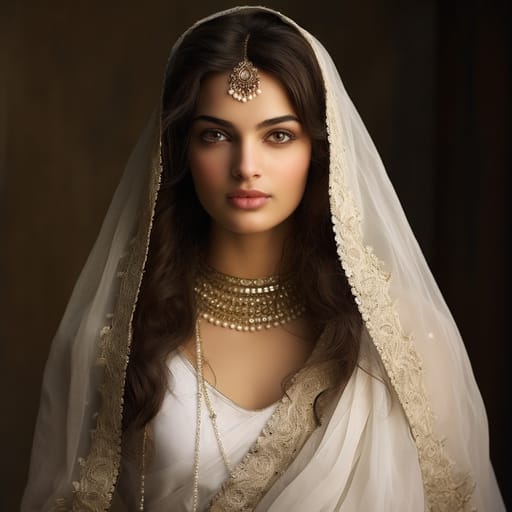
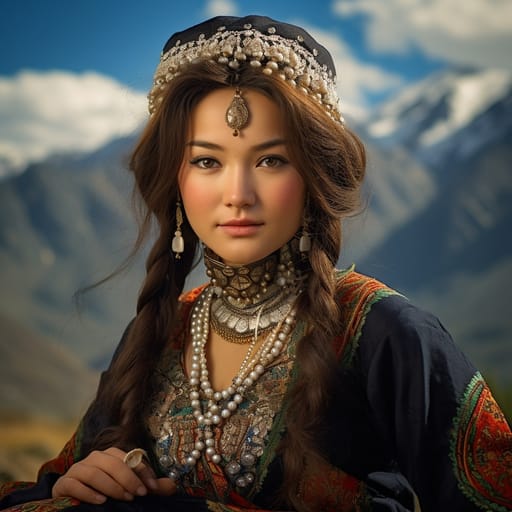
Typical Wancho Phenotypes
Reference for AI generation: hair, eyes, skin, facial structure, build
Explore phenotype categories
Structured taxonomy with peer-reviewed scales · 22 anatomical categories
Erotic Poses & Sex Positions
From the pose catalog: 219 named positions with reference skeletons
Frequently asked questions about Wancho people
Where is the Wancho homeland?
The Wancho homeland is Longding district, Arunachal Pradesh, India in Southern Asia.
What language do Wancho people speak?
Wancho people primarily speak Wancho (Sino-Tibetan, Konyak-Wancho).
What religion do Wancho people practice?
The predominant religion among Wancho people is Christianity; Rangfrah; ancestral tradition.






Make your own Wancho images
Five a day, free, no credits to buy. The studio starts from this group's phenotype data, so you can set body type, pose and style and keep the traits accurate.
Start with Wancho