No portrait yet
Mugheri Erotic
Northern Sindh, Pakistan, on the Indus plain
Sindhi (Indo-European, Indo-Aryan) in daily use; Balochi (Indo-European, Iranian) kept in some families
Sunni Islam, with strong ties to Sufi shrine devotion
One of the Baloch tribes of Sindh, organized into sections under a sardar
About Mugheri People
Mugheri is a tribal name before it is anything else. It marks a Baloch lineage in northern Sindh, Pakistan. The people who carry it use it as a surname, as a claim on kin and as a statement of loyalty to their own chief, the sardar. Sindh has many Baloch who have never lived in Balochistan, and the Mugheri are among them. Their Baloch identity comes from descent and tribal structure, not from the western hills their ancestors are said to have left.
Their history is part of a larger one. Baloch tradition places the big eastward migrations in the time of the Rind and Lashari confederacies, in the fifteenth and sixteenth centuries. In those years tribes pushed onto the Indus plain and took up land, water rights and military service. In 1783 a Baloch dynasty, the Talpur Mirs, took power in Sindh, and they ruled until the British conquest of 1843. Over those generations the settled tribes became Sindhi in speech and habit but kept their Baloch names and loyalties. Like most Baloch whose families have lived in Sindh for generations, many Mugheri speak Sindhi at home and in the market, and Balochi survives unevenly. The two languages share the Indo-Iranian branch of Indo-European but sit on opposite sides of it. Balochi is Iranian, kin to Kurdish and Persian. Sindhi is Indo-Aryan, closer to Punjabi and Gujarati.
Life follows the demands of a hard landscape. Northern Sindh is farmland watered by canals off the Indus, and it is among the hottest inhabited places on earth. The faith is Sunni Islam, practiced the way it usually is in Sindh, at the mosque and at the shrine. The urs, the death anniversary of a Sufi saint, can empty a village onto the road for days.
Tribal structure still does real work. A Mugheri belongs to a section of the tribe, the sections answer to the sardar, and fights over land, water, marriage or injury often go before a jirga of elders instead of a court. That still happens even though Pakistan's higher courts have declared such parallel hearings unlawful. The otaq, the guest room where men receive visitors, is where that authority is used. It is also where hospitality is shown, and hospitality remains an obligation, not a courtesy.
Related ethnic groups
Groups that share Mugheri's homeland, region, language, or religious tradition. These are likely candidates for comparative phenotype reference.
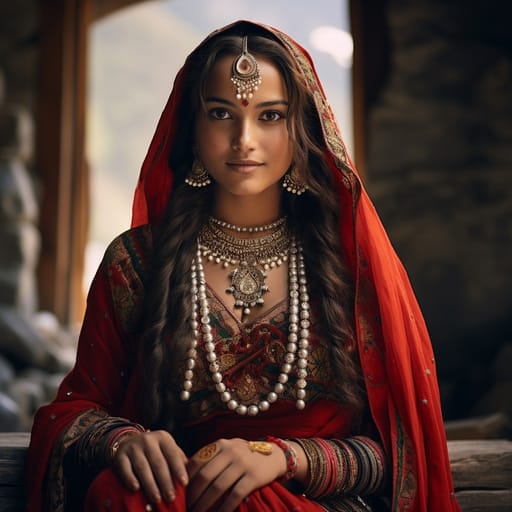
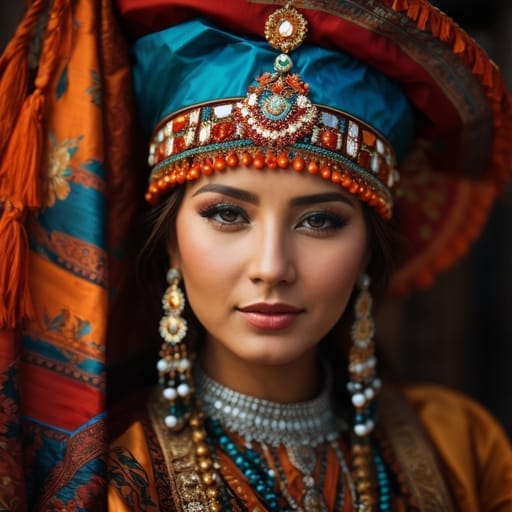
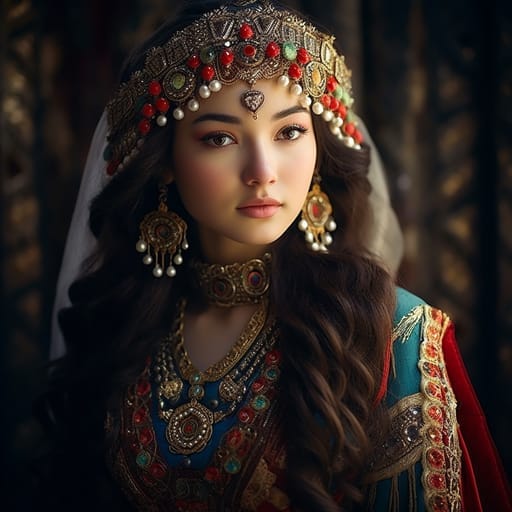
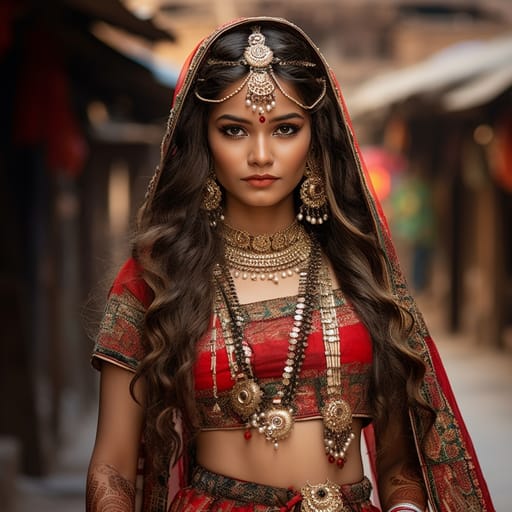
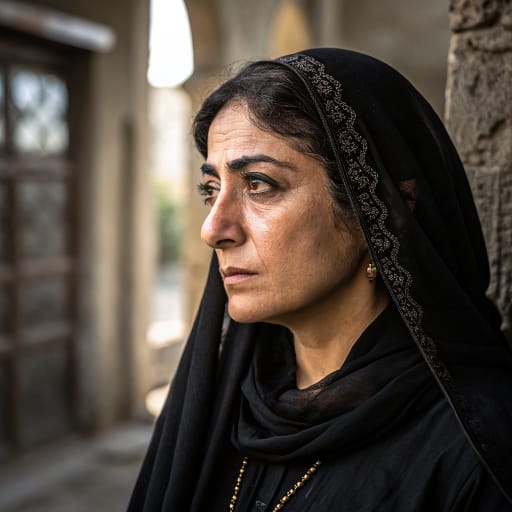
Typical Mugheri Phenotypes
Reference for AI generation: hair, eyes, skin, facial structure, build
Explore phenotype categories
Structured taxonomy with peer-reviewed scales · 22 anatomical categories
Erotic Poses & Sex Positions
From the pose catalog: 219 named positions with reference skeletons
Frequently asked questions about Mugheri people
Where is the Mugheri homeland?
The Mugheri homeland is Northern Sindh, Pakistan, on the Indus plain in Southern Asia.
What language do Mugheri people speak?
Mugheri people primarily speak Sindhi (Indo-European, Indo-Aryan) in daily use; Balochi (Indo-European, Iranian) kept in some families.
What religion do Mugheri people practice?
The predominant religion among Mugheri people is Sunni Islam, with strong ties to Sufi shrine devotion.






Make your own Mugheri images
Five a day, free, no credits to buy. The studio starts from this group's phenotype data, so you can set body type, pose and style and keep the traits accurate.
Start with Mugheri