Help us get this right
Does this portrait look right for Kurichiya?
Nobody has judged this one yet. You would be the first.
Kurichiya Erotic
Wayanad district of Kerala, India, with smaller communities in Kannur and Kozhikode districts
Kurichiya dialect of Malayalam (Dravidian)
Hinduism blended with ancestor veneration and local hill deities such as Malakkari
Adivasi Scheduled Tribe of Kerala; one of the Wayanad hill peoples alongside the Paniya, Kurumba, Adiya and Kattunayakan
About Kurichiya People
Ask someone in Wayanad about the Kurichiya and the first thing they mention is usually the bow. This hill people of northern Kerala supplied the archers who fought for Pazhassi Raja against the East India Company, and archery is still a real skill among them, not a costume piece. The second thing is the household. Kurichiya families live as large matrilineal units, several generations under one long roof, with property and belonging passed down through the mother's line and an elder managing the family's land and affairs.
They live on the plateau and along the forest edges of Wayanad, with smaller numbers in neighboring Kannur and Kozhikode. Several of their Adivasi neighbors were pushed into landless or bonded labor. The Kurichiya, by contrast, have long been settled rice farmers working their own paddy fields, and they held a relatively high standing among the district's tribes. They speak their own dialect of Malayalam, a Dravidian language, in a district that borders Kannada-speaking Karnataka, and where nearby tribal communities keep speech of their own.
Their religion is Hindu in outline and local in practice. Families honor their ancestors and the hill deities, above all Malakkari, a hunter god linked to Shiva, and ritual life follows the farming year. What outsiders noticed most was the Kurichiya code of purity. Contact with members of other communities once called for a cleansing bath, and anyone who broke the rules could be cast out of the family. That strictness earned them the name Mala Brahmins, or hill Brahmins.
Their history turned sharply under British rule. Kurichiya fighters were central to Pazhassi Raja's guerrilla war in the Wayanad forests at the turn of the nineteenth century. Their commander, Thalakkal Chandu, led the 1802 attack that captured the Company's fort at Panamaram, and he was later caught and executed. In 1812 the Kurichiya rose again, alongside the Kurumba, against revenue demands that had to be paid in cash. The British crushed that revolt by force.
Today most Kurichiya mix farming with schooling, salaried jobs and the state's reserved places for tribal communities. The big joint households are thinning out as younger couples set up homes of their own. Still, the bow and the memory of Panamaram remain points of pride, and they are how the community tends to introduce itself.
Related ethnic groups
Groups that share Kurichiya's homeland, region, language, or religious tradition. These are likely candidates for comparative phenotype reference.
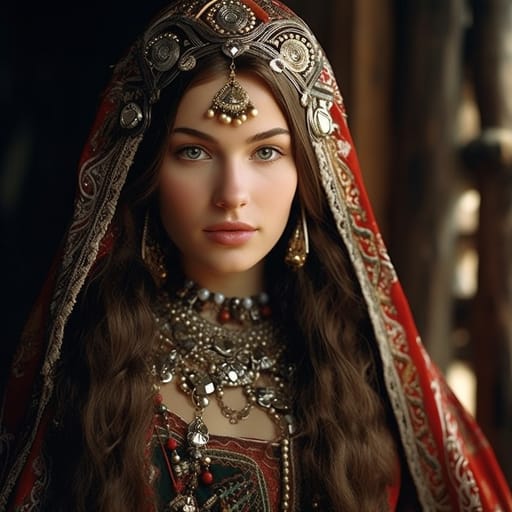
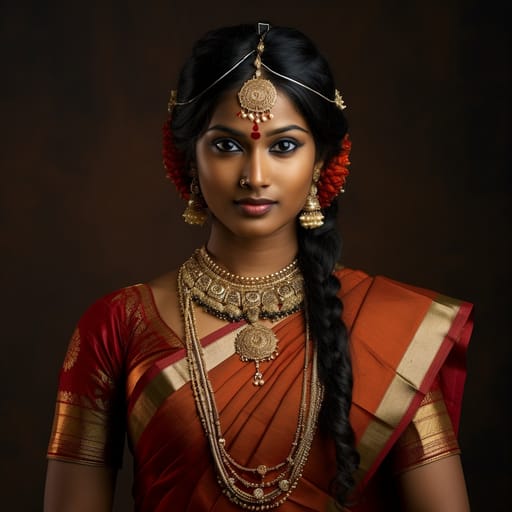
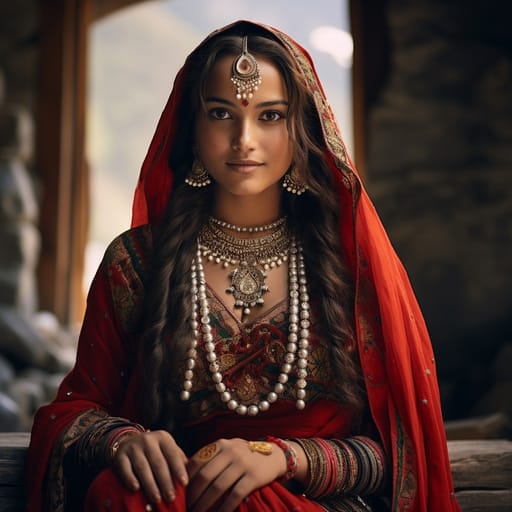
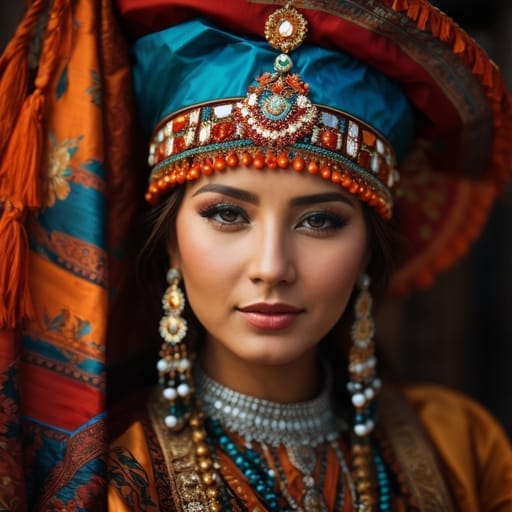
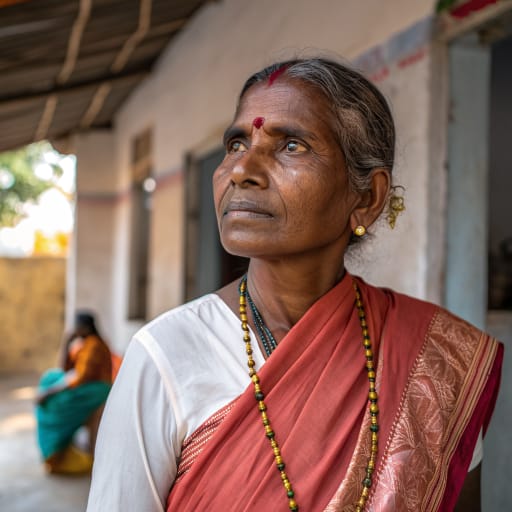
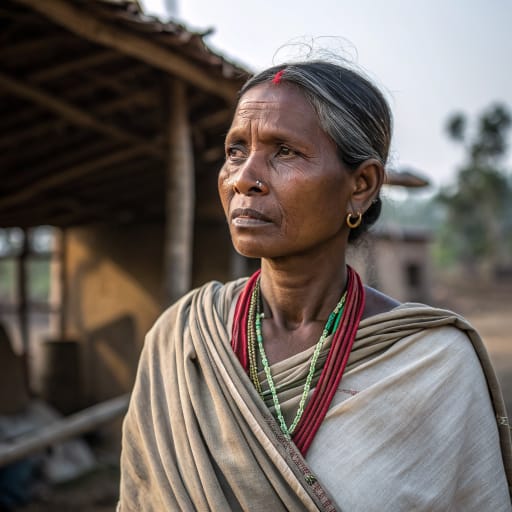
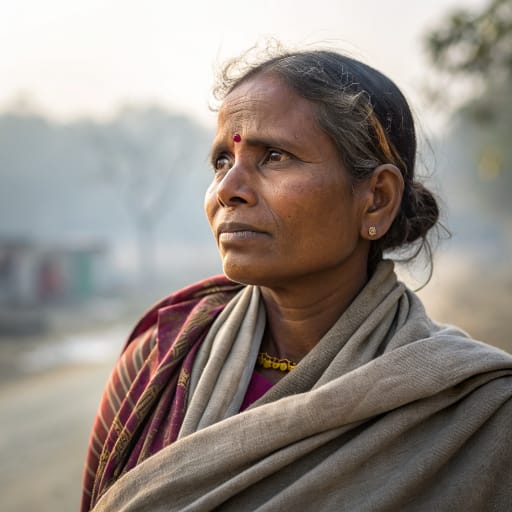
Typical Kurichiya Phenotypes
Reference for AI generation: hair, eyes, skin, facial structure, build
Explore phenotype categories
Structured taxonomy with peer-reviewed scales · 22 anatomical categories
Erotic Poses & Sex Positions
From the pose catalog: 219 named positions with reference skeletons
Frequently asked questions about Kurichiya people
Where is the Kurichiya homeland?
The Kurichiya homeland is Wayanad district of Kerala, India, with smaller communities in Kannur and Kozhikode districts in Southern Asia.
What language do Kurichiya people speak?
Kurichiya people primarily speak Kurichiya dialect of Malayalam (Dravidian).
What religion do Kurichiya people practice?
The predominant religion among Kurichiya people is Hinduism blended with ancestor veneration and local hill deities such as Malakkari.






Make your own Kurichiya images
Five a day, free, no credits to buy. The studio starts from this group's phenotype data, so you can set body type, pose and style and keep the traits accurate.
Start with Kurichiya