No portrait yet
Ghale Erotic
Northern Gorkha District in central Nepal, especially Barpak and the Budhi Gandaki valley, with communities in neighboring hill districts such as Lamjung.
Ghale (Sino-Tibetan, branch debated, often grouped near Tamangic), with Northern, Southern and Kutang varieties; Gurung (Sino-Tibetan) and Nepali (Indo-Aryan) widely spoken.
Mainly Buddhist, closest to Tibetan practice in upper villages, blended with shamanic and ancestral practices and some Hindu observance.
Counted as one of the four senior Gurung clans (char jat), though many assert a separate Ghale identity; language split into Northern, Southern and Kutang Ghale.
About Ghale People
Ghale is a name that works on two levels at once. In the hill country of northern Gorkha District in central Nepal, Ghale families are a people you can recognize, with a language of their own and a long memory of having once been in charge. Among the Gurung, Ghale is also one of the four senior clans, the char jat. Plenty of Ghale call themselves Gurung without a second thought, while others argue for a separate Ghale identity. The memory of rule comes from real history. Before the Shah dynasty took Gorkha in the sixteenth century, Ghale chiefs held small territories in the Gorkha and Lamjung hills. Gorkha later became the base from which the Shahs conquered the valleys that make up Nepal, and local tradition still talks about the Ghale kings, or rajas, whom the Shahs pushed aside. The Ghale language belongs to the Sino-Tibetan family, but linguists have never agreed on exactly where it fits. It usually gets discussed next to the Tamangic languages, which include Gurung and Tamang, without sitting neatly among them. It has northern, southern and Kutang varieties, and Kutang is spoken up the Budhi Gandaki valley toward Nubri. The language is losing ground: Nepali is the language of school, government and trade, and many Ghale households now speak Gurung or Nepali at home.
Religious life leans Buddhist, and it looks most like Tibetan practice in the upper Budhi Gandaki villages, where Buddhist monasteries and prayer flags line the trail. That Buddhism sits on top of older shamanic and ancestral practices, along with some Hindu observance picked up from the wider hill culture. Then there is soldiering. Like their Gurung neighbors, Ghale men have served for generations in the Gurkha regiments of the British and Indian armies, and army pensions and wages from abroad have long shaped the economy of villages like Barpak. Gaje Ghale, born in Barpak, won the Victoria Cross in Burma in 1943. Barpak became known for a darker reason in April 2015, when the Gorkha earthquake hit with its epicenter close by and destroyed most of the houses in the village. It was rebuilt slowly. Today its families, like Ghale families across the region, split their lives between the ridges, Kathmandu and jobs overseas.
Related ethnic groups
Groups that share Ghale's homeland, region, language, or religious tradition. These are likely candidates for comparative phenotype reference.
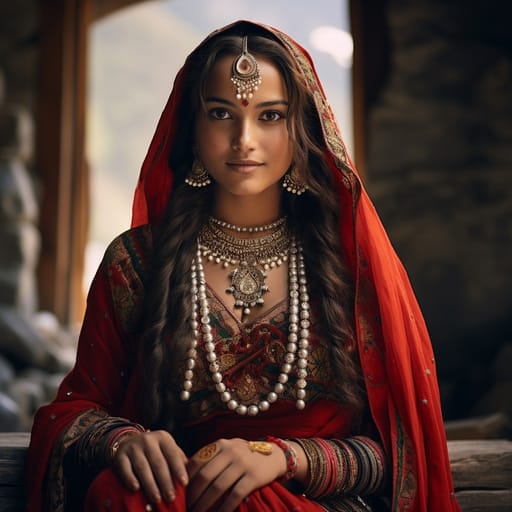
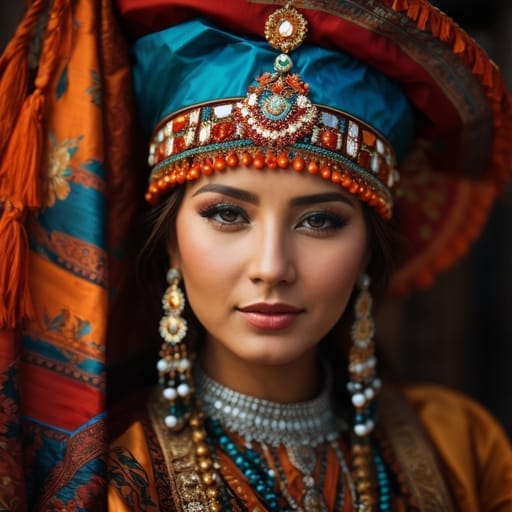
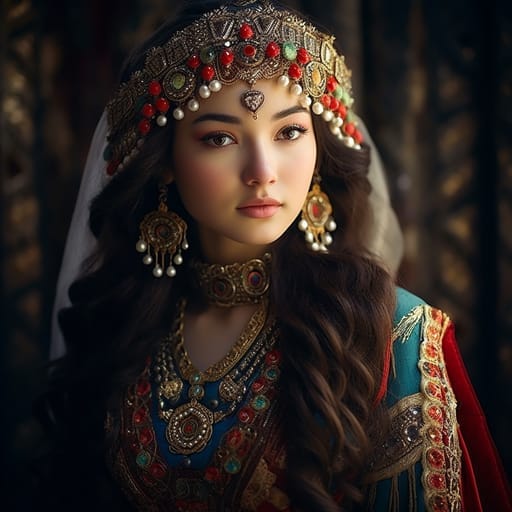
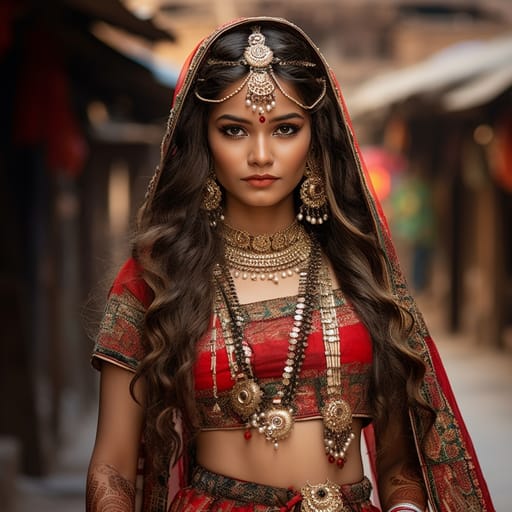
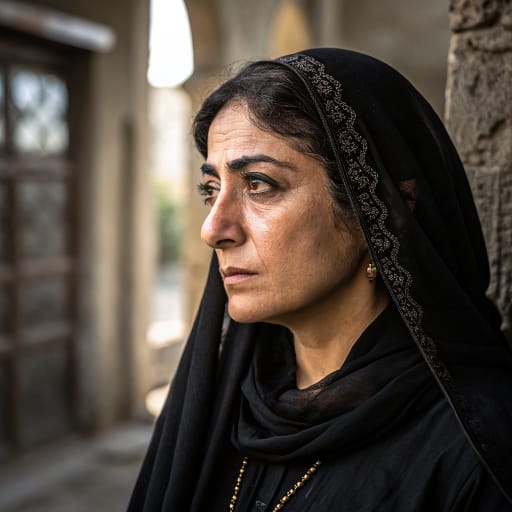
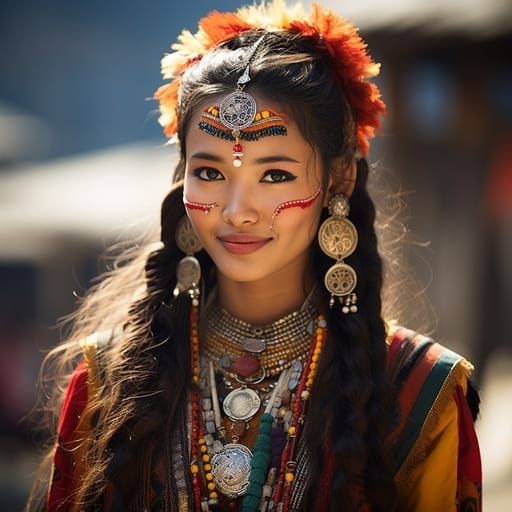
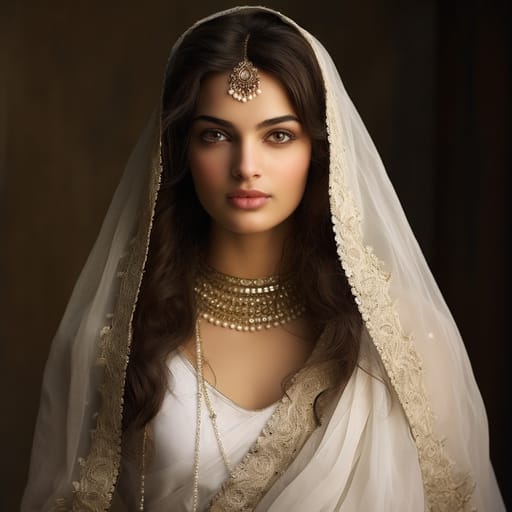
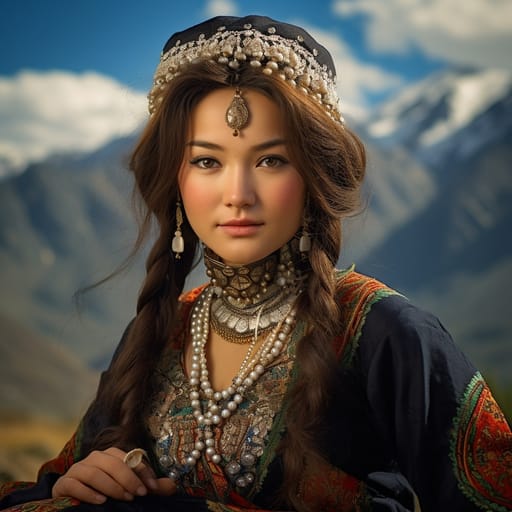
Typical Ghale Phenotypes
Reference for AI generation: hair, eyes, skin, facial structure, build
Explore phenotype categories
Structured taxonomy with peer-reviewed scales · 22 anatomical categories
Erotic Poses & Sex Positions
From the pose catalog: 219 named positions with reference skeletons
Frequently asked questions about Ghale people
Where is the Ghale homeland?
The Ghale homeland is Northern Gorkha District in central Nepal, especially Barpak and the Budhi Gandaki valley, with communities in neighboring hill districts such as Lamjung. in Southern Asia.
What language do Ghale people speak?
Ghale people primarily speak Ghale (Sino-Tibetan, branch debated, often grouped near Tamangic), with Northern, Southern and Kutang varieties; Gurung (Sino-Tibetan) and Nepali (Indo-Aryan) widely spoken..
What religion do Ghale people practice?
The predominant religion among Ghale people is Mainly Buddhist, closest to Tibetan practice in upper villages, blended with shamanic and ancestral practices and some Hindu observance..






Make your own Ghale images
Five a day, free, no credits to buy. The studio starts from this group's phenotype data, so you can set body type, pose and style and keep the traits accurate.
Start with Ghale