Help us get this right
Does this portrait look right for Gabol?
Nobody has judged this one yet. You would be the first.
Gabol Erotic
Sindh, especially Karachi, and Balochistan, Pakistan
Balochi (Indo-European, Iranian); many also speak Sindhi and Urdu (Indo-European, Indo-Aryan)
Islam, mostly Sunni
One of the Baloch tribes of Sindh and Balochistan, part of the wider Baloch people
About Gabol People
The Gabol are a Baloch tribe, and like other Baloch tribes they are defined first by name and descent. You are Gabol because your father was. The tribal name is carried as a surname, which is why it shows up so often in local newspapers and on election ballots in Sindh. Most Gabol live in Sindh, especially in the city of Karachi, and there are also families in Balochistan, the province named for the Baloch.
The Baloch moved east into the Indus valley over several centuries as herders, soldiers and settlers. By the late eighteenth century a Baloch dynasty, the Talpurs, ruled Sindh, and they held it until the British conquered the province in 1843. Tribes like the Gabol settled into that world and stayed. In Karachi the name is linked with Lyari, one of the oldest parts of the city. Lyari grew up beside the port as a Baloch working-class quarter and is still known for its football and boxing. The Gabol name has long been prominent in the neighborhood's politics, and members of the tribe have sat in Pakistan's assemblies.
Language shows how Baloch identity works in Sindh. Balochi is an Iranian language, closer to Kurdish and Persian than to Sindhi or Urdu, which come from the Indo-Aryan branch. Some Gabol households speak Balochi. Others, settled in Sindh for generations, speak Sindhi at home, and in Karachi Urdu is the everyday shared language. None of that makes a family less Baloch. Belonging rests on lineage and the tribe, not on the language spoken at dinner.
Islam, mostly in its Sunni form, shapes the calendar: Friday prayers, the Ramadan fast, the two Eids. In Sindh it sits alongside a strong custom of visiting Sufi shrines. Social life follows the Baloch code of honor. That means generous hospitality, protection for anyone who asks for refuge, and settling disputes through elders rather than courts where possible. One custom outsiders rarely notice is the hal. When Baloch men meet, each side takes a turn reporting news of family, health and recent events before any other talk begins.
Related ethnic groups
Groups that share Gabol's homeland, region, language, or religious tradition. These are likely candidates for comparative phenotype reference.
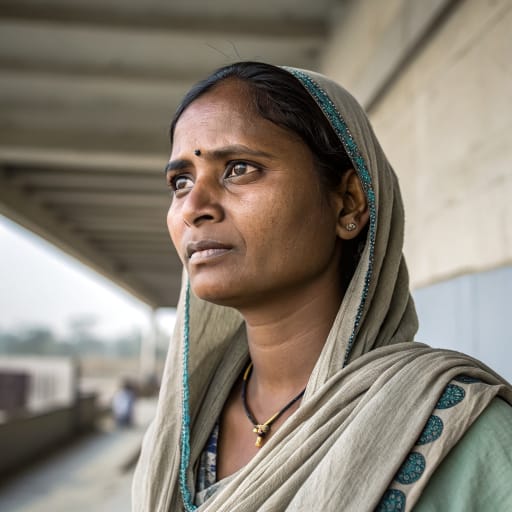
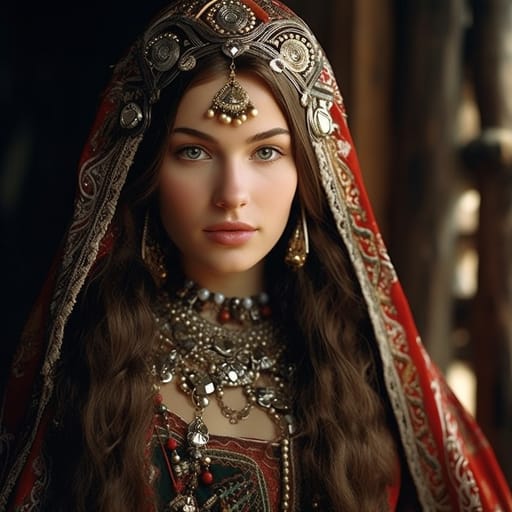
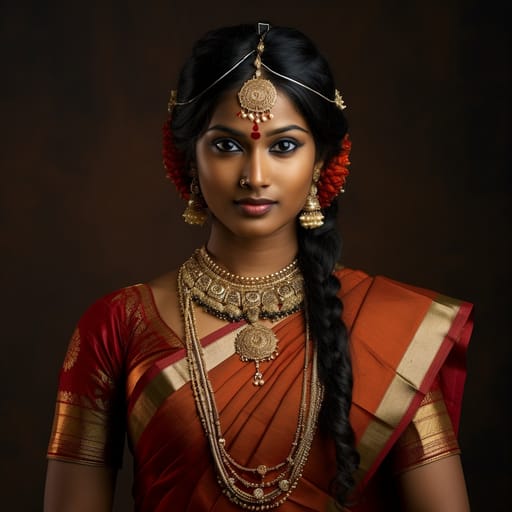
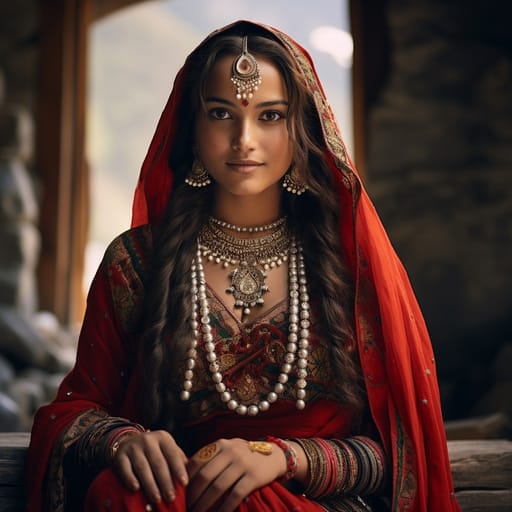
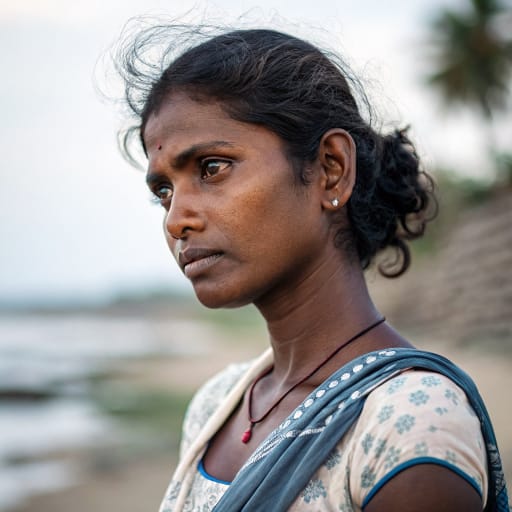
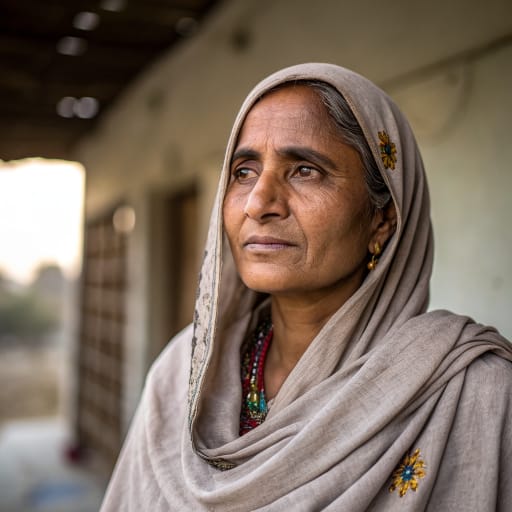
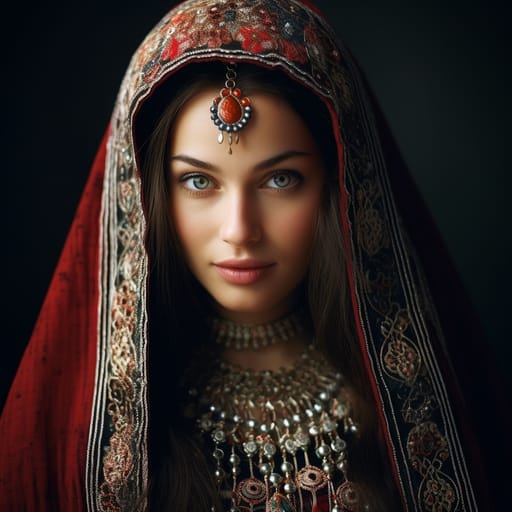
Typical Gabol Phenotypes
Reference for AI generation: hair, eyes, skin, facial structure, build
Explore phenotype categories
Structured taxonomy with peer-reviewed scales · 22 anatomical categories
Erotic Poses & Sex Positions
From the pose catalog: 219 named positions with reference skeletons
Frequently asked questions about Gabol people
Where is the Gabol homeland?
The Gabol homeland is Sindh, especially Karachi, and Balochistan, Pakistan in Southern Asia.
What language do Gabol people speak?
Gabol people primarily speak Balochi (Indo-European, Iranian); many also speak Sindhi and Urdu (Indo-European, Indo-Aryan).
What religion do Gabol people practice?
The predominant religion among Gabol people is Islam, mostly Sunni.






Make your own Gabol images
Five a day, free, no credits to buy. The studio starts from this group's phenotype data, so you can set body type, pose and style and keep the traits accurate.
Start with Gabol