Help us get this right
Does this portrait look right for Hayu?
Nobody has judged this one yet. You would be the first.
Hayu Erotic
Middle hills of east-central Nepal along the Sunkoshi river, mainly Ramechhap and Sindhuli districts, with smaller communities in Kavrepalanchok and Udayapur
Hayu, also Vayu or Wayu (Sino-Tibetan, Kiranti branch, closest to Sunuwar); endangered, with Nepali now the everyday language for most
Kirat Mundhum ancestral tradition layered with Hinduism; many identify as Kirat, others as Hindu
One of the Kirat peoples of Nepal, alongside Rai, Limbu, Sunuwar and Yakkha; recognized by the state as an endangered indigenous nationality (Adivasi Janajati)
About Hayu People
The Hayu are one of the smallest of Nepal's Kirat peoples, a hill community of a few thousand whose identity rests on two things: a language almost no one outside the group has heard, and a firm claim to the same ancient Kirat lineage as the far larger Rai and Limbu. Where the Rai and Limbu count in the hundreds of thousands, the Hayu count in villages. That scale shapes everything about them. The Nepali state lists them among its indigenous nationalities and places them in the "endangered" tier, which reads less as a statistic than as a description of how the group experiences itself.
Their homeland is the middle hills of east-central Nepal, a pocket along the Sunkoshi river where Ramechhap and Sindhuli districts meet, with smaller settlements in Kavrepalanchok and Udayapur. It is steep, terraced, subsistence country: maize and millet on the slopes, a few animals, and a household economy that has sent younger people to Kathmandu and the Gulf like everyone else in the hills. The Hayu language, also written Vayu or Wayu, belongs to the Kiranti branch of the Sino-Tibetan family and sits closest to Sunuwar, spoken in the same stretch of hills. The British scholar Brian Houghton Hodgson published a vocabulary and grammar sketch of it in the late 1850s, and the French linguist Boyd Michailovsky gave it a full modern description in the 1980s. Today it survives mainly among older speakers. Most Hayu households run on Nepali, and the language is a marker of belonging more than a tool of daily life.
In religion the Hayu follow Kirat Mundhum, the oral ancestral tradition shared across the Kirat groups: household and lineage spirits are honored through a ritual specialist, harvest and seasonal rites mark the year, and nature is addressed directly rather than through temples. Centuries inside a Hindu kingdom have layered Dashain and Tihar over the older calendar, and many Hayu tick Hindu on census forms while keeping ancestral rites at home. Choosing to be counted as Kirat instead has become a small political act, part of the wider Kirat push for recognition that gathered force after Nepal became a republic in 2008. What sets the Hayu apart within that movement is simply persistence: a people small enough to be overlooked who have kept a name, a language and a ritual calendar since the eastern hills were folded into the Gorkha kingdom in the late eighteenth century.
Related ethnic groups
Groups that share Hayu's homeland, region, language, or religious tradition. These are likely candidates for comparative phenotype reference.

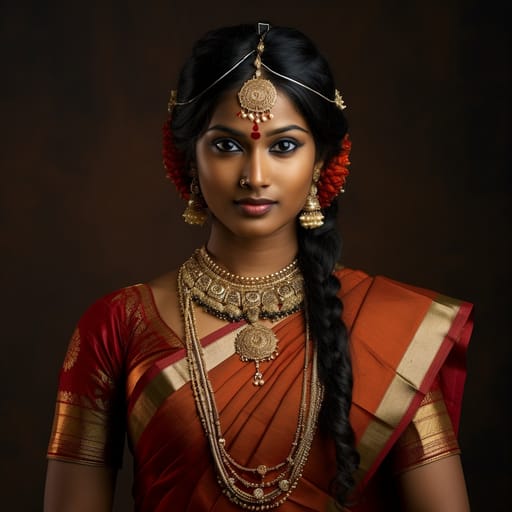
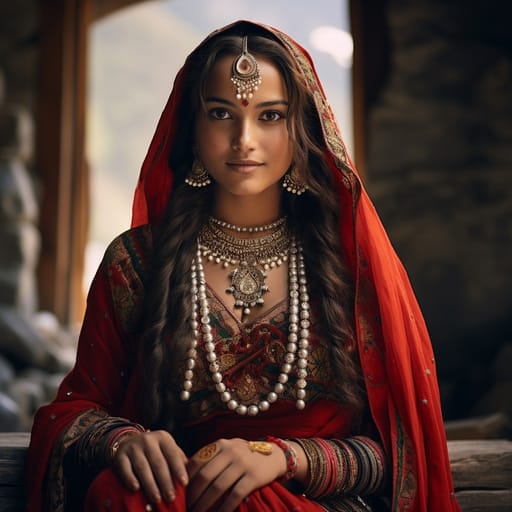
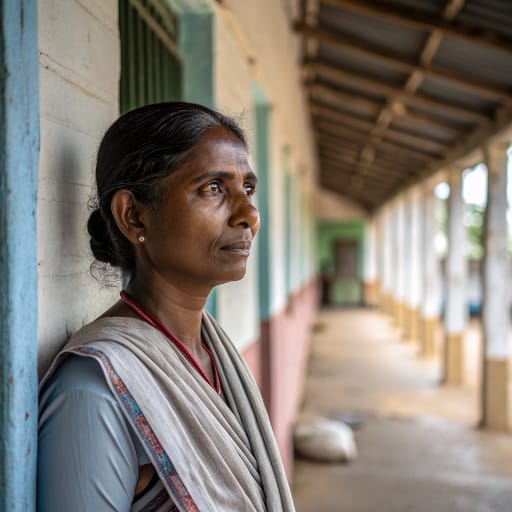
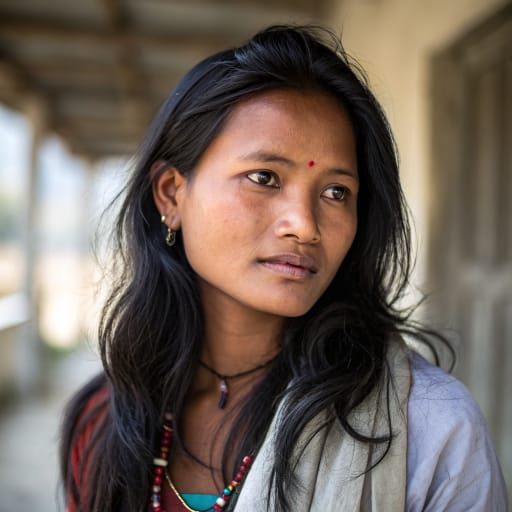
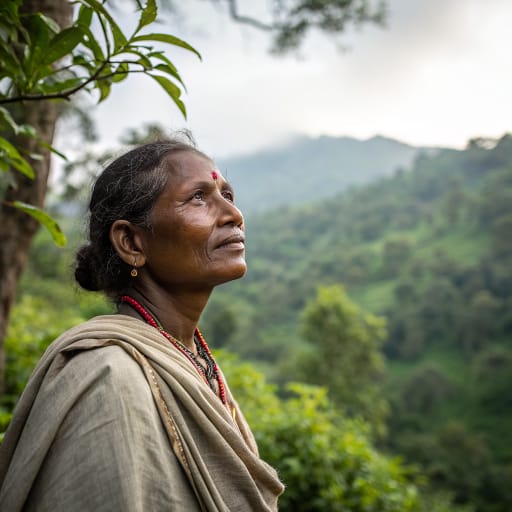
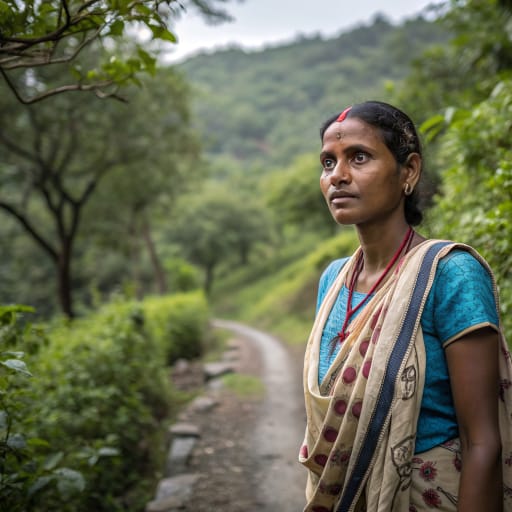
Typical Hayu Phenotypes
Reference for AI generation: hair, eyes, skin, facial structure, build
Explore phenotype categories
Structured taxonomy with peer-reviewed scales · 22 anatomical categories
Erotic Poses & Sex Positions
From the pose catalog: 219 named positions with reference skeletons
Frequently asked questions about Hayu people
Where is the Hayu homeland?
The Hayu homeland is Middle hills of east-central Nepal along the Sunkoshi river, mainly Ramechhap and Sindhuli districts, with smaller communities in Kavrepalanchok and Udayapur in Southern Asia.
What language do Hayu people speak?
Hayu people primarily speak Hayu, also Vayu or Wayu (Sino-Tibetan, Kiranti branch, closest to Sunuwar); endangered, with Nepali now the everyday language for most.
What religion do Hayu people practice?
The predominant religion among Hayu people is Kirat Mundhum ancestral tradition layered with Hinduism; many identify as Kirat, others as Hindu.






Make your own Hayu images
Five a day, free, no credits to buy. The studio starts from this group's phenotype data, so you can set body type, pose and style and keep the traits accurate.
Start with Hayu