No portrait yet
Mizo Erotic
Mizoram in northeast India, with related communities in Chin State, Myanmar and the Chittagong Hill Tracts, Bangladesh.
Mizo, also called Lushai (Kuki-Chin branch of Tibeto-Burman, Sino-Tibetan), written in Latin script; clan dialects such as Hmar, Paite, Lai and Mara are still spoken.
Overwhelmingly Christian, Presbyterian in the north and Baptist in the south, with a small Bnei Menashe community practicing Judaism and scattered survivals of the older Pathian-centered religion.
An umbrella identity covering the Lusei, Hmar, Paite, Ralte, Lai (Pawi) and Mara (Lakher) clans, within the wider Zo or Chin-Kuki-Mizo family.
About Mizo People
The name is a description of terrain as much as of people: mi for person, zo for the high cold country, so Mizo means roughly highlanders. It covers a set of clans rather than one tribe. The Lusei, Hmar, Paite, Ralte, Lai and Mara moved north and west out of the Chin Hills over several centuries and settled the long parallel ridges of what is now Mizoram, in India's far northeast, with kin still living across the borders in Myanmar and Bangladesh. The country is steep, thickly forested, and cut into strips by its rivers. Villages sit on ridge tops rather than in the valleys, which tells you most of what you need to know about the old security situation. The common language, Mizo, comes from the Lusei clan and belongs to the Kuki-Chin branch of Tibeto-Burman, close enough to its neighbors that a speaker can usually reach across a dialect, far enough that the clans have never simply merged. It is written in a Latin alphabet worked out by two Welsh missionaries in 1894, and that alphabet turned out to be one of the more consequential things that ever happened here.
Conversion followed fast and nearly complete: Presbyterian in the north, Baptist in the south, church membership working less as private belief than as civic infrastructure. Sundays in Aizawl are genuinely quiet. Choirs are competitive. The Young Mizo Association, open to almost anyone, runs funerals, mends roads and enforces a good deal of local order. Underneath the Christianity sits an older ethic, tlawmngaihna, which has no clean English equivalent: an obligation to be useful, hospitable and uncomplaining, to take the harder share without announcing it. It was once drilled into boys in the zawlbuk, the bachelors' dormitory at the center of every village, long since gone. The twentieth century here turned on a bamboo. Melocanna baccifera flowers roughly every forty eight years, rats gorge on the seed and then on the rice, and the famine that follows, mautam, arrived in 1959 to official indifference. The relief committee formed to meet it became the Mizo National Front, which declared independence in 1966 and drew air strikes on Aizawl, the only time India has used air power against its own citizens on its own soil. Twenty years of insurgency ended with the 1986 accord, the guerrilla leader became chief minister, and the state has been among India's calmer corners since. Chapchar Kut still marks the burning of the fields in spring, and cheraw, the bamboo dance, still requires trusting whoever is clapping the poles.
Related ethnic groups
Groups that share Mizo's homeland, region, language, or religious tradition. These are likely candidates for comparative phenotype reference.
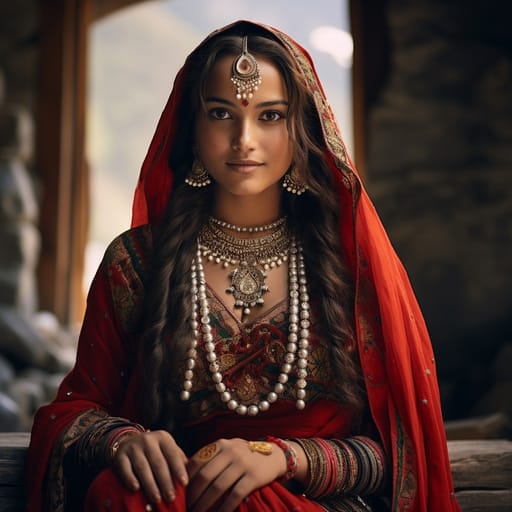
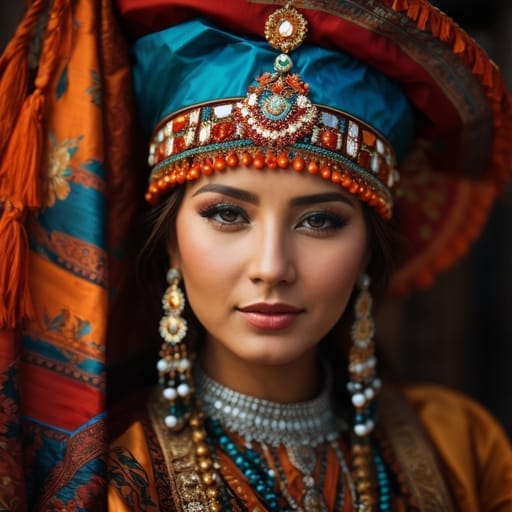
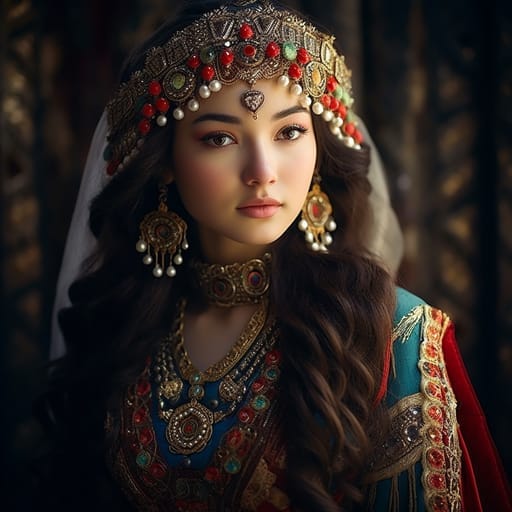
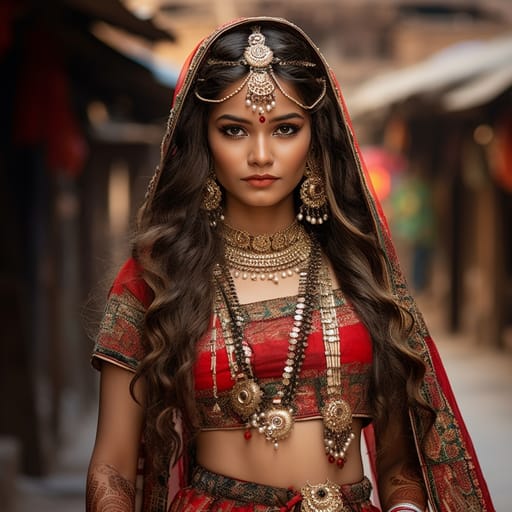
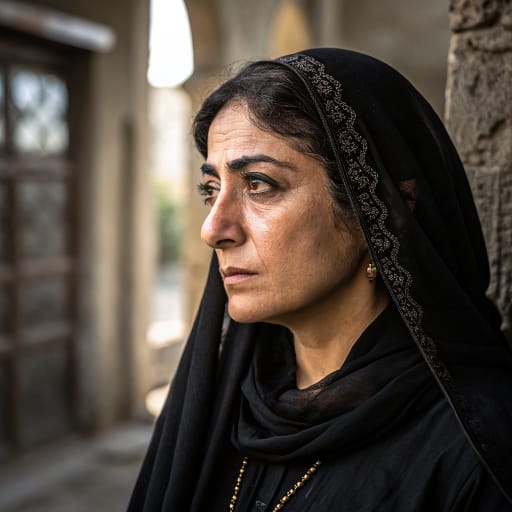
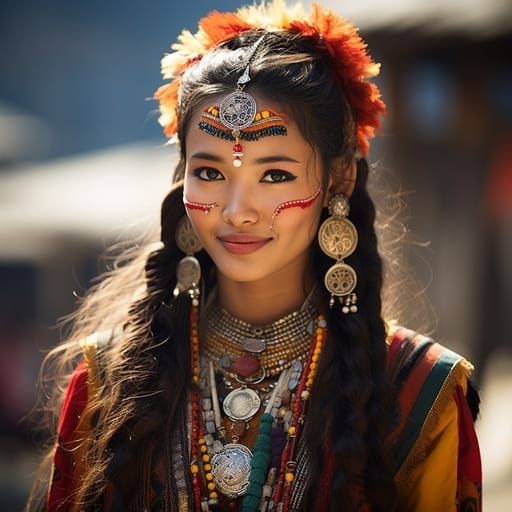
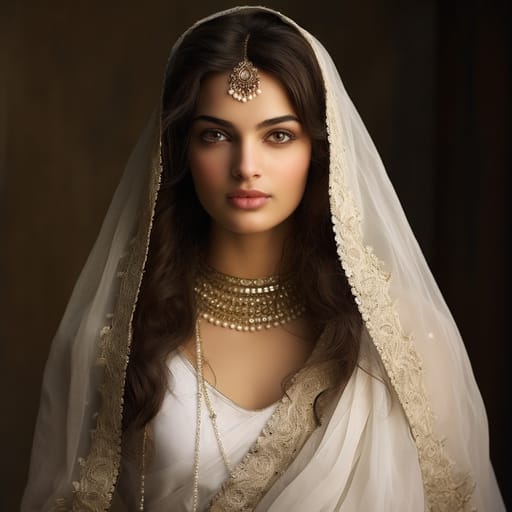
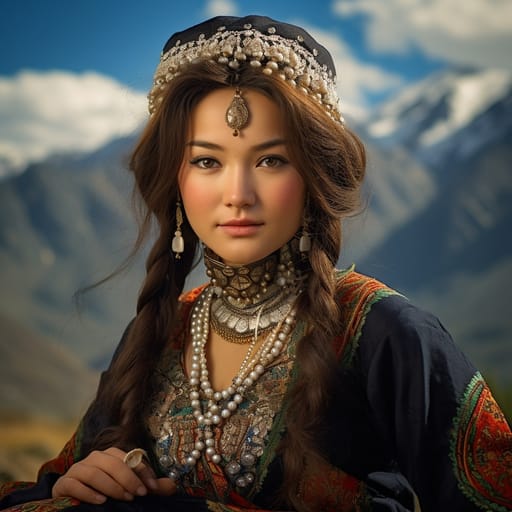
Typical Mizo Phenotypes
Reference for AI generation: hair, eyes, skin, facial structure, build
Explore phenotype categories
Structured taxonomy with peer-reviewed scales · 22 anatomical categories
Erotic Poses & Sex Positions
From the pose catalog: 219 named positions with reference skeletons
Frequently asked questions about Mizo people
Where is the Mizo homeland?
The Mizo homeland is Mizoram in northeast India, with related communities in Chin State, Myanmar and the Chittagong Hill Tracts, Bangladesh. in Southern Asia.
What language do Mizo people speak?
Mizo people primarily speak Mizo, also called Lushai (Kuki-Chin branch of Tibeto-Burman, Sino-Tibetan), written in Latin script; clan dialects such as Hmar, Paite, Lai and Mara are still spoken..
What religion do Mizo people practice?
The predominant religion among Mizo people is Overwhelmingly Christian, Presbyterian in the north and Baptist in the south, with a small Bnei Menashe community practicing Judaism and scattered survivals of the older Pathian-centered religion..






Make your own Mizo images
Five a day, free, no credits to buy. The studio starts from this group's phenotype data, so you can set body type, pose and style and keep the traits accurate.
Start with Mizo