No portrait yet
Yimchunger Erotic
Eastern Nagaland, India: Shamator, Kiphire and Tuensang districts, near the Myanmar border
Yimchungrü (Sino-Tibetan, Central Naga); Nagamese and English as lingua francas
Predominantly Baptist Christian; earlier animist traditions survive in festivals and custom
One of the Naga tribes of Nagaland; the Tikhir were formerly counted as a Yimkhiung sub-group; member tribe of the Eastern Nagaland Peoples' Organisation
About Yimchunger People
Yimkhiung villages hold the steep, forested ridges of eastern Nagaland, around Shamator, Pungro and Kiphire and up toward the Myanmar border. The tribe is one of the recognized Naga peoples of the state. Yimchunger is the older spelling that still turns up in census tables and government lists. The community itself increasingly uses Yimkhiung, the name its tribal council carries. Every neighbor is another Naga people, among them the Sangtam, Sumi, Chang and Khiamniungan. Much of Yimkhiung identity is worked out against those neighbors, in village boundaries, shared markets, church bodies and district politics.
Their language, Yimchungrü, is Sino-Tibetan and belongs to the Central Naga cluster alongside Ao, Lotha and Sangtam. Nagamese, the Assamese-based trade language, and English carry conversation across tribal lines, while Yimchungrü remains the language of home and village. The Tikhir were long counted as a Yimkhiung sub-group and speak a closely related variety, but they now organize as a tribe in their own right. That split is a reminder that Naga tribal boundaries are still being negotiated.
Like most Naga peoples, the Yimkhiung are overwhelmingly Baptist Christian, and the church sets the rhythm of the week with services, choirs and youth fellowships. Christianity arrived relatively late, since these eastern hills sat at the far edge of colonial and missionary reach. Older customs tied to the farming year were folded into community life rather than simply dropped. Metemneo, the harvest festival held in August, is the main public occasion: feasting, songs, and dancers in woven shawls and festival ornaments.
The larger political story belongs to eastern Nagaland as a whole. The Tuensang area was run as a separate frontier division until 1957, then joined the Naga Hills in what became the state of Nagaland in 1963. A lasting grievance followed, that roads, schools and jobs lagged behind the west of the state. The Yimkhiung are a member tribe of the Eastern Nagaland Peoples' Organisation, which has pressed for a separate Frontier Nagaland state. Farming, much of it jhum cultivation on cleared hillsides, still anchors village life, and Mount Saramati, the highest peak in Nagaland, rises on the border above Kiphire district.
Related ethnic groups
Groups that share Yimchunger's homeland, region, language, or religious tradition. These are likely candidates for comparative phenotype reference.
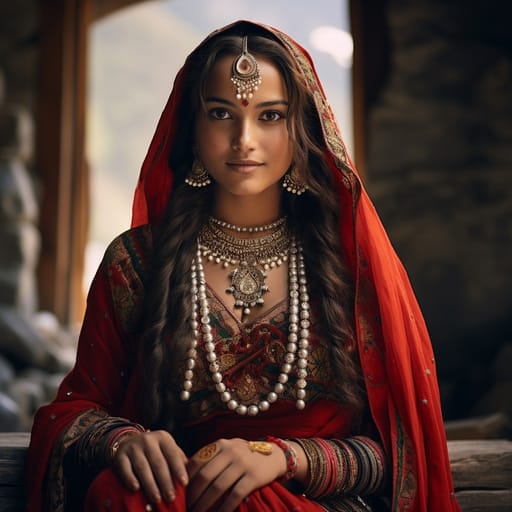
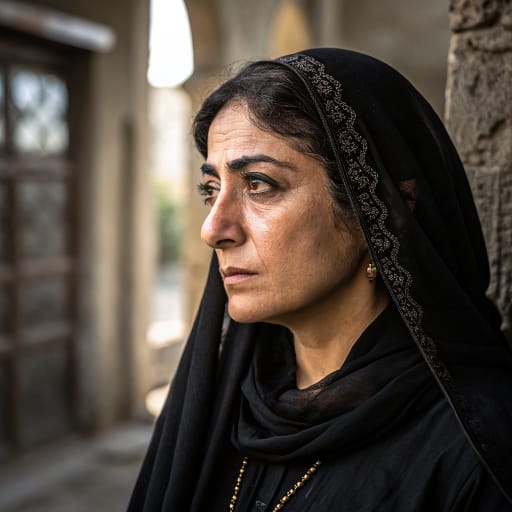
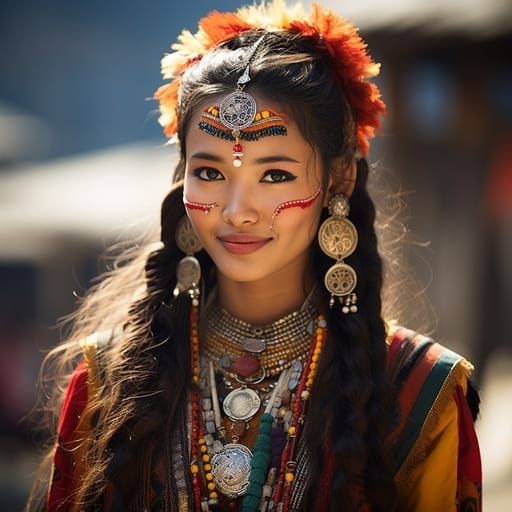
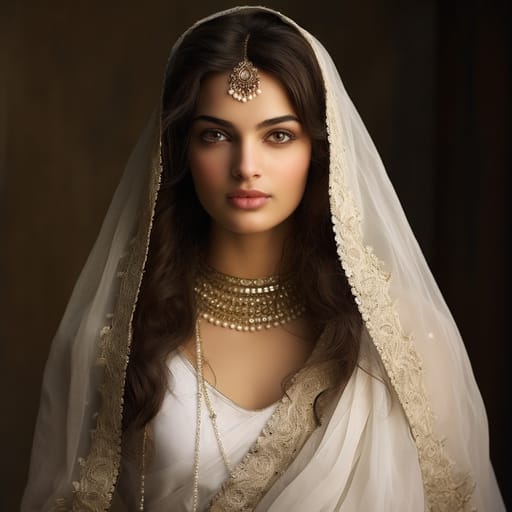
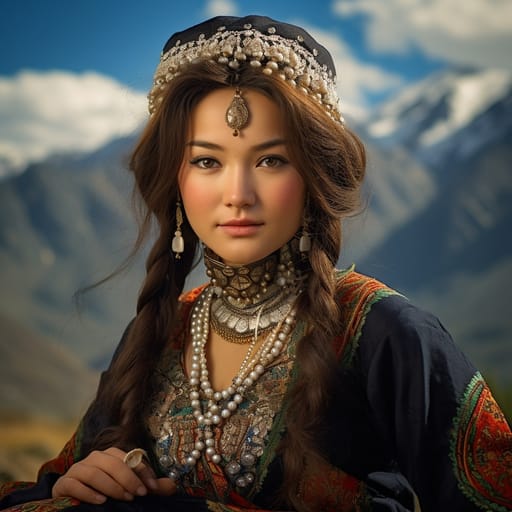
Typical Yimchunger Phenotypes
Reference for AI generation: hair, eyes, skin, facial structure, build
Explore phenotype categories
Structured taxonomy with peer-reviewed scales · 22 anatomical categories
Erotic Poses & Sex Positions
From the pose catalog: 219 named positions with reference skeletons
Frequently asked questions about Yimchunger people
Where is the Yimchunger homeland?
The Yimchunger homeland is Eastern Nagaland, India: Shamator, Kiphire and Tuensang districts, near the Myanmar border in Southern Asia.
What language do Yimchunger people speak?
Yimchunger people primarily speak Yimchungrü (Sino-Tibetan, Central Naga); Nagamese and English as lingua francas.
What religion do Yimchunger people practice?
The predominant religion among Yimchunger people is Predominantly Baptist Christian; earlier animist traditions survive in festivals and custom.






Make your own Yimchunger images
Five a day, free, no credits to buy. The studio starts from this group's phenotype data, so you can set body type, pose and style and keep the traits accurate.
Start with Yimchunger