No portrait yet
Paite Erotic
Churachandpur (Lamka) district of Manipur and parts of Mizoram, India, with ancestral roots in the Tedim area of Chin State, Myanmar
Paite (Sino-Tibetan, Kuki-Chin); many also speak Mizo, Meitei and English
Predominantly Protestant Christian, mostly Baptist and Presbyterian; traditional spirit religion before the twentieth century
A branch of the Zo (Zomi) or Kuki-Chin peoples, closely related to the Tedim, Simte, Zou and Vaiphei; organized in clans such as Guite, Tonsing, Valte and Samte
About Paite People
The Paite carry their history in their name. Pai means to go and te marks a plural, so the word is usually read as "the people who went." It remembers the families who left the Chin Hills of what is now Myanmar and settled the ridges and valleys of Manipur and Mizoram. Many clan histories trace back to Ciimnuai, near Tedim, and that shared origin still counts for a lot. The Paite see themselves as one branch of the wider Zo family, close kin to the Tedim, Simte, Zou and Vaiphei, and many use Zomi as a wider identity alongside their own name.
Today most Paite live in Churachandpur district in southern Manipur, whose main town they call Lamka, and there are more communities in Mizoram. Their language belongs to the Kuki-Chin branch of Sino-Tibetan and is so close to Tedim that speakers of the two understand each other with little effort. Most Paite also use Mizo, Meitei or English for school, trade and government, and Paite itself is written in a Roman alphabet that came in with mission work.
Christianity reshaped Paite life within a few generations. Before missionaries arrived in the early twentieth century, villages were organized around hereditary chiefs, shifting hill farming, and priests who made offerings to the spirits believed to govern illness and harvest. Now the community is overwhelmingly Protestant, mostly Baptist and Presbyterian, and in most places the church is the busiest institution: it runs youth wings, choirs, relief drives and the calendar of weddings and funerals. Older habits survive inside that frame. Clan names such as Guite, Tonsing, Valte and Samte still organize kinship. The old custom of lawm, groups of young people who took turns working each other's fields, lives on in the way neighbors turn out for a house build or a burial.
Recent decades have been hard. In 1997 and 1998, fighting between Paite and Thadou-Kuki groups around Churachandpur killed hundreds and drove thousands from their villages, a break between close neighbors that is still remembered. When ethnic violence broke out across Manipur in 2023, Lamka was again at the center of it. The Paite are counted among the wider Kuki-Zo population in a state now split along ethnic lines.
Related ethnic groups
Groups that share Paite's homeland, region, language, or religious tradition. These are likely candidates for comparative phenotype reference.
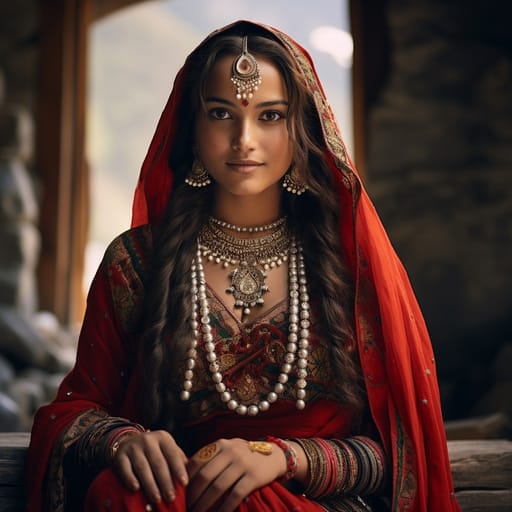
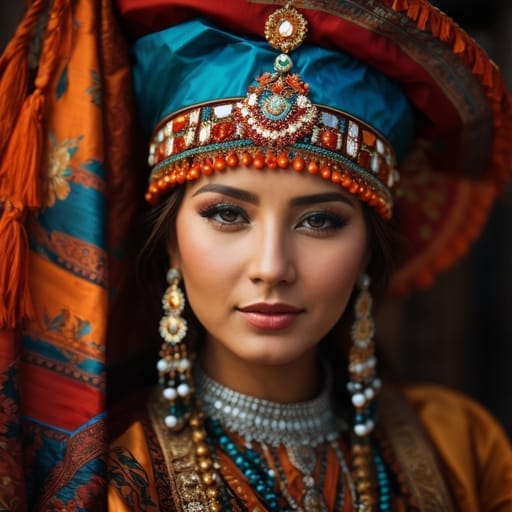


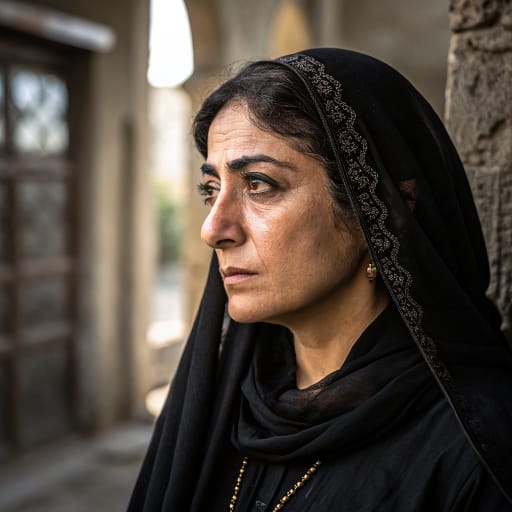
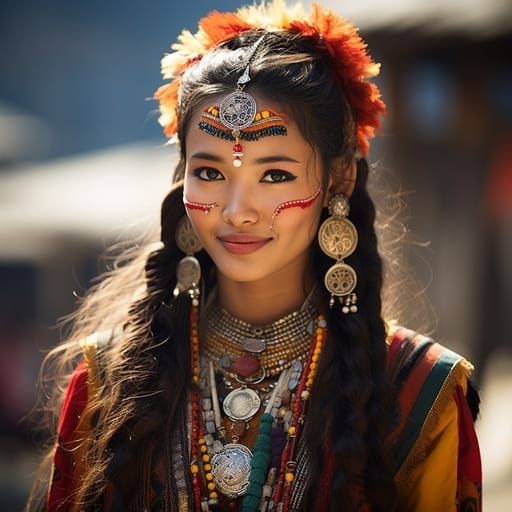
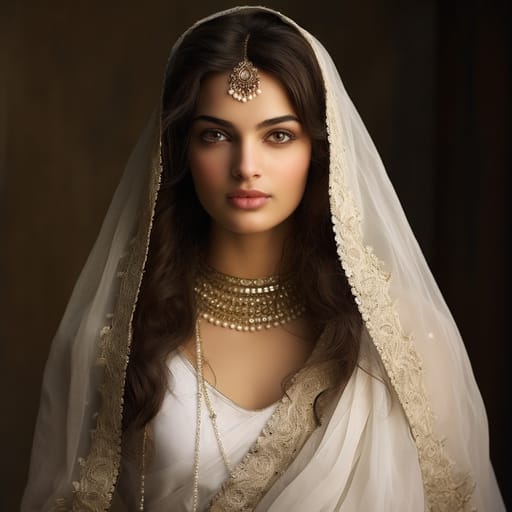
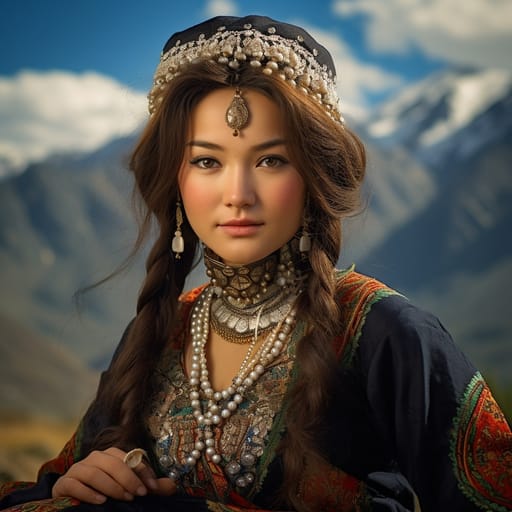
Typical Paite Phenotypes
Reference for AI generation: hair, eyes, skin, facial structure, build
Explore phenotype categories
Structured taxonomy with peer-reviewed scales · 22 anatomical categories
Erotic Poses & Sex Positions
From the pose catalog: 219 named positions with reference skeletons
Frequently asked questions about Paite people
Where is the Paite homeland?
The Paite homeland is Churachandpur (Lamka) district of Manipur and parts of Mizoram, India, with ancestral roots in the Tedim area of Chin State, Myanmar in Southern Asia.
What language do Paite people speak?
Paite people primarily speak Paite (Sino-Tibetan, Kuki-Chin); many also speak Mizo, Meitei and English.
What religion do Paite people practice?
The predominant religion among Paite people is Predominantly Protestant Christian, mostly Baptist and Presbyterian; traditional spirit religion before the twentieth century.






Make your own Paite images
Five a day, free, no credits to buy. The studio starts from this group's phenotype data, so you can set body type, pose and style and keep the traits accurate.
Start with Paite