Help us get this right
Does this portrait look right for Musahar?
Nobody has judged this one yet. You would be the first.
Musahar Erotic
Eastern Gangetic plain and the Terai: Bihar, eastern Uttar Pradesh and Jharkhand in India, and the southern Terai districts of Nepal.
Bhojpuri, Magahi and Maithili (Indo-Aryan); Hindi in India and Nepali in Nepal as second languages.
Hinduism, practiced through village shrines and ancestor spirits, with the hero-brothers Dina and Bhadri as the community's own deities.
Scheduled Caste in India and Mahadalit in Bihar; Terai (Madheshi) Dalit in Nepal. Also called Rishidev, Manjhi or Sada; often grouped by ethnographers with the Bhuiya.
About Musahar People
The Musahar sit at the bottom of the caste order in the eastern Gangetic plain, and the name they carry was put on them by others: musa, rat, and ahar, food. They are a Dalit community of Bihar, eastern Uttar Pradesh and Jharkhand, and of the Terai lowlands of southern Nepal, where the census counts them among the Madheshi Dalits. Almost everyone is landless. Households cluster in a musahari, a separate hamlet of mud and thatch on the edge of a village, and walk out to other people's fields at transplanting and harvest. Catching field rats, partly for the meat and partly for the grain rats hoard in their burrows, was real seasonal work, and it became the label the community now works to shed. In Nepal many prefer Rishidev, in Bihar the surnames Manjhi and Sada, and the claim of descent from a rishi, a sage, gives the community a standing the census label denies. Ethnographers have long grouped them with the Bhuiya and guessed at a tribal origin on the Chota Nagpur plateau, but the Musahar speak the plains languages of their neighbors: Bhojpuri in the west, Magahi around Gaya and Patna, Maithili in the north, all Indo-Aryan, with Hindi and Nepali for school and office when school and office happen at all.
Religion is Hindu in the broad sense, but practice runs through village shrines and one very particular pair of heroes. Dina and Bhadri were two Musahar brothers of the Mithila country who, in the epic sung about them, fought landlords and died for it. Their shrines stand in many hamlets and their story is still performed by the community's own singers to a drum. Pigs are kept and eaten, which higher castes hold against the Musahar and which the Musahar do not apologize for. Older women wear godna, the green-black tattooing of forearm and chin that was once the one ornament a poor woman could not have taken from her. Literacy is among the lowest of any community in South Asia, and child malnutrition, bonded labor in brick kilns and stone quarries, and kala-azar, the visceral leishmaniasis endemic to north Bihar, have shaped modern Musahar life more than any custom. The inflection points are recent. Bhagwati Devi, who broke stones in the quarries of Gaya, was elected to the Lok Sabha in 1996. In 2007 Bihar put the Musahar in a new Mahadalit category meant to steer welfare toward the most excluded castes. In 2014 Jitan Ram Manjhi became the first Musahar chief minister of Bihar, which did not change the rat-catching hamlets much but changed what the name could mean.
Related ethnic groups
Groups that share Musahar's homeland, region, language, or religious tradition. These are likely candidates for comparative phenotype reference.
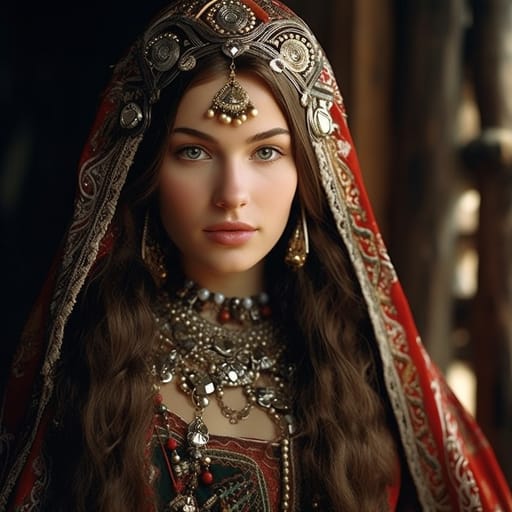
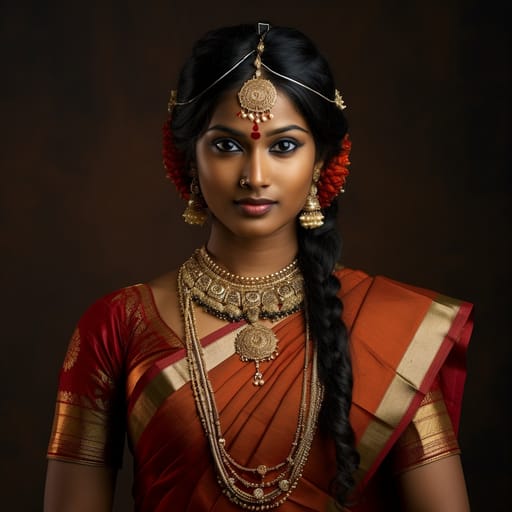
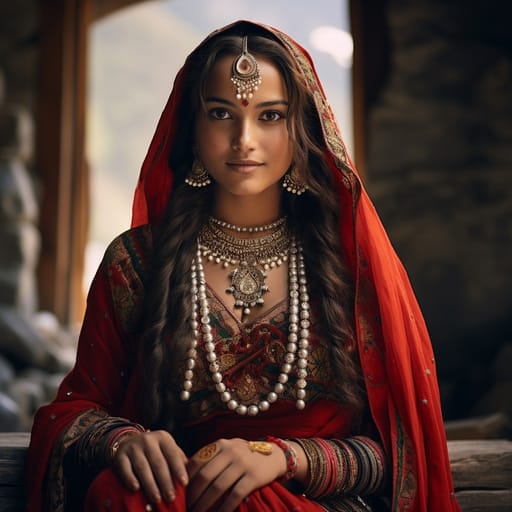
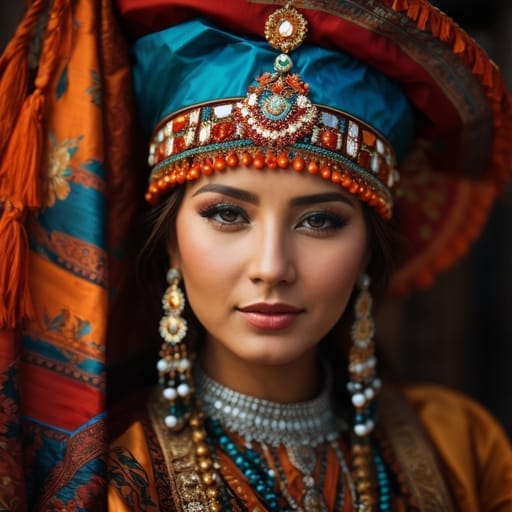
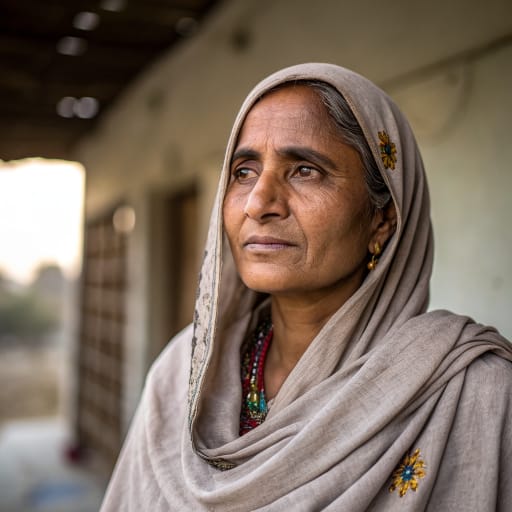
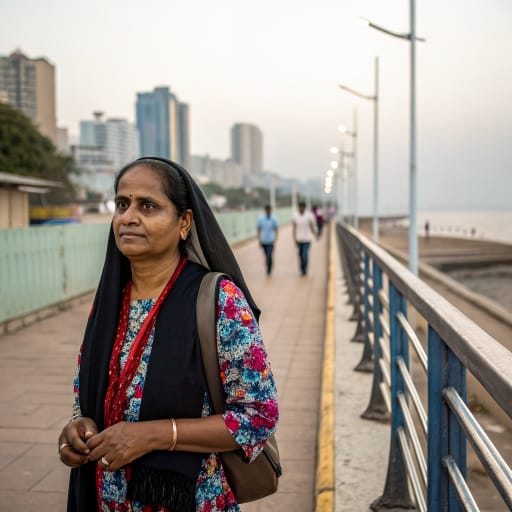
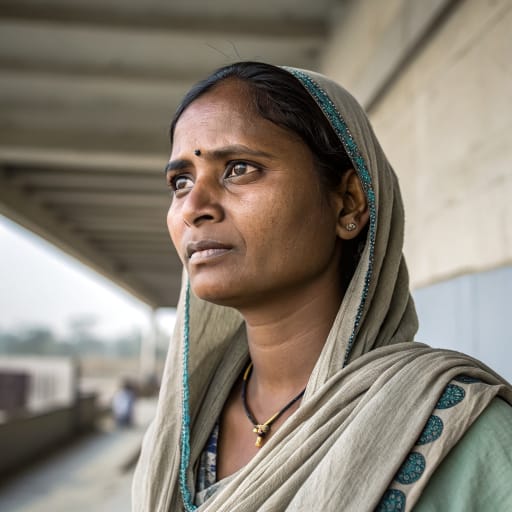
Typical Musahar Phenotypes
Reference for AI generation: hair, eyes, skin, facial structure, build
Musahar Body & Anatomy Reference
Anatomy by feature, Indo-Aryan / Dravidian South Asian phenotype
Musahar Boobs & Breasts
The typical Musahar bust is medium-to-large cup, moderate-to-full projection, in line with the wider Indo-Aryan / Dravidian South Asian pattern. Areolas usually fall in the 32-46mm range, with medium-brown to dark-brown areolar pigmentation against the wheatish-to-brown skin tone. Compared with the smaller East Asian bust profile, Musahar breasts sit forward and are generally full and soft, generally fuller than the East Asian norm. A faithful AI render of Musahar tits keeps that shape and areola size.
Musahar Ass & Hips
Butt shape among Musahar women: medium-to-full, moderate-to-high projection, classic curvy hip profile, over medium-to-wide iliac crests, full gluteal-femoral fat distribution. This follows Indo-Aryan / Dravidian South Asian ancestry and looks quite unlike the slim hip profile of East Asian women. An accurate Musahar ass in adult AI imagery keeps both the silhouette and the overall build (endomorph-to-mesomorph with fuller hip deposition) instead of a generic average.
Musahar Vagina & Pussy
Vulvar anatomy among Musahar women: medium-brown to dark-brown labial pigmentation, fuller labia minora projection. Pubic hair tends to be straight-to-wavy coarse texture, dense distribution, in the usual inverted-triangle pattern. Both follow Indo-Aryan / Dravidian South Asian pigmentation, which is why Musahar pussy renders should not fall back on a pale, sparse Western template.
Musahar Dicks & Penis
The Musahar cock profile, from Indo-Aryan / Dravidian South Asian anthropometric data: regional mean ~13cm erect; moderate girth; medium-brown shaft pigmentation. Pubic hair has a straight-to-wavy coarse texture and forms the usual inverted-V pattern. Whether Musahar men are circumcised follows religious and cultural practice rather than phenotype.
Musahar Body, Curves & Build
Build and curves among Musahar women follow the Indo-Aryan / Dravidian South Asian pattern: endomorph-to-mesomorph with fuller hip deposition, mean adult female BMI 22-25. Proportions matter as much as skin tone, so Musahar figures should keep their regional height and limb ratios.
Musahar Skin Tone & Hair Texture
The Musahar skin range is wheatish to brown (Fitzpatrick III-V), and hair tends to be straight-to-wavy 1A-2B, dense, dark-brown to black. That combination marks the Indo-Aryan / Dravidian South Asian phenotype, and skin tone is the trait AI generators most often get wrong for Musahar women.
Explore phenotype categories
Structured taxonomy with peer-reviewed scales · 22 anatomical categories
Erotic Poses & Sex Positions
From the pose catalog: 219 named positions with reference skeletons
Frequently asked questions about Musahar people
Where is the Musahar homeland?
The Musahar homeland is Eastern Gangetic plain and the Terai: Bihar, eastern Uttar Pradesh and Jharkhand in India, and the southern Terai districts of Nepal. in Southern Asia.
What language do Musahar people speak?
Musahar people primarily speak Bhojpuri, Magahi and Maithili (Indo-Aryan); Hindi in India and Nepali in Nepal as second languages..
What religion do Musahar people practice?
The predominant religion among Musahar people is Hinduism, practiced through village shrines and ancestor spirits, with the hero-brothers Dina and Bhadri as the community's own deities..






Make your own Musahar images
Five a day, free, no credits to buy. The studio starts from this group's phenotype data, so you can set body type, pose and style and keep the traits accurate.
Start with Musahar