No portrait yet
Kadar Erotic
Anamalai hills and nearby Western Ghats forests of India: Parambikulam, Sholayar, Nelliampathy and Vazhachal in Kerala's Thrissur and Palakkad districts, and the Valparai area of Coimbatore district, Tamil Nadu
Kadar (Dravidian, close to Malayalam and often counted as a Malayalam dialect); Malayalam and Tamil (Dravidian) also widely spoken
Hinduism blended with worship of forest and hill deities and veneration of ancestral spirits
One of the forest tribes of the Western Ghats, listed in Kerala as a Particularly Vulnerable Tribal Group; Anamalai neighbors include the Malasar and Muthuvan
About Kadar People
The Kadar take their name from kadu, the Dravidian word for forest, and for most of their recorded history the name has been a plain description of their lives. They are a small hill people of the Anamalai range, where the Western Ghats cross the border between Kerala and Tamil Nadu. Their settlements sit in the Parambikulam and Sholayar valleys, in the Nelliampathy hills, in the forests around Vazhachal and Athirappilly on the Chalakudy river, and on the Tamil slopes near Valparai. They were never farmers by habit. They lived by gathering wild yams, honey, wax, cardamom and other forest produce, and much of it was traded downhill for rice and cloth.
Their own speech is a Dravidian language so close to Malayalam that it is often counted as a dialect of it, with Tamil influence on the eastern side. Most Kadar switch easily into whichever state language their schools and offices use. Religious life is Hindu on the outside but rooted in the forest itself: hill deities, ancestral spirits, and rites aimed at the real dangers of climbing for honey or walking through elephant country. Settlements have traditionally been led by a headman, the moopan.
Colonial ethnographers fixed on two things. One was the body: short stature and curly hair led early writers to cast the Kadar as survivors of an older Negrito layer of India's population, a theory later researchers treat with much more caution. The other was the custom of chipping the front teeth into points, which has since largely disappeared.
The bigger turning point was timber. From the early twentieth century the Cochin and Anamalai forests were opened for teak logging, with a forest tramway hauling logs down to the plains, and Kadar men were drawn in as guides, trackers and laborers. Later, hydroelectric dams on the Chalakudy river system flooded or displaced several settlements, some more than once, and wildlife reserve boundaries limited movement further. Kerala now lists the Kadar as a Particularly Vulnerable Tribal Group. That history has also sharpened their politics: the Vazhachal settlements became a center of resistance to the proposed Athirappilly dam, and they pressed early claims to community rights over their forest under India's Forest Rights Act.
Related ethnic groups
Groups that share Kadar's homeland, region, language, or religious tradition. These are likely candidates for comparative phenotype reference.
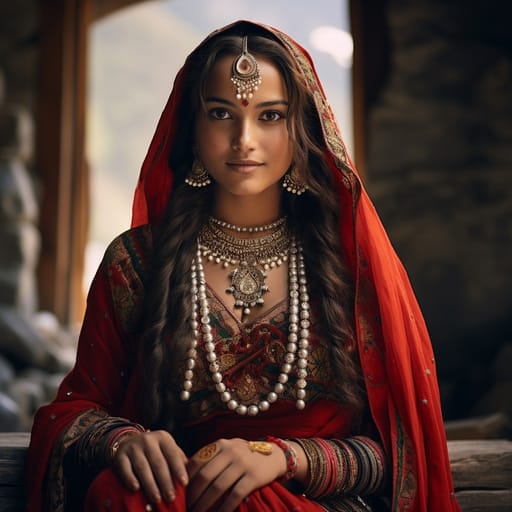
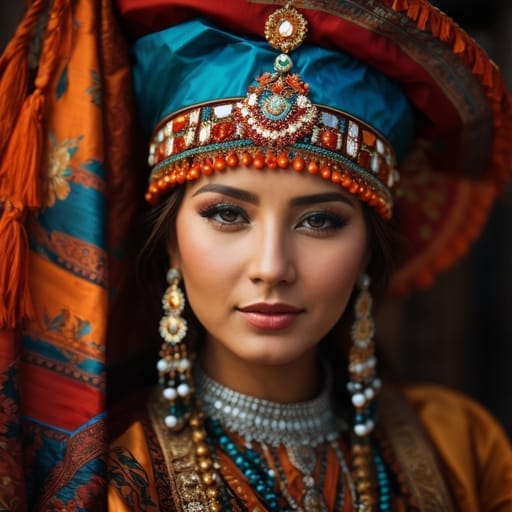
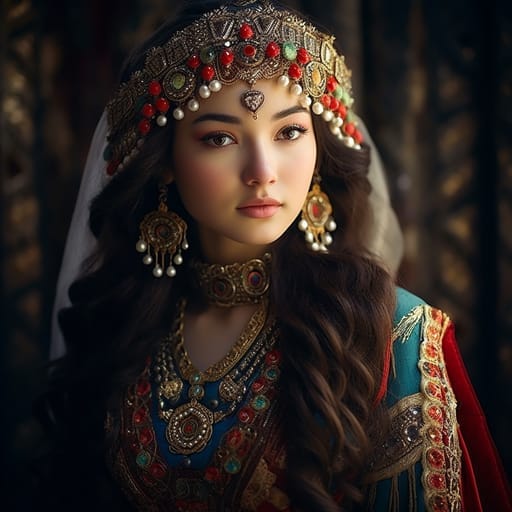
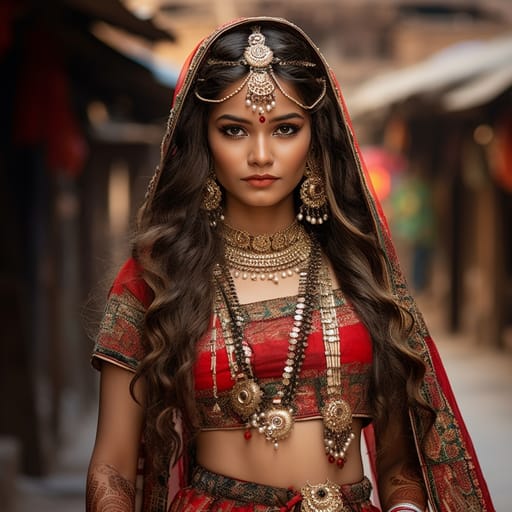
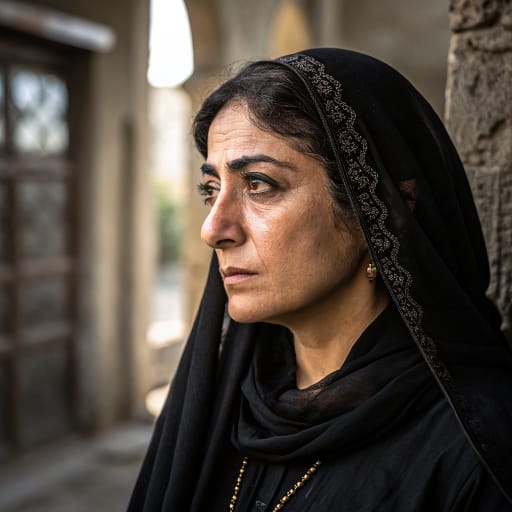
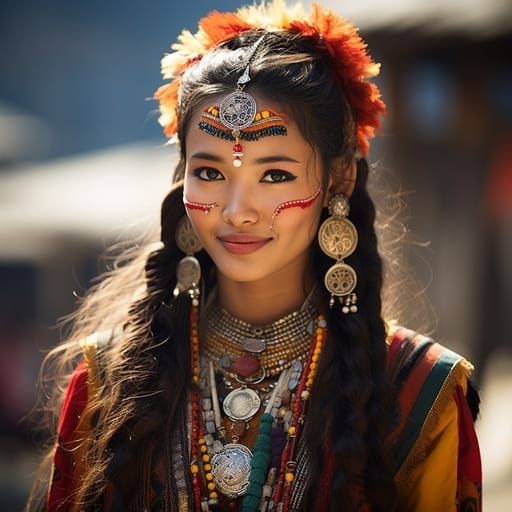
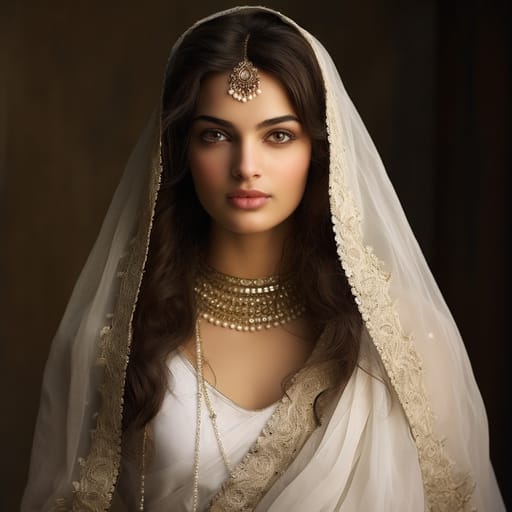
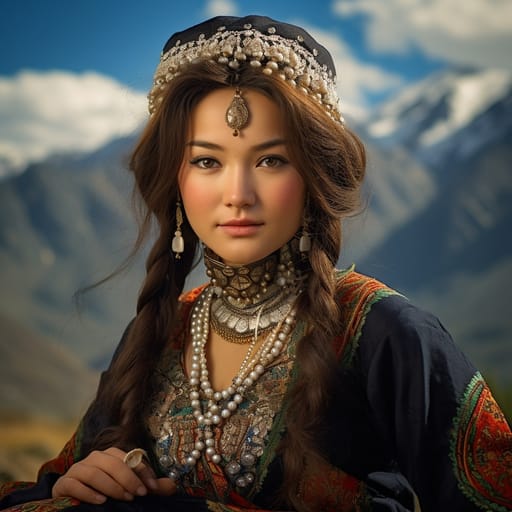
Typical Kadar Phenotypes
Reference for AI generation: hair, eyes, skin, facial structure, build
Kadar Body & Anatomy Reference
Indo-Aryan / Dravidian South Asian phenotype: anatomy reference for AI nude generation
Kadar Boobs & Breasts
Bust reference for Kadar women: medium-to-large cup, moderate-to-full projection, which is typical of Indo-Aryan / Dravidian South Asian ancestry. Areolas measure about 32-46mm across, with medium-brown to dark-brown pigmentation. Body type (endomorph-to-mesomorph with fuller hip deposition) shapes the bust as well, so Kadar tits are usually full and soft, generally fuller than the East Asian norm. In AI imagery, keep the forward-set shape rather than drifting toward the smaller East Asian bust profile.
Kadar Ass & Hips
The Kadar ass is typically medium-to-full, moderate-to-high projection, classic curvy hip profile, which sets it apart from the slim hip profile of East Asian women. Underneath, the pelvis shows medium-to-wide iliac crests, full gluteal-femoral fat distribution, part of the Indo-Aryan / Dravidian South Asian skeletal pattern. For Kadar butt pics and AI renders, match that silhouette and the overall build (endomorph-to-mesomorph with fuller hip deposition).
Kadar Vagina & Pussy
Kadar pussy and vulvar anatomy presents medium-brown to dark-brown labial pigmentation, fuller labia minora projection, consistent with the Indo-Aryan / Dravidian South Asian phenotype's pigmentation pattern. Kadar pubic hair is typically straight-to-wavy coarse texture, dense distribution, in the inverted-triangle pattern. For anatomically accurate Kadar pussy renders the labial coloration should match the surrounding wheatish to brown skin tone with a continuous gradient, and the hair should keep its straight-to-wavy coarse texture.
Kadar Dicks & Penis
Kadar dicks follow the Indo-Aryan / Dravidian South Asian reference data: regional mean ~13cm erect; moderate girth; medium-brown shaft pigmentation. Shaft color should track the wheatish to brown skin tone with a smooth change toward the glans, and Kadar pubic hair keeps its straight-to-wavy coarse texture.
Kadar Body, Curves & Build
Kadar body type and overall build presents as endomorph-to-mesomorph with fuller hip deposition, with mean adult female BMI 22-25: the characteristic Indo-Aryan / Dravidian South Asian habitus. Kadar curves and proportions should keep the regional skeletal frame (height, shoulder-to-hip ratio, limb proportions) rather than a generic mesomorph default.
Kadar Skin Tone & Hair Texture
Kadar skin sits in the wheatish to brown (Fitzpatrick III-V) band. Hair is typically straight-to-wavy 1A-2B, dense, dark-brown to black, in keeping with the Indo-Aryan / Dravidian South Asian phenotype. In nude renders the skin should stay one even tone from face to body, and body, pubic and head hair should match.
Explore phenotype categories
Structured taxonomy with peer-reviewed scales · 22 anatomical categories
Erotic Poses & Sex Positions
From the pose catalog: 219 named positions with reference skeletons
Frequently asked questions about Kadar people
Where is the Kadar homeland?
The Kadar homeland is Anamalai hills and nearby Western Ghats forests of India: Parambikulam, Sholayar, Nelliampathy and Vazhachal in Kerala's Thrissur and Palakkad districts, and the Valparai area of Coimbatore district, Tamil Nadu in Southern Asia.
What language do Kadar people speak?
Kadar people primarily speak Kadar (Dravidian, close to Malayalam and often counted as a Malayalam dialect); Malayalam and Tamil (Dravidian) also widely spoken.
What religion do Kadar people practice?
The predominant religion among Kadar people is Hinduism blended with worship of forest and hill deities and veneration of ancestral spirits.






Make your own Kadar images
Five a day, free, no credits to buy. The studio starts from this group's phenotype data, so you can set body type, pose and style and keep the traits accurate.
Start with Kadar