Help us get this right
Does this portrait look right for Med?
Nobody has judged this one yet. You would be the first.
Med Erotic
Makran coast of Balochistan, Pakistan, and Sistan and Baluchestan, Iran, with communities in Karachi and in Gulf states such as Oman and the UAE
Balochi (Indo-European, Iranian); many also speak Urdu, Sindhi, Persian or Arabic depending on country
Sunni Islam
A coastal fishing and seafaring community within the wider Baloch people; possibly linked to the Meds named in early Arab accounts of Sindh
About Med People
The Med are the fishing and seafaring people of the Makran coast. The coast is dry and backed by cliffs, and it runs from Pakistan's Balochistan into Iran's Sistan and Baluchestan. Med families fish, crew and repair the boats that go out from Gwadar, Pasni, Ormara and Jiwani, and from Chabahar and Konarak across the border. Inland, Makranis farm date groves and keep livestock. The Med work the water, and in Baloch society that difference in how people make a living has long affected both how others rank them and how they see themselves.
They speak Balochi, the Iranian language shared across the region, and are generally counted among the Baloch. Many Med families have also settled in Karachi, where Urdu and Sindhi come into daily use. They are Sunni Muslims, and religious life fits into a working year set by the sea. Each summer the monsoon churns the Arabian Sea and most boats stay on the beach. That is the season for mending nets, patching hulls and waiting for calmer water.
The name is old. Arab writers describing Sindh around the eighth-century conquest mention the Meds as a coastal people, sometimes as raiders of shipping. A link between that medieval people and today's community is plausible but hard to prove, and historians treat it as an open question rather than a settled line of descent.
The Gulf is part of the story too. Gwadar was an Omani possession from the late eighteenth century until Pakistan bought it in 1958, and sailors and fishermen from Makran, Meds among them, have long worked out of Muscat, Dubai and other Gulf harbors. These days the pressure comes from closer to home. The Chinese-backed deepwater port at Gwadar has brought security zones, checkpoints and more competition for fishing grounds. In late 2021 the town's fishing families were at the center of weeks of sit-ins. They demanded an end to industrial trawling in local waters, fewer checkpoints, and reliable water and power. The sea still feeds the Med, and the fight over who gets to use it is now part of everyday life on the coast.
Related ethnic groups
Groups that share Med's homeland, region, language, or religious tradition. These are likely candidates for comparative phenotype reference.
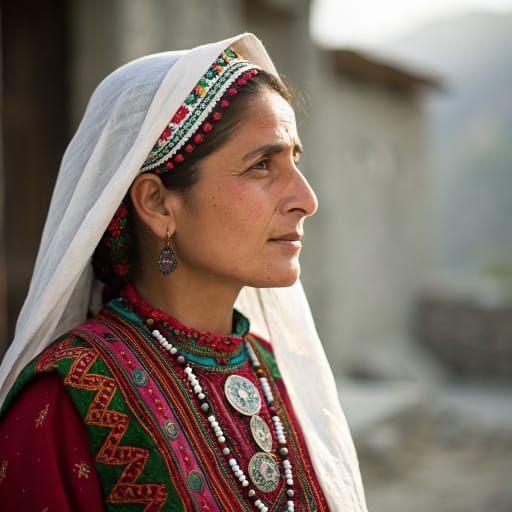
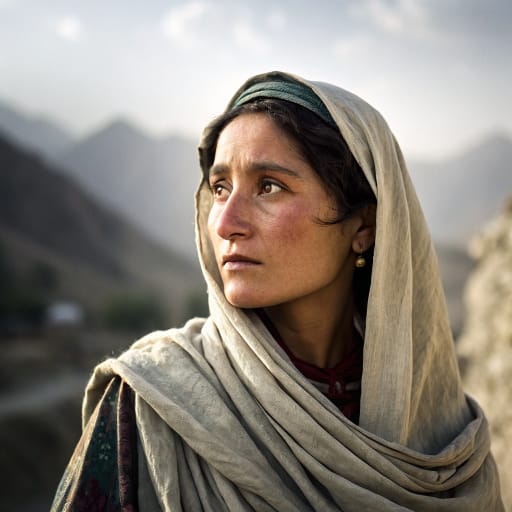
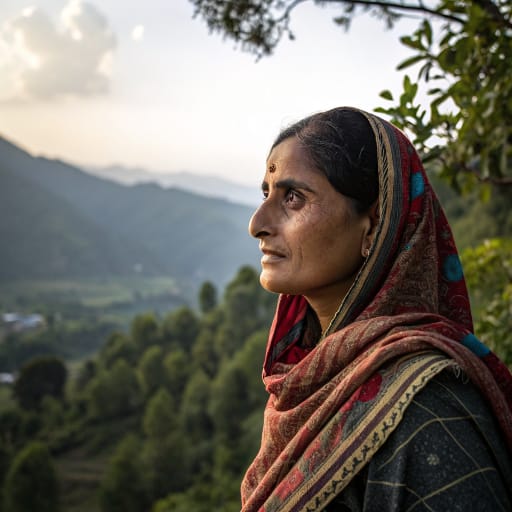
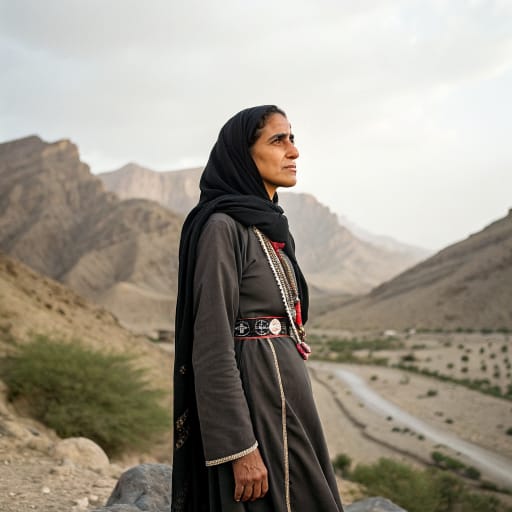
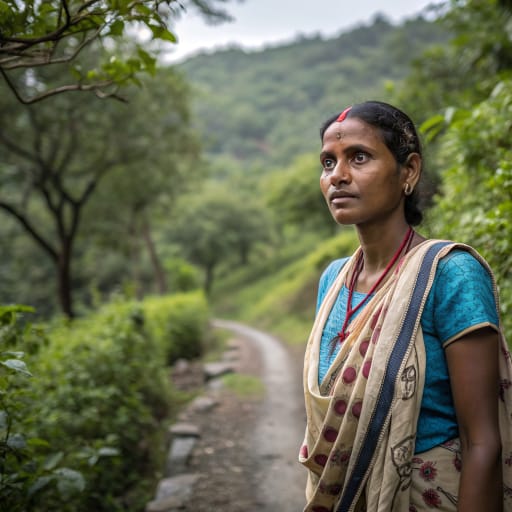
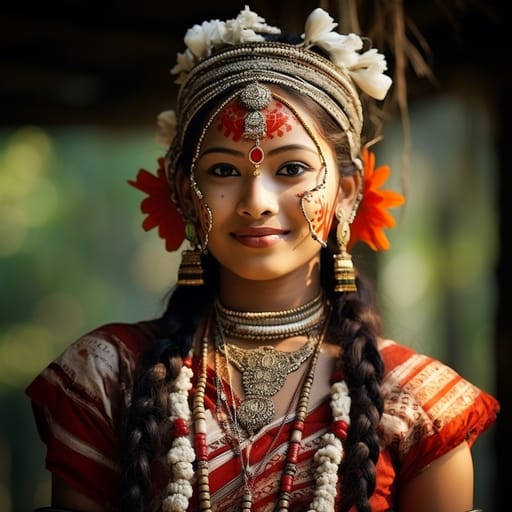
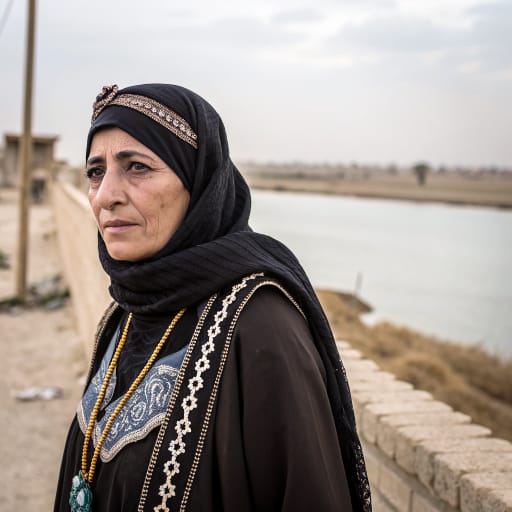
Typical Med Phenotypes
Reference for AI generation: hair, eyes, skin, facial structure, build
Explore phenotype categories
Structured taxonomy with peer-reviewed scales · 22 anatomical categories
Erotic Poses & Sex Positions
From the pose catalog: 219 named positions with reference skeletons
Frequently asked questions about Med people
Where is the Med homeland?
The Med homeland is Makran coast of Balochistan, Pakistan, and Sistan and Baluchestan, Iran, with communities in Karachi and in Gulf states such as Oman and the UAE in Southern Asia.
What language do Med people speak?
Med people primarily speak Balochi (Indo-European, Iranian); many also speak Urdu, Sindhi, Persian or Arabic depending on country.
What religion do Med people practice?
The predominant religion among Med people is Sunni Islam.






Make your own Med images
Five a day, free, no credits to buy. The studio starts from this group's phenotype data, so you can set body type, pose and style and keep the traits accurate.
Start with Med