Help us get this right
Does this portrait look right for Wakhi?
One tap. It takes a second and it is recorded.
1 says it looks right, 0 say it looks off.
Wakhi Erotic
Wakhan Corridor and Pamir (Gojal, Tajik Pamirs, Tashkurgan), Pakistan/Afghanistan/Tajikistan/China
Nizari Ismaili Islam
Pamiri peoples
About Wakhi People
Wakhi are an Eastern Iranian Pamiri people of the high Pamir and Hindu Kush, living where Pakistan, Afghanistan, Tajikistan and China meet, from the Wakhan Corridor and Gojal in upper Hunza to the Tajik Pamirs and Tashkurgan in Xinjiang. They speak Wakhi, an Indo-European language of the Eastern Iranian (Pamiri) group, and are predominantly Nizari Ismaili Muslims who follow the Aga Khan.
Society and subsistence
Wakhi life is one of high-altitude agropastoralism. Families grow barley, wheat, peas and potatoes on irrigated terraces in short summers and drive yaks, sheep and goats to alpine pastures, often practicing a vertical movement between valley villages and summer settlements. Stone and mud houses with a central skylight hearth are traditional, and hospitality and communal labor are strongly valued in a harsh environment.
Faith and culture
As Ismailis, the Wakhi observe a form of Islam that gathers in community religious houses (jamatkhana), and Aga Khan development institutions have strongly shaped modern education and health among them. Music, poetry and the Persian literary heritage color cultural life.
Appearance and adornment
Wakhi are typically of medium height with fair to wheatish skin, dark hair and often high cheekbones; light eyes appear occasionally. Women wear brightly embroidered dresses, red and white beaded caps and layered necklaces, while men favor long coats, sashes and the rolled woolen Pamiri or Chitrali cap against the cold. Mountain sun leaves ruddy, weathered cheeks.
Related ethnic groups
Groups that share Wakhi's homeland, region, language, or religious tradition. These are likely candidates for comparative phenotype reference.
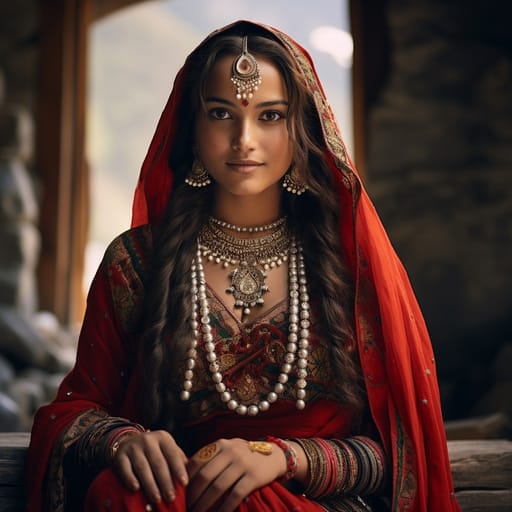
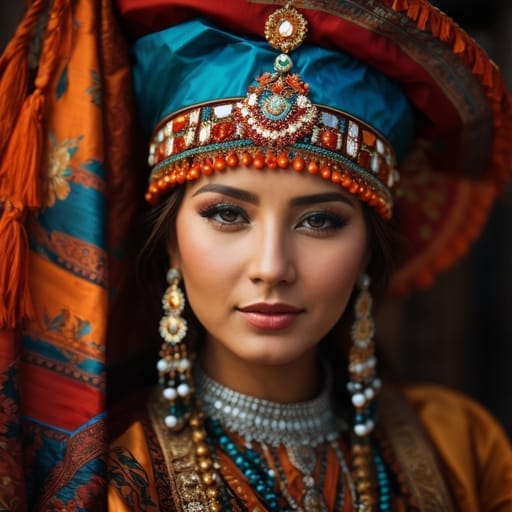
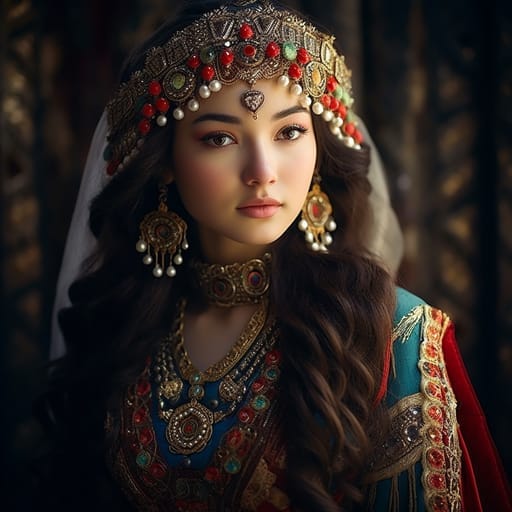
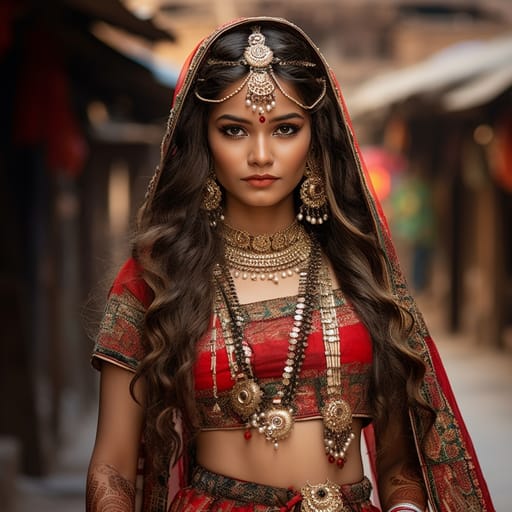
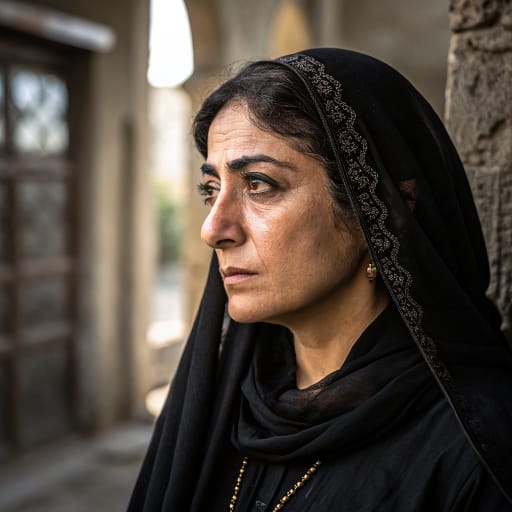
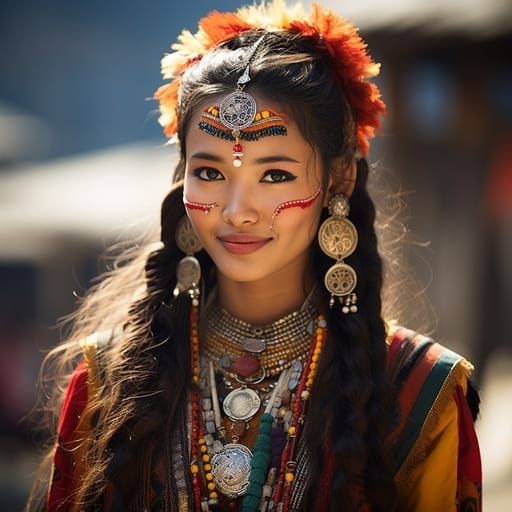
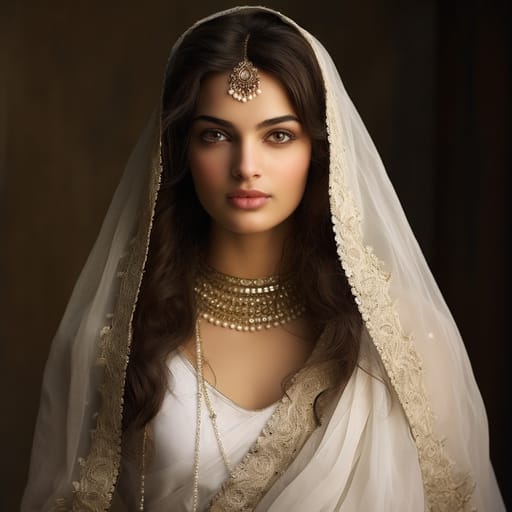
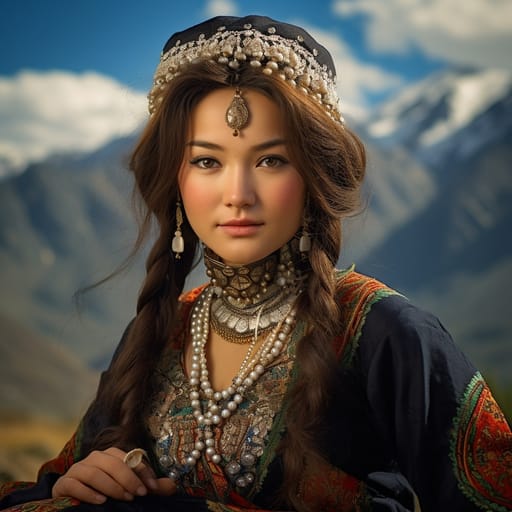
Typical Wakhi Phenotypes
Reference for AI generation: hair, eyes, skin, facial structure, build
Explore phenotype categories
Structured taxonomy with peer-reviewed scales · 22 anatomical categories
Erotic Poses & Sex Positions
From the pose catalog: 219 named positions with reference skeletons
Frequently asked questions about Wakhi people
Where is the Wakhi homeland?
The Wakhi homeland is Wakhan Corridor and Pamir (Gojal, Tajik Pamirs, Tashkurgan), Pakistan/Afghanistan/Tajikistan/China in Southern Asia.
What language do Wakhi people speak?
Wakhi people primarily speak Wakhi (Indo-European, Eastern Iranian, Pamiri).
What religion do Wakhi people practice?
The predominant religion among Wakhi people is Nizari Ismaili Islam.






Make your own Wakhi images
Five a day, free, no credits to buy. The studio starts from this group's phenotype data, so you can set body type, pose and style and keep the traits accurate.
Start with Wakhi