Help us get this right
Does this portrait look right for Mech?
Nobody has judged this one yet. You would be the first.
Mech Erotic
Jhapa district in eastern Nepal, plus the northern plains of West Bengal (Jalpaiguri, Alipurduar) and western Assam in India, along the Himalayan foothills near the Mechi River
Mech, a variety of Bodo (Sino-Tibetan, Boro-Garo branch); many also speak Nepali, Bengali or Assamese
Mostly Hindu, blended with rites for ancestors and village deities; influence of the Brahma Dharma reform movement in Assam; small Christian minority
Bodo-Kachari family, often counted as a western branch of the Bodo; related to the Dimasa, Rabha, Garo and Tripuri
About Mech People
The Mech have two names, and the gap between them is a good place to start. Hindu neighbors and British officials called them Mech. Among themselves, many have long used Bodo or Boro, the same name used by the much larger Bodo population of Assam. The Mechi River, which marks Nepal's eastern border with India, keeps the outside name. It is also a fair guide to where the people live: the belt of plains and old forest where the Himalayan foothills flatten into Bengal. That country is now divided among Jhapa district in Nepal, the Jalpaiguri and Alipurduar country of northern West Bengal, and the western districts of Assam.
Their language is a form of Bodo, in the Boro-Garo branch of Sino-Tibetan. That ties them to the Dimasa, Rabha, Garo and Tripuri farther east, not to the Indo-Aryan speakers who surround them now, and the pressure of those neighbors shows. In Nepal, where the Mech number only a few thousand, children increasingly grow up speaking Nepali first, and the old language lives mostly with older people. In India, Mech speakers are part of a far larger Bodo-speaking community, and whether someone counts as Mech or Bodo is often more a matter of official category than of daily life.
For centuries the Mech farmed the Terai forest by clearing a patch, working it for a few seasons and moving on. Brian Hodgson, writing about them in the 1840s, remarked on how easily they lived in malarial lowland jungle that outsiders dreaded. That fever largely kept outsiders away until the mid-twentieth century. Then malaria control opened the Terai to settlers from the hills and beyond, and much of the land the Mech had farmed without formal title ended up with newcomers. That history shapes their recognition in Nepal as an indigenous nationality, and the politics around it.
In western Assam the turning point came earlier. Kalicharan Brahma, born into a Mech family, led a religious reform movement in the early twentieth century that changed ritual life across the region. Many of his followers took the surname Brahma and moved toward a shared Bodo political identity.
Religion today is mostly Hindu on the surface, layered over older rites for ancestors and for household and village deities, with a smaller Christian following. For many families rice beer and pork still belong at festivals and weddings. A woman's handwoven dokhona, the cloth wrapped from chest to ankle, remains one of the clearest visible links to the wider Bodo world.
Related ethnic groups
Groups that share Mech's homeland, region, language, or religious tradition. These are likely candidates for comparative phenotype reference.
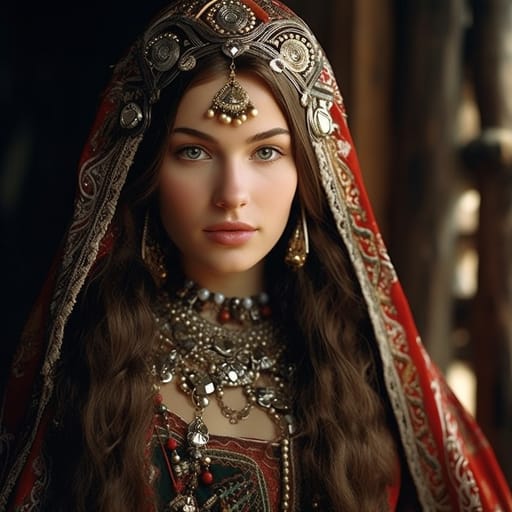
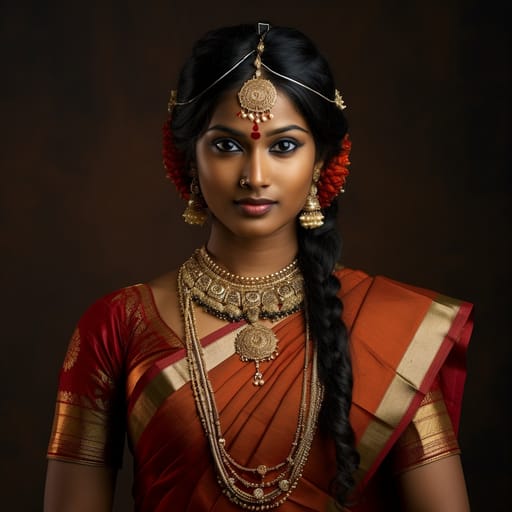
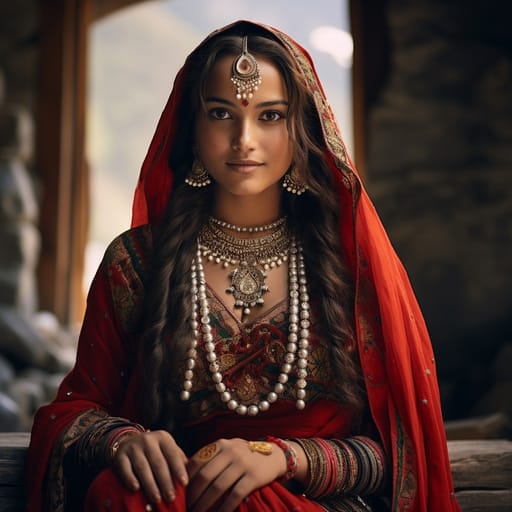
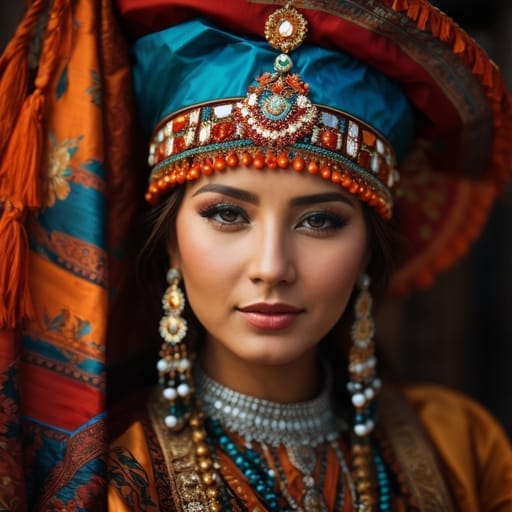
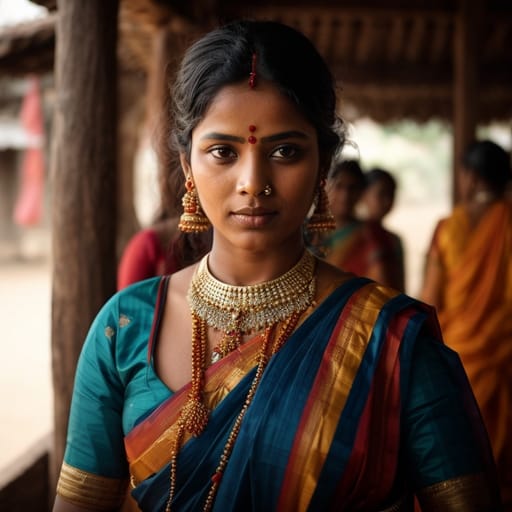
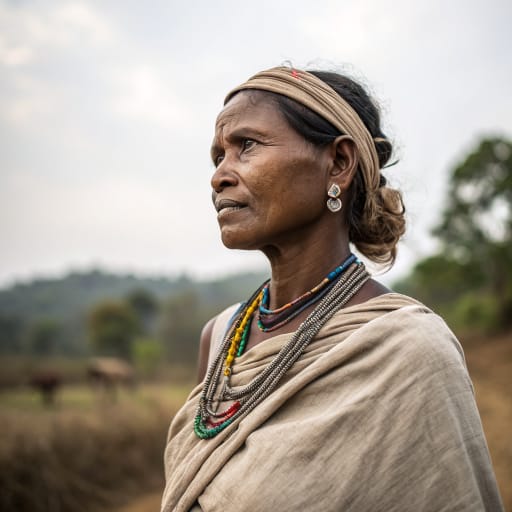
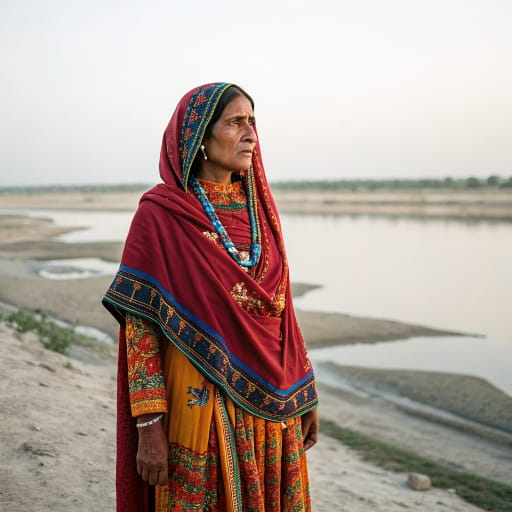
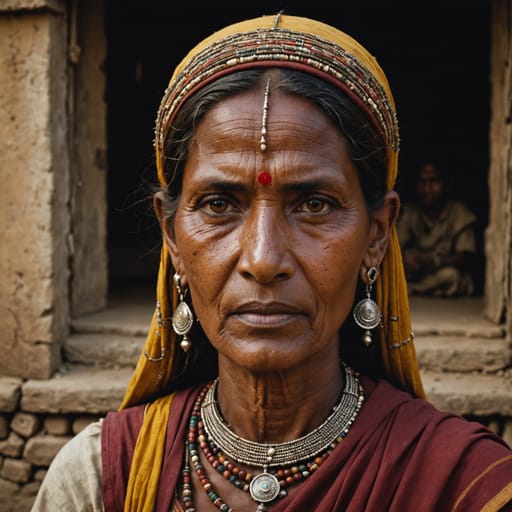
Typical Mech Phenotypes
Reference for AI generation: hair, eyes, skin, facial structure, build
Explore phenotype categories
Structured taxonomy with peer-reviewed scales · 22 anatomical categories
Erotic Poses & Sex Positions
From the pose catalog: 219 named positions with reference skeletons
Frequently asked questions about Mech people
Where is the Mech homeland?
The Mech homeland is Jhapa district in eastern Nepal, plus the northern plains of West Bengal (Jalpaiguri, Alipurduar) and western Assam in India, along the Himalayan foothills near the Mechi River in Southern Asia.
What language do Mech people speak?
Mech people primarily speak Mech, a variety of Bodo (Sino-Tibetan, Boro-Garo branch); many also speak Nepali, Bengali or Assamese.
What religion do Mech people practice?
The predominant religion among Mech people is Mostly Hindu, blended with rites for ancestors and village deities; influence of the Brahma Dharma reform movement in Assam; small Christian minority.






Make your own Mech images
Five a day, free, no credits to buy. The studio starts from this group's phenotype data, so you can set body type, pose and style and keep the traits accurate.
Start with Mech