No portrait yet
Shakya Erotic
Historically the Terai around Kapilavastu and Lumbini, straddling southern Nepal and Uttar Pradesh, India; today concentrated in the Kathmandu Valley, Nepal, with Shakya-surnamed communities in Uttar Pradesh
Nepal Bhasa / Newari (Sino-Tibetan) and Nepali (Indo-European, Indo-Aryan); the ancient clan spoke a Middle Indo-Aryan Prakrit
Buddhism; Newar Shakyas follow Newar Vajrayana Buddhism
Ancient gana-sangha clan of the Terai; the modern Shakya caste of the Newar, forming the Bare together with the Vajracharya; Shakya-surnamed communities of Uttar Pradesh, India
About Shakya People
The Shakya are the clan that produced the Buddha, and that one fact has carried their name across two and a half thousand years and most of Asia. Siddhartha Gautama was born a Shakya, and Shakyamuni, sage of the Shakyas, is still what millions of Buddhists call him. The clan lived in the Terai, the humid lowland where the Gangetic plain meets the first Himalayan ridges, on ground now split between southern Nepal and Uttar Pradesh in India. Their capital was Kapilavastu, and archaeologists still argue whether it lies under Tilaurakot in Nepal or Piprahwa across the border. Lumbini, the Buddha's birthplace, sits a short distance away on the Nepali side.
The Shakyas were not a kingdom. They ran a gana-sangha, an assembly republic in which the heads of landholding kshatriya families met in a council hall and chose a raja from among themselves, closer to a chairman than a king. This arrangement was common along the eastern fringe of the Vedic world and rare inside it, and it left a mark on the Buddhist monastic order, which borrowed clan assembly procedure for its own governance. The Shakyas lived in the shadow of Kosala to the west, and the relationship ended badly. Tradition holds that the Kosalan king Vidudabha, humiliated to learn that his Shakya mother was a slave's daughter passed off as a noblewoman, sacked Kapilavastu within the Buddha's lifetime. A relic casket unearthed at Piprahwa in 1898 carries an inscription naming the Shakyas as the people who enshrined a share of the Buddha's ashes, the earliest surviving trace of the clan in its own words.
The name did not die with the city. In the Kathmandu Valley, Shakya is a living Buddhist caste among the Newar, whose members claim descent from refugees of the old clan. They speak Nepal Bhasa, a Sino-Tibetan language with no relation to the Indo-Aryan Prakrit of their claimed ancestors, alongside Nepali. Newar Shakyas belong by birth to the bahas and bahis, the courtyard monasteries of the valley, and every Shakya boy goes through Bare Chhuyegu, a few days of formal ordination with shaved head and begging bowl before returning to lay life. With the Vajracharya priests they form the Bare, the caste that keeps Newar Vajrayana running. Their other inheritance is metal. The workshops of Patan are largely Shakya family businesses, casting and hammering the gilt copper Buddhas that furnish monasteries from Lhasa to Los Angeles. In India, meanwhile, the surname was taken up during the twentieth century by communities in Uttar Pradesh claiming kshatriya descent and, for many, a Buddhist identity, so that Shakya today names both an artisan caste and a political statement.
Related ethnic groups
Groups that share Shakya's homeland, region, language, or religious tradition. These are likely candidates for comparative phenotype reference.
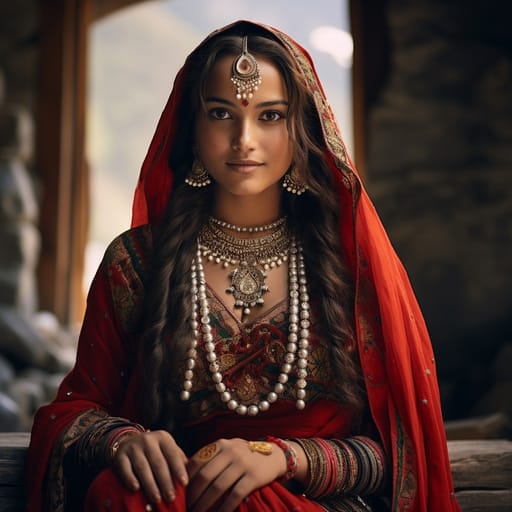
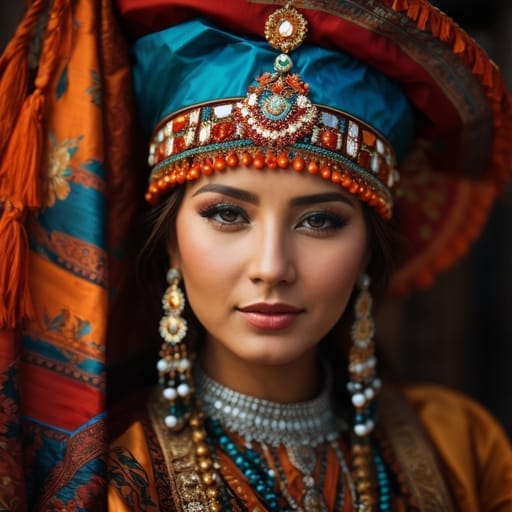
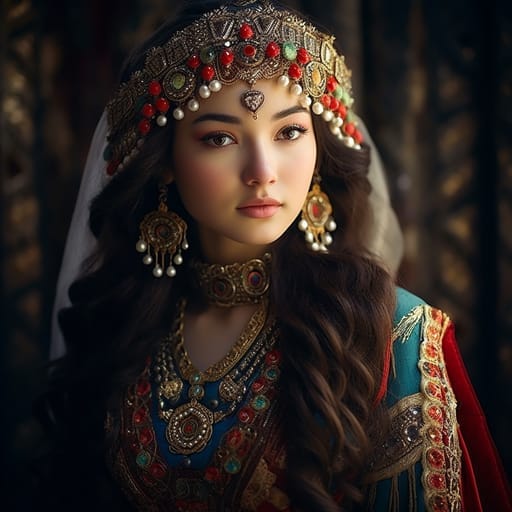
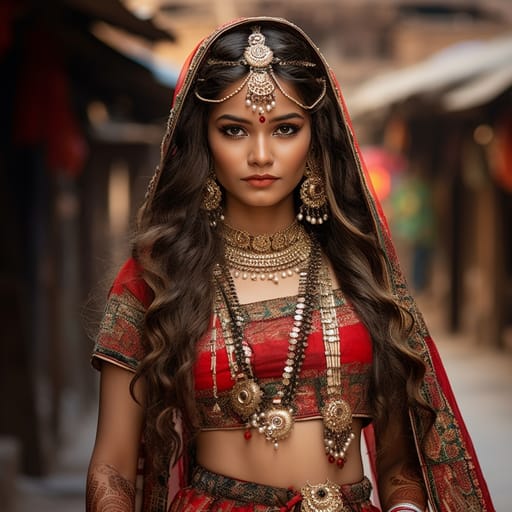
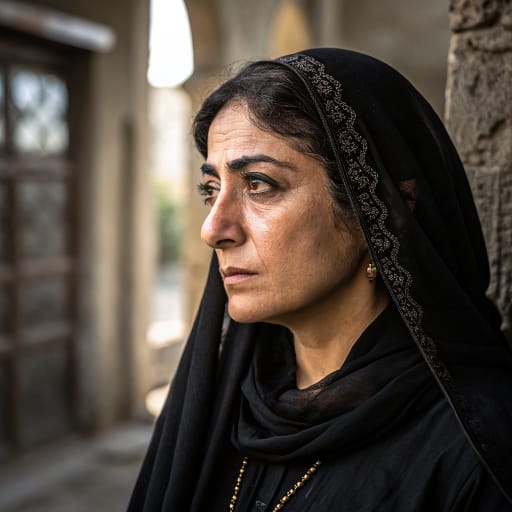
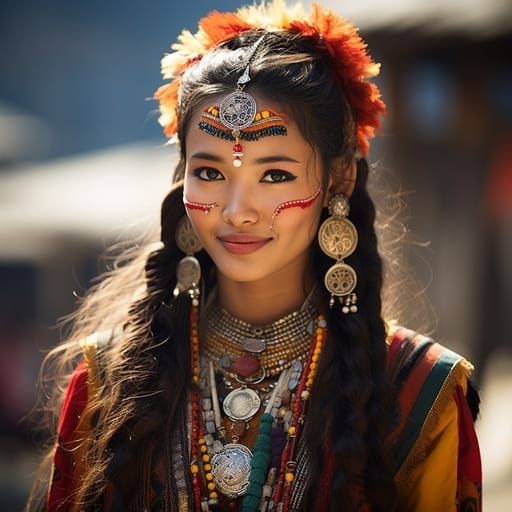
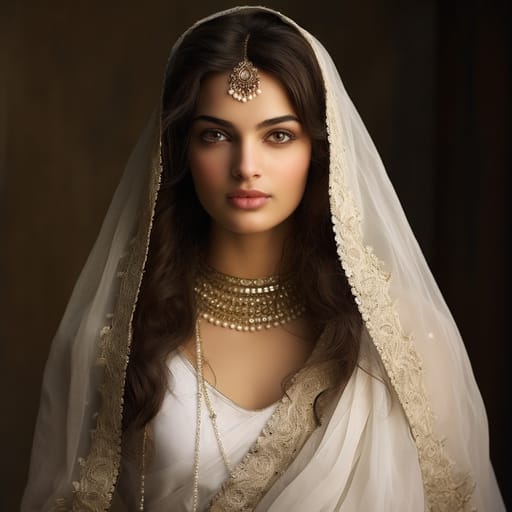
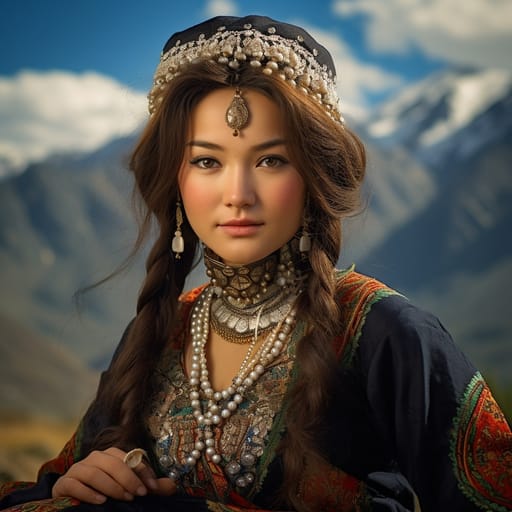
Typical Shakya Phenotypes
Reference for AI generation: hair, eyes, skin, facial structure, build
Shakya Body & Anatomy Reference
Anatomy by feature, Indo-Aryan / Dravidian South Asian phenotype
Shakya Boobs & Breasts
Bust reference for Shakya women: medium-to-large cup, moderate-to-full projection, which is typical of Indo-Aryan / Dravidian South Asian ancestry. Areolas measure about 32-46mm across, with medium-brown to dark-brown pigmentation. Body type (endomorph-to-mesomorph with fuller hip deposition) shapes the bust as well, so Shakya tits are usually full and soft, generally fuller than the East Asian norm. In AI imagery, keep the forward-set shape rather than drifting toward the smaller East Asian bust profile.
Shakya Ass & Hips
The Shakya ass is typically medium-to-full, moderate-to-high projection, classic curvy hip profile, which sets it apart from the slim hip profile of East Asian women. Underneath, the pelvis shows medium-to-wide iliac crests, full gluteal-femoral fat distribution, part of the Indo-Aryan / Dravidian South Asian skeletal pattern. For Shakya butt pics and AI renders, match that silhouette and the overall build (endomorph-to-mesomorph with fuller hip deposition).
Shakya Vagina & Pussy
Shakya pussy and vulvar anatomy presents medium-brown to dark-brown labial pigmentation, fuller labia minora projection, consistent with the Indo-Aryan / Dravidian South Asian phenotype's pigmentation pattern. Shakya pubic hair is typically straight-to-wavy coarse texture, dense distribution, in the inverted-triangle pattern. For anatomically accurate Shakya pussy renders the labial coloration should match the surrounding wheatish to brown skin tone with a continuous gradient, and the hair should keep its straight-to-wavy coarse texture.
Shakya Dicks & Penis
Shakya dicks follow the Indo-Aryan / Dravidian South Asian reference data: regional mean ~13cm erect; moderate girth; medium-brown shaft pigmentation. Shaft color should track the wheatish to brown skin tone with a smooth change toward the glans, and Shakya pubic hair keeps its straight-to-wavy coarse texture.
Shakya Body, Curves & Build
Shakya body type and overall build presents as endomorph-to-mesomorph with fuller hip deposition, with mean adult female BMI 22-25: the characteristic Indo-Aryan / Dravidian South Asian habitus. Shakya curves and proportions should keep the regional skeletal frame (height, shoulder-to-hip ratio, limb proportions) rather than a generic mesomorph default.
Shakya Skin Tone & Hair Texture
Shakya skin sits in the wheatish to brown (Fitzpatrick III-V) band. Hair is typically straight-to-wavy 1A-2B, dense, dark-brown to black, in keeping with the Indo-Aryan / Dravidian South Asian phenotype. In nude renders the skin should stay one even tone from face to body, and body, pubic and head hair should match.
Explore phenotype categories
Structured taxonomy with peer-reviewed scales · 22 anatomical categories
Erotic Poses & Sex Positions
From the pose catalog: 219 named positions with reference skeletons
Frequently asked questions about Shakya people
Where is the Shakya homeland?
The Shakya homeland is Historically the Terai around Kapilavastu and Lumbini, straddling southern Nepal and Uttar Pradesh, India; today concentrated in the Kathmandu Valley, Nepal, with Shakya-surnamed communities in Uttar Pradesh in Southern Asia.
What language do Shakya people speak?
Shakya people primarily speak Nepal Bhasa / Newari (Sino-Tibetan) and Nepali (Indo-European, Indo-Aryan); the ancient clan spoke a Middle Indo-Aryan Prakrit.
What religion do Shakya people practice?
The predominant religion among Shakya people is Buddhism; Newar Shakyas follow Newar Vajrayana Buddhism.






Make your own Shakya images
Five a day, free, no credits to buy. The studio starts from this group's phenotype data, so you can set body type, pose and style and keep the traits accurate.
Start with Shakya