Help us get this right
Does this portrait look right for Ghorbati?
Nobody has judged this one yet. You would be the first.
Ghorbati Erotic
Afghanistan and Iran, traditionally traveling between villages and market towns; many families now settled on the edges of towns and cities
Persian, Dari in Afghanistan (Indo-European, Iranian); a private in-group trade vocabulary
Islam
One of the traveling craft and trading communities of Afghanistan and Iran; lumped by outsiders under the label Jat, and often linked, without settled evidence, to the Dom and Romani
About Ghorbati People
The name says a good deal. Ghorbat is the Persian form of an Arabic word for exile, the condition of being a stranger far from home. It fits a people who have long been defined by movement rather than by a fixed territory. The Ghorbati live mainly in Afghanistan and Iran. What makes them a group is not a map but a shared trade tradition, a common language and close family networks that have held together over generations of life on the road.
Their living has traditionally come from craft and trade with settled villages. In Afghanistan, Ghorbati families are best known for making sieves and the frames of drums and tambourines. Farmers needed these everyday goods but rarely made them. Family groups traveled set circuits and camped on the edges of settlements to sell and repair their wares, then moved on. Their home language is Persian, called Dari on the Afghan side. That sets them apart from several other traveling communities in Afghanistan whose speech traces back to the Indian subcontinent. Among themselves they also use a private vocabulary their customers cannot follow, which is common in trades built on bargaining with outsiders.
They are Muslims, and in religious practice they look much like their neighbors. Socially, though, the line between the Ghorbati and those neighbors has been sharp. Afghans have often lumped them in with other mobile groups under the label Jat, a word that carries contempt and that the people it names generally reject. In Iran, ghorbati itself has become a casual insult for anyone seen as a drifter or a Gypsy. Outsiders have long assumed a link to the Dom and Romani peoples. It is still unclear whether that link is real or whether the groups simply share similar work and the same stigma.
The last half century has been hard on the old way of life. War in Afghanistan from 1978 onward, repeated displacement and cheap factory-made goods have all squeezed the travel routes and the market for handmade wares. Many families have settled on the edges of towns and cities, where they combine the old crafts with day labor and small-scale trade. They still hold on to the family ties and the sense of apartness that their name has always carried.
Related ethnic groups
Groups that share Ghorbati's homeland, region, language, or religious tradition. These are likely candidates for comparative phenotype reference.
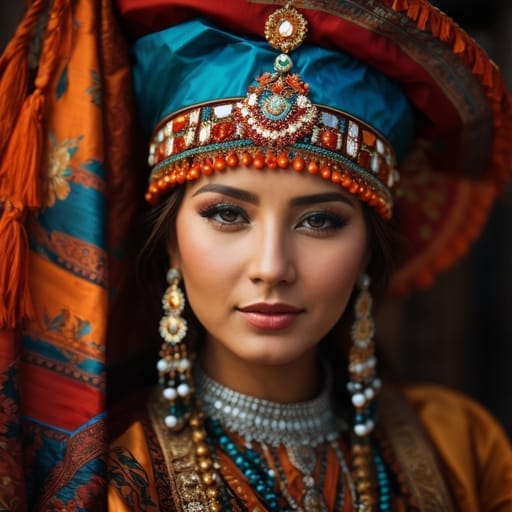
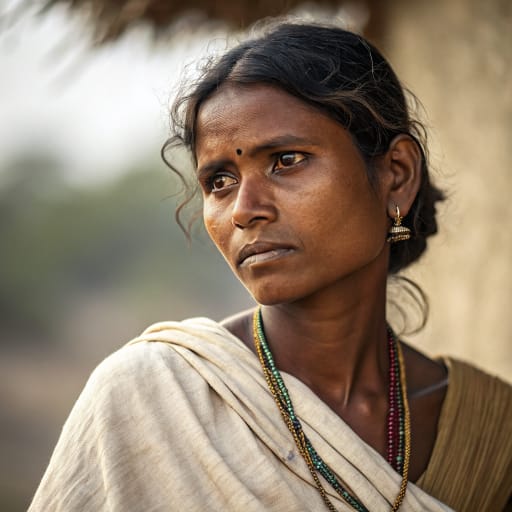
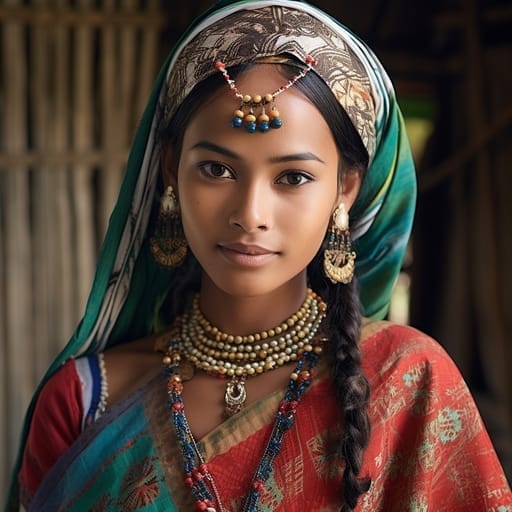
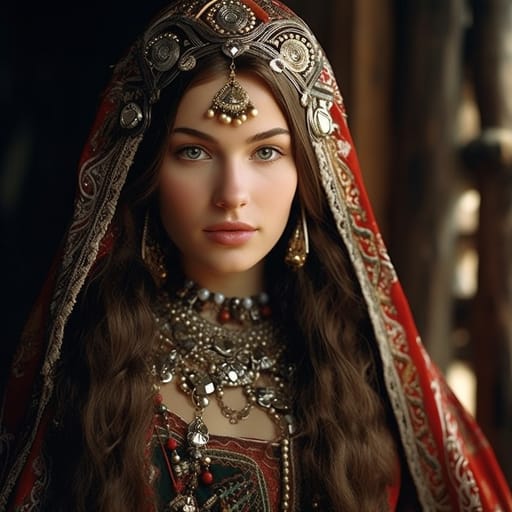
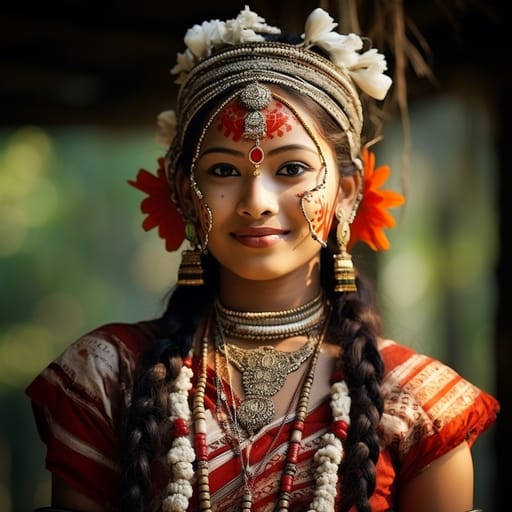
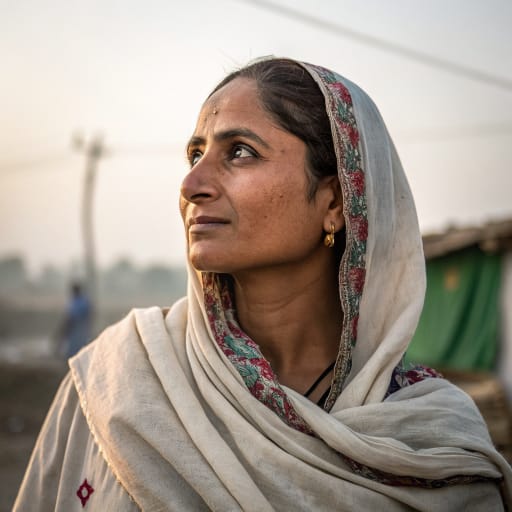
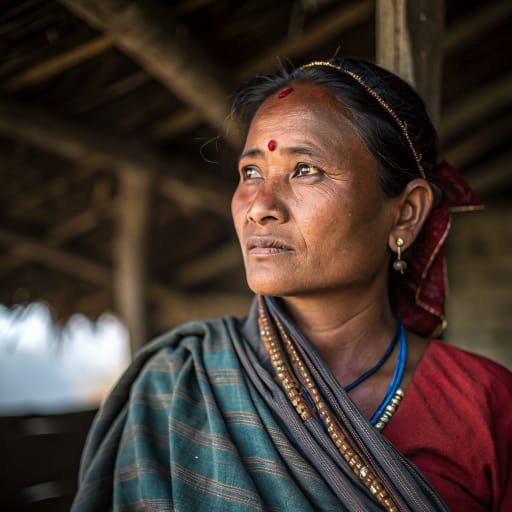
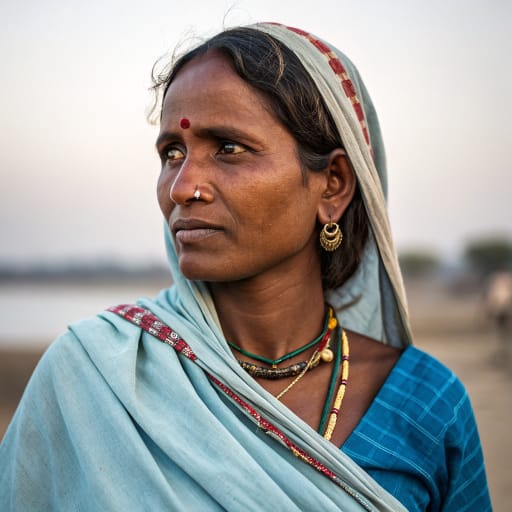
Typical Ghorbati Phenotypes
Reference for AI generation: hair, eyes, skin, facial structure, build
Explore phenotype categories
Structured taxonomy with peer-reviewed scales · 22 anatomical categories
Erotic Poses & Sex Positions
From the pose catalog: 219 named positions with reference skeletons
Frequently asked questions about Ghorbati people
Where is the Ghorbati homeland?
The Ghorbati homeland is Afghanistan and Iran, traditionally traveling between villages and market towns; many families now settled on the edges of towns and cities in Southern Asia.
What language do Ghorbati people speak?
Ghorbati people primarily speak Persian, Dari in Afghanistan (Indo-European, Iranian); a private in-group trade vocabulary.
What religion do Ghorbati people practice?
The predominant religion among Ghorbati people is Islam.






Make your own Ghorbati images
Five a day, free, no credits to buy. The studio starts from this group's phenotype data, so you can set body type, pose and style and keep the traits accurate.
Start with Ghorbati