Help us get this right
Does this portrait look right for Monpa?
Nobody has judged this one yet. You would be the first.
Monpa Erotic
Tawang and West Kameng, Arunachal Pradesh, India (also Bhutan and Tibet, China)
Monpa languages such as Tawang Monpa (Sino-Tibetan, Bodish)
Tibetan Buddhism (Gelugpa)
Tawang Monpa and other regional Monpa groups
About Monpa People
The Monpa are a Tibetic-influenced people of the western districts of Arunachal Pradesh in northeast India, centred on Tawang and West Kameng, with related communities in Bhutan and in Tibet, China. They speak Monpa languages, Bodish tongues of the Sino-Tibetan family, and number in the tens of thousands. They are devout followers of Tibetan Buddhism.
Society and subsistence
Monpa life is shaped by the Gelugpa school of Tibetan Buddhism, focused on Tawang Monastery, one of the largest in the region and traditionally linked to the birthplace of the sixth Dalai Lama. Subsistence combines terraced and shifting cultivation of rice, maize, millet and buckwheat with the herding of yak and cattle at high altitude, along with the weaving of wool and the making of hand-made paper and wooden vessels. Villages are organised around monasteries and household lineages, with Buddhist festivals such as Losar and masked cham dances marking the year. Prayer flags, chortens and mani walls are prominent in the landscape. For centuries the Monpa were linked by trade and pilgrimage to Tibet, exchanging local produce for salt, wool and religious goods across the high passes.
Appearance and adornment
The most recognisable Monpa item is the black yak-hair cap known as the gurdam or shamo, with five long twisted tassels that channel rainwater away from the face. Dress is suited to a cold, high-altitude life: thick woollen robes and jackets, striped woven aprons and leather boots, ornamented with coral, turquoise and silver. Prayer beads, amulet boxes (gau) and small Buddhist charms are commonly worn. In and around Tawang, monks in maroon robes and lay people in wool are a familiar sight, with masked cham costumes worn at festivals. Monpa craftsmen are also known for thangka painting, carved wooden masks and bowls, and a traditional handmade paper made from local shrubs, skills tied closely to monastic life.
Related ethnic groups
Groups that share Monpa's homeland, region, language, or religious tradition. These are likely candidates for comparative phenotype reference.
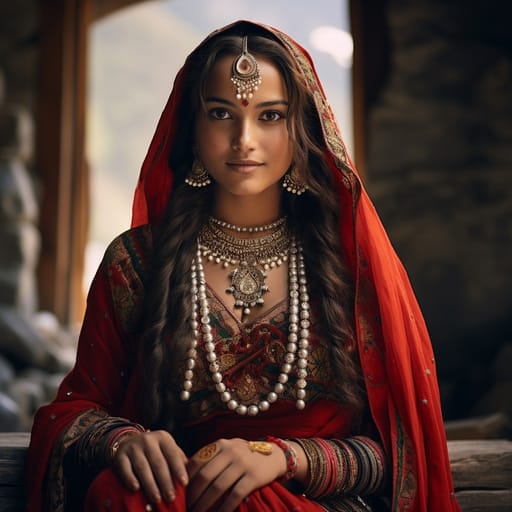
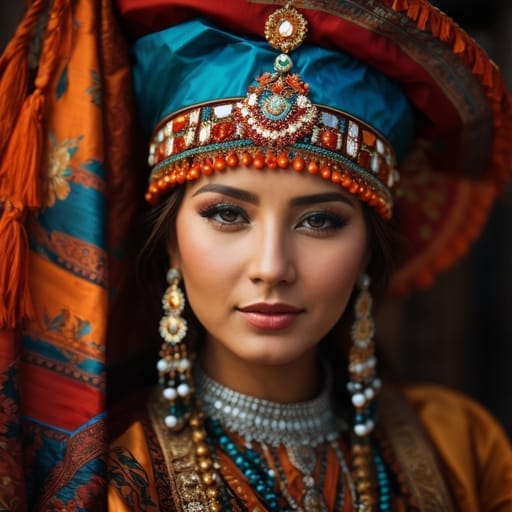
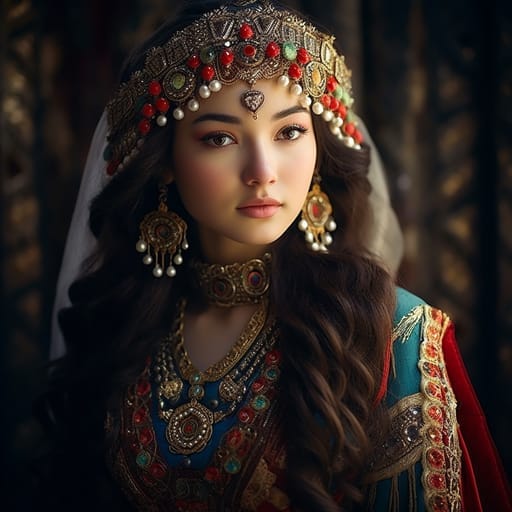
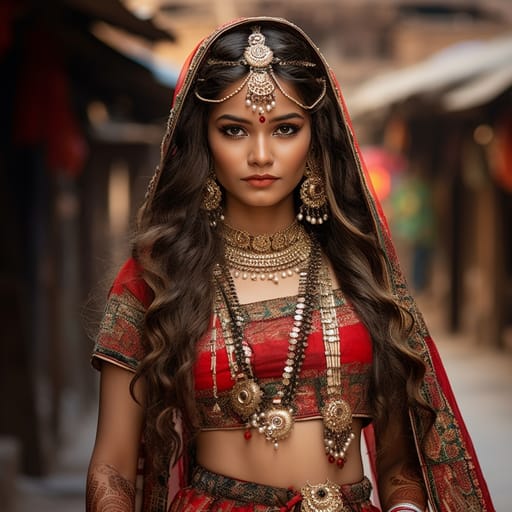
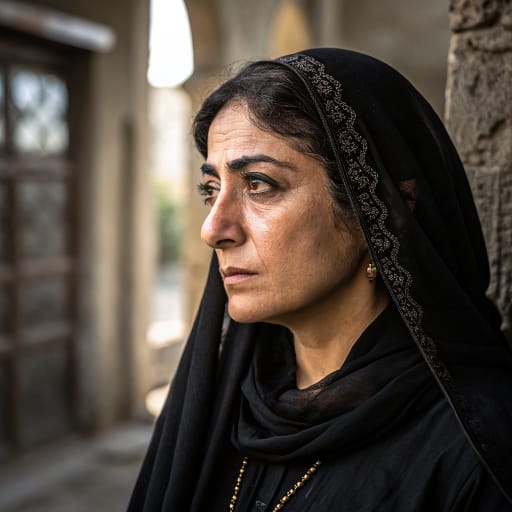
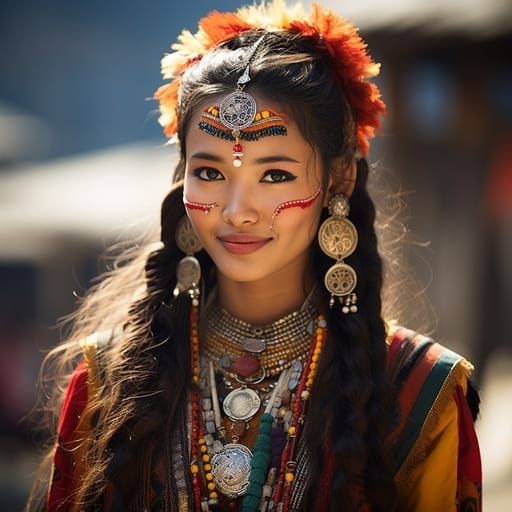
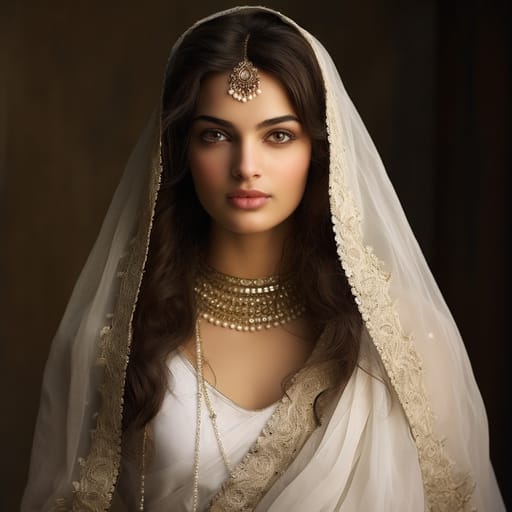
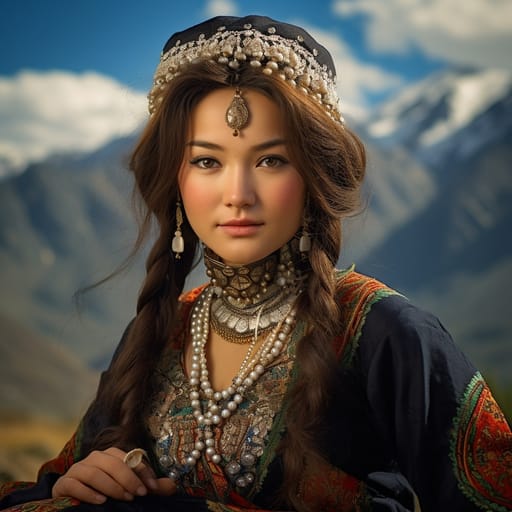
Typical Monpa Phenotypes
Reference for AI generation: hair, eyes, skin, facial structure, build
Explore phenotype categories
Structured taxonomy with peer-reviewed scales · 22 anatomical categories
Notable Monpa People
14 reference figures, sourced from Wikipedia
- Tsangyang Gyatso, 6th Dalai Lama
- Ngawang Tashi Bapu, popularly known as "Lama Tashi", Grammy Award nominee in the Traditional Worl…
- Prem Khandu Thungan, former Chief Minister of Arunachal Pradesh
- Dorjee Khandu, former Chief Minister of Arunachal Pradesh
- Pema Khandu, current Chief minister of Arunachal Pradesh
- Dorjee Wangdi Kharma, politician
- Tsewang Dhondup, politician
- Phurpa Tsering, politician
- Jambey Tashi, politician
- Tsering Tashi, politician
- Anshu Jamsenpa, mountaineer
- Karma Wangchu, Padma Shri ,politician and social worker
- Tsering Lhamu, politician
- Namgey Tsering, politician
Erotic Poses & Sex Positions
From the pose catalog: 219 named positions with reference skeletons
Frequently asked questions about Monpa people
Where is the Monpa homeland?
The Monpa homeland is Tawang and West Kameng, Arunachal Pradesh, India (also Bhutan and Tibet, China) in Southern Asia.
What language do Monpa people speak?
Monpa people primarily speak Monpa languages such as Tawang Monpa (Sino-Tibetan, Bodish).
What religion do Monpa people practice?
The predominant religion among Monpa people is Tibetan Buddhism (Gelugpa).






Make your own Monpa images
Five a day, free, no credits to buy. The studio starts from this group's phenotype data, so you can set body type, pose and style and keep the traits accurate.
Start with Monpa