No portrait yet
Pankho Erotic
Chittagong Hill Tracts of southeastern Bangladesh, chiefly Rangamati district (Bilaichhari and nearby upazilas), with some in Bandarban; related communities in Mizoram, India.
Pangkhua (Kuki-Chin branch of Sino-Tibetan), close to Bawm and Mizo; most also speak Bengali.
Overwhelmingly Christian, mostly Protestant; formerly an indigenous religion with a creator, Patyen, and a patron spirit, Khozing.
Kuki-Chin (Zo) peoples; reported in two divisions, Pangkhua and Vanzang; closely tied to the Bawm and, in Mizoram, counted within the Mizo.
About Pankho People
The Pankho, who call themselves Pangkhua, are one of the smallest hill peoples of the Chittagong Hill Tracts. They number a few thousand, and their sense of themselves rests on a shared ancestral village, a Kuki-Chin language and, today, the church. The name is usually explained as the village (khua) of the pang, the silk-cotton tree. This was a settlement in the Lushai Hills from which they say their forebears walked west. Most now live in Rangamati district of southeastern Bangladesh, with Bilaichhari as the center of gravity and smaller clusters in neighboring hill upazilas. Relatives across the border in Mizoram are generally counted within the broader Mizo fold.
Their language, Pangkhua, belongs to the Kuki-Chin branch of Sino-Tibetan and sits close to Bawm and Mizo among its neighbors. It is under real pressure. Schooling runs in Bengali, the markets run in Bengali and the larger hill languages, and a community this small has little room to lose speakers. The Pankho have long been paired with the Bawm. The British administrator T. H. Lewin, writing in the late 1860s, recorded a tradition that the two peoples descend from a pair of brothers. He noted that you could tell them apart by the hair: Pankho men knotted it at the back of the head, Bawm men on top. He also wrote down their older religion, with a creator called Patyen and a patron spirit, Khozing.
That religion has largely given way. Over the twentieth century Christianity spread through the Kuki-Chin hills from the Mizo side, and the Pankho are now overwhelmingly Christian, mostly Protestant. Sunday services, hymn singing and Christmas gatherings organize the village calendar the way harvest rites once did. The economy is still rooted in jhum, the rotating hillside fields cleared by fire and planted with rice, cotton and vegetables. Fruit gardens, wage work and schooling in the towns pull at younger people. Villages traditionally sit high on ridges, with houses raised on bamboo platforms.
Politically, the Pankho are recognized by name in the 1997 Chittagong Hill Tracts Peace Accord, where they share a single reserved regional council seat with several other small groups. That detail says a lot about their position. They are acknowledged, but outnumbered many times over by Chakma, Marma and Bengali settlers, and they depend on their own stubbornness to stay distinct.
Related ethnic groups
Groups that share Pankho's homeland, region, language, or religious tradition. These are likely candidates for comparative phenotype reference.
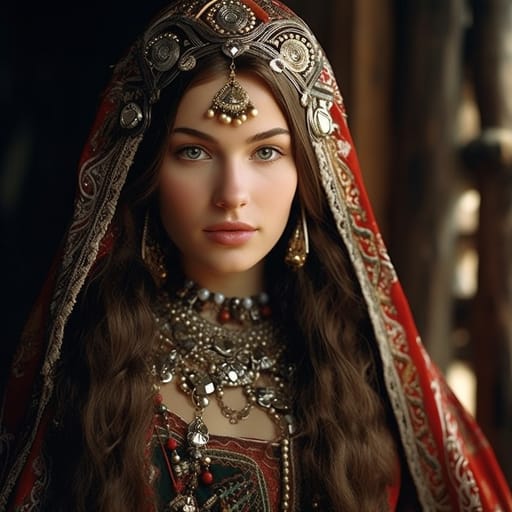
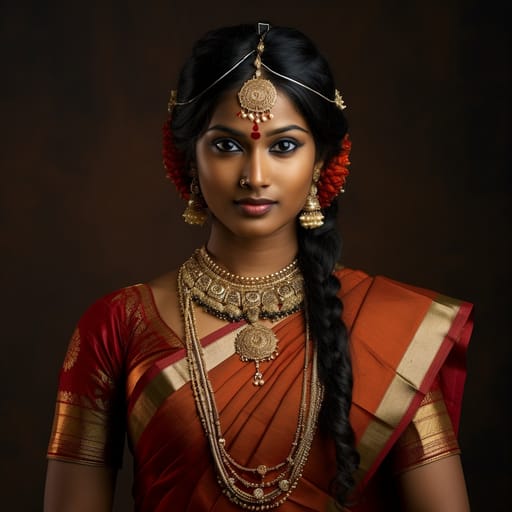
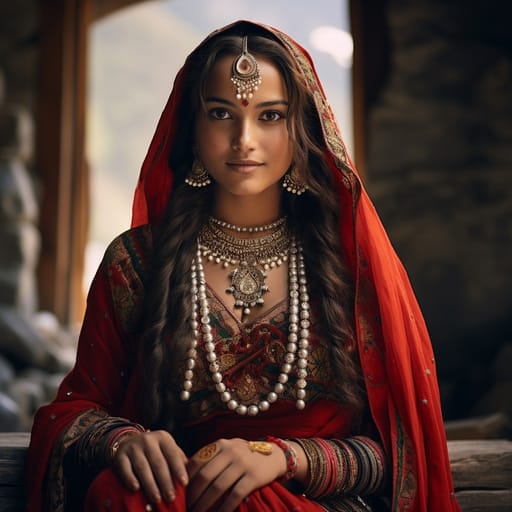
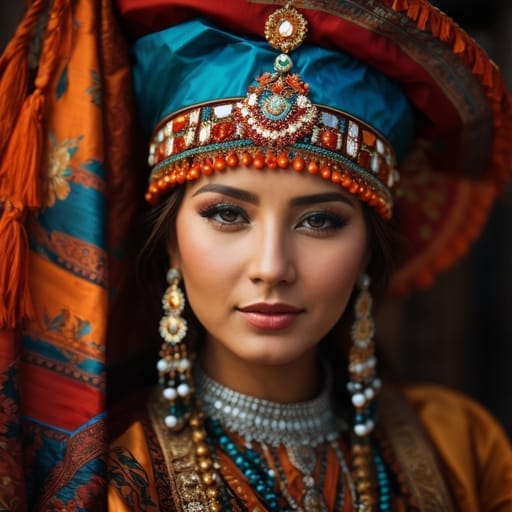
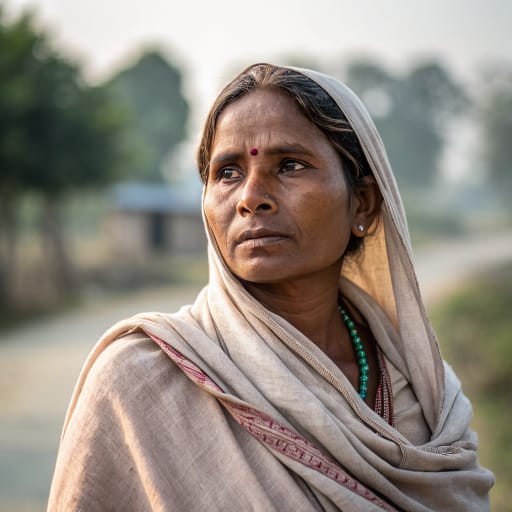
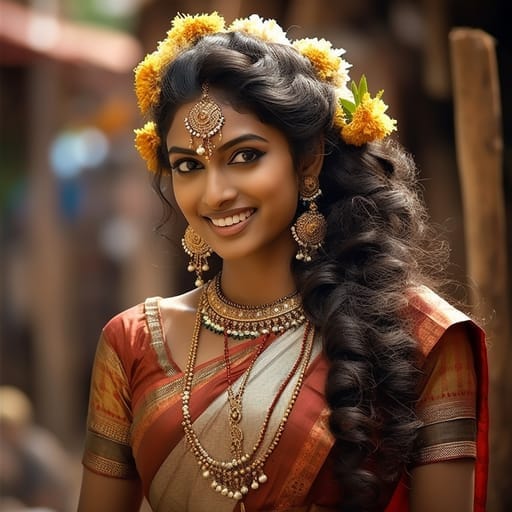
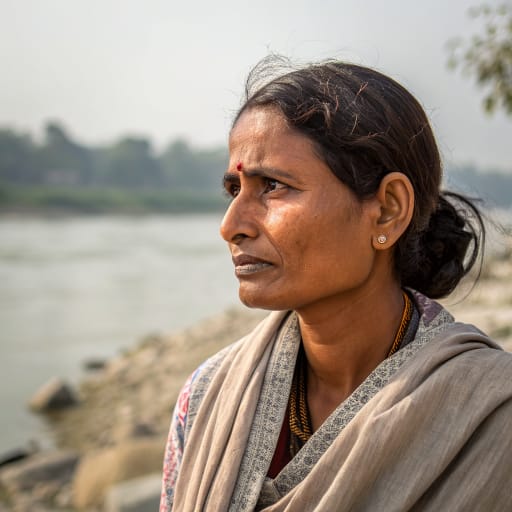
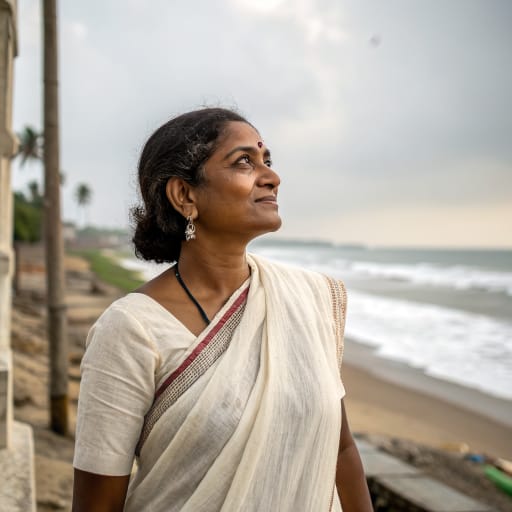
Typical Pankho Phenotypes
Reference for AI generation: hair, eyes, skin, facial structure, build
Explore phenotype categories
Structured taxonomy with peer-reviewed scales · 22 anatomical categories
Erotic Poses & Sex Positions
From the pose catalog: 219 named positions with reference skeletons
Frequently asked questions about Pankho people
Where is the Pankho homeland?
The Pankho homeland is Chittagong Hill Tracts of southeastern Bangladesh, chiefly Rangamati district (Bilaichhari and nearby upazilas), with some in Bandarban; related communities in Mizoram, India. in Southern Asia.
What language do Pankho people speak?
Pankho people primarily speak Pangkhua (Kuki-Chin branch of Sino-Tibetan), close to Bawm and Mizo; most also speak Bengali..
What religion do Pankho people practice?
The predominant religion among Pankho people is Overwhelmingly Christian, mostly Protestant; formerly an indigenous religion with a creator, Patyen, and a patron spirit, Khozing..






Make your own Pankho images
Five a day, free, no credits to buy. The studio starts from this group's phenotype data, so you can set body type, pose and style and keep the traits accurate.
Start with Pankho