Help us get this right
Does this portrait look right for Marri?
Nobody has judged this one yet. You would be the first.
Marri Erotic
Marri tribal country in northeastern Balochistan, Pakistan: Kohlu district around Kahan, with the tribe also settled in Sibi and Quetta, upper Sindh and the Dera Ghazi Khan area of Punjab.
Eastern (Sulemani) Balochi (Northwestern Iranian, Indo-European); Sindhi and Saraiki among long-settled Marri in Sindh and southern Punjab; Urdu as the national language.
Sunni Islam (Hanafi), historically worn lightly, with tribal custom and the sardar carrying more day-to-day authority than clerics.
A Baloch tribe traditionally traced to the Rind; three main sections, Ghazani (the sardar's section), Loharani and Bijarani, each divided into clans under their own headmen.
About Marri People
The Marri are the Baloch tribe that has most often taken up arms against whoever ruled from the plains, British or Pakistani, and that record is as much a part of Marri identity as the hills they hold. Their country is a block of dry, broken upland in northeastern Balochistan, centered on Kohlu district and the old tribal seat at Kahan, with Pashtun tribes to the north and their Bugti cousins and rivals to the south. Rain is scarce, the valleys grow a little wheat, and for most of their history the Marri lived by moving sheep, goats and camels between seasonal pastures, topped up by raiding the plains below. They speak Eastern Balochi, the Sulemani dialect, a Northwestern Iranian language whose aspirated consonants show centuries of contact with Sindhi and set Marri speech apart from the Balochi of Makran or Rakhshan. Marri families who settled in upper Sindh and around Dera Ghazi Khan generations ago now speak Sindhi or Saraiki and still carry the tribal name.
The tribe traces itself to the Rind and, like other Baloch tribes, grew by absorbing outsiders, who became Marri within a generation or two. Three sections make up the whole, Ghazani, Loharani and Bijarani, each under its own headmen, with the sardar drawn from the Ghazani. Older accounts describe tribal land held in common and periodically reallotted among the sections, a practice that distinguished the Marri from neighbors who held land as families. They are Sunni Muslims, but religion has historically sat lightly beside the tribal code: hospitality that cannot be refused, the duty to shelter anyone who asks for refuge, blood compensation settled by jirga, and loyalty to the sardar over any cleric. In 1840 a British column marching to relieve Kahan was cut to pieces in the passes below the town, and the tribe rose again in 1918 when the British pressed it for wartime recruits and levies. After 1947 the Marri became the backbone of armed Baloch nationalism. Sher Muhammad Marri led the guerrilla bands of the 1960s, and the war of 1973 to 1977 drove thousands of Marri families into southern Afghanistan, where they lived in camps until the early 1990s. Nawab Khair Bakhsh Marri, tribal chief until his death in 2014, stayed the movement's most uncompromising voice, and his sons split between exile, insurgency and accommodation with the state. Coal at Chamalang and gas exploration around Kohlu keep Marri land at the center of the argument over who owns Balochistan.
Related ethnic groups
Groups that share Marri's homeland, region, language, or religious tradition. These are likely candidates for comparative phenotype reference.
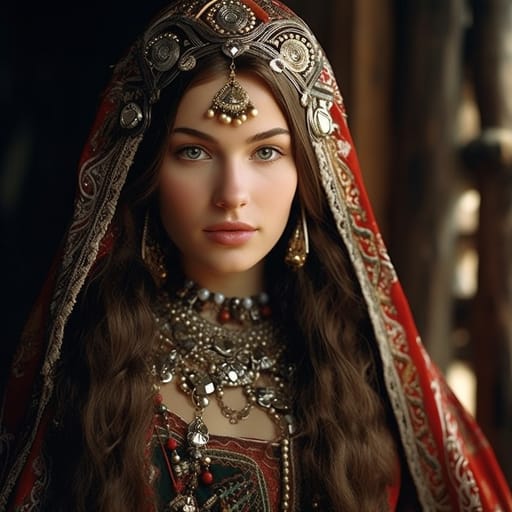
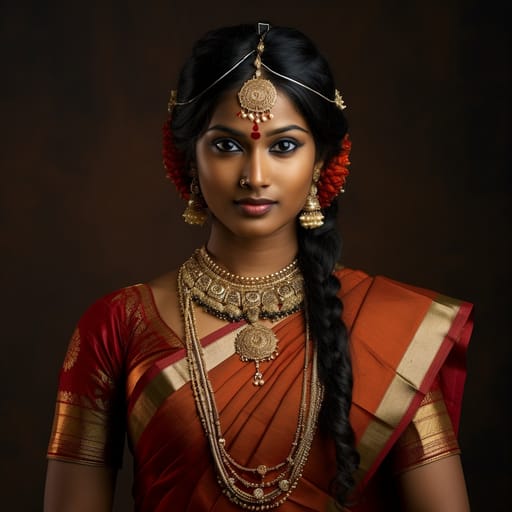
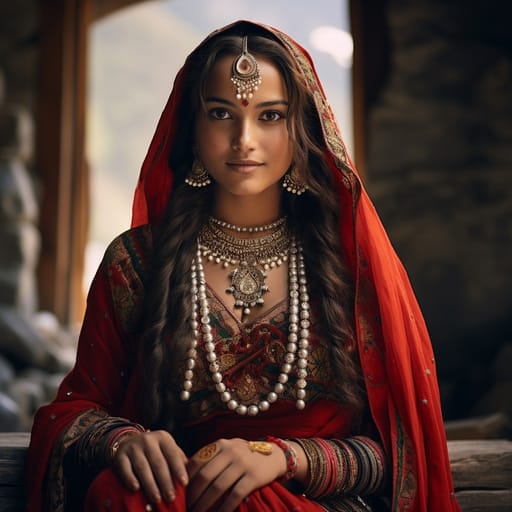
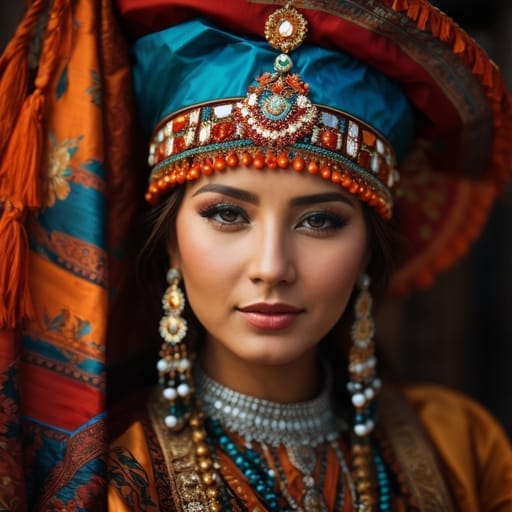
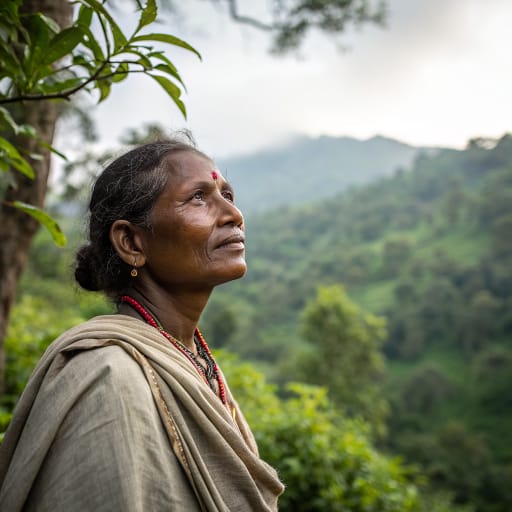
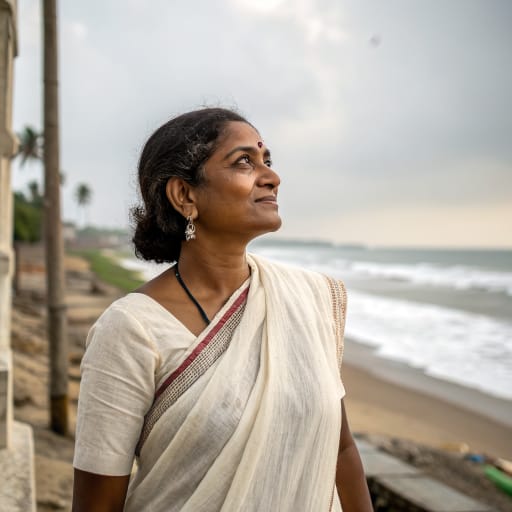
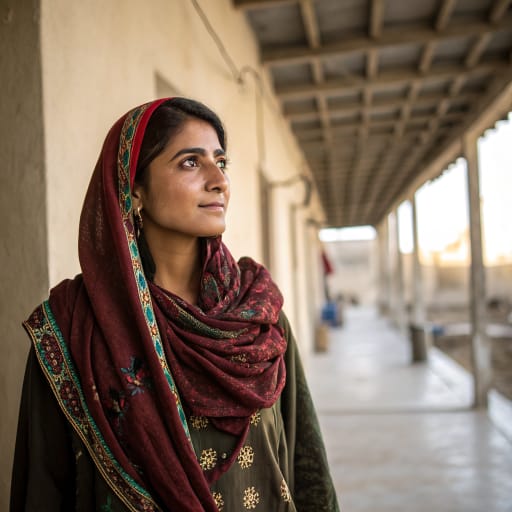
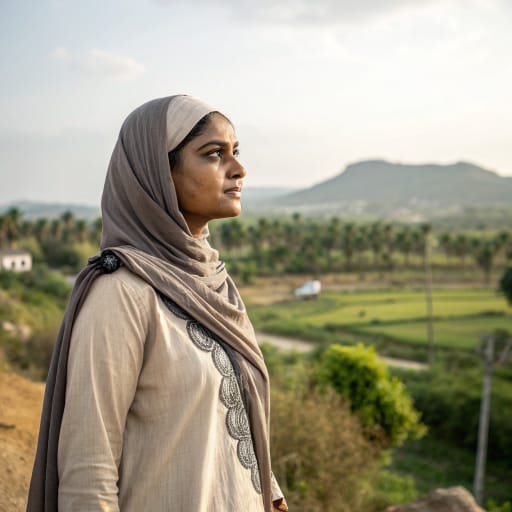
Typical Marri Phenotypes
Reference for AI generation: hair, eyes, skin, facial structure, build
Explore phenotype categories
Structured taxonomy with peer-reviewed scales · 22 anatomical categories
Erotic Poses & Sex Positions
From the pose catalog: 219 named positions with reference skeletons
Frequently asked questions about Marri people
Where is the Marri homeland?
The Marri homeland is Marri tribal country in northeastern Balochistan, Pakistan: Kohlu district around Kahan, with the tribe also settled in Sibi and Quetta, upper Sindh and the Dera Ghazi Khan area of Punjab. in Southern Asia.
What language do Marri people speak?
Marri people primarily speak Eastern (Sulemani) Balochi (Northwestern Iranian, Indo-European); Sindhi and Saraiki among long-settled Marri in Sindh and southern Punjab; Urdu as the national language..
What religion do Marri people practice?
The predominant religion among Marri people is Sunni Islam (Hanafi), historically worn lightly, with tribal custom and the sardar carrying more day-to-day authority than clerics..






Make your own Marri images
Five a day, free, no credits to buy. The studio starts from this group's phenotype data, so you can set body type, pose and style and keep the traits accurate.
Start with Marri