Help us get this right
Does this portrait look right for Chaush?
One tap. It takes a second and it is recorded.
1 says it looks right, 0 say it looks off.
Chaush Erotic
Hyderabad, Telangana, India, centered on the Barkas neighborhood of the Old City; ancestral origin in Hadhramaut, Yemen
Dakhini Urdu (Indo-Aryan, Indo-European); Arabic (Semitic, Afroasiatic) for religious and heritage use
Sunni Islam, largely of the Shafi'i school
Branch of the Hadhrami Arab diaspora; families of Yafai and other Hadhrami tribal descent within the wider Hyderabadi Muslim community
About Chaush People
In Hyderabad, the name Chaush marks a family as Arab by descent, and more specifically as descended from soldiers. The word is the old Ottoman rank çavuş, a sergeant. It stuck to the Hadhrami men from what is now Yemen who came to the Deccan in the eighteenth and nineteenth centuries to fight for the Nizams of Hyderabad. They arrived as hired fighters. Over time their commanders, the jamadars, became men of real money and influence at court. Their base was a set of military lines on the southern edge of the Old City. The barracks gave the neighborhood its name, Barkas, and Barkas is still the heart of the community.
The Arabic their ancestors spoke has mostly given way to Dakhini, the Hyderabadi form of Urdu. Arabic survives in prayer and in family names like Yafai and the patronymic bin. The Chaush are Sunni Muslims, and many follow the Shafi'i school brought over from Hadhramaut, which sets them slightly apart from the Hanafi majority among Hyderabad's Muslims. In Barkas, religion sits right inside ordinary life, in the neighborhood mosque, in the family, and on the calendar of weddings and feasts.
Two turning points shaped them. The first ran back toward Arabia: money earned in the Nizam's service flowed home, and the Qu'aiti family, which made its fortune commanding Arab troops in Hyderabad, used that wealth to build a sultanate at Shihr and Mukalla on the Hadhrami coast. The second came in 1948, when India annexed Hyderabad State and broke up the military establishment that had employed the community for generations. Families that had lived by soldiering had to find new work. In later decades many found it in Saudi Arabia and the Gulf states, reopening a link to the Arabian Peninsula that had never fully closed.
The best-known Chaush legacy now belongs to the whole city. Marfa, the pounding Hadhrami drum ensemble, plays at countless Hyderabadi wedding processions, whoever the families are. Barkas is also where the city goes for mandi, rice and slow-cooked meat served on a shared platter. Hyderabad's famous haleem is often traced to the Arab harees these soldiers brought with them. A community that began as a garrison has ended up setting the sound and flavor of the city's celebrations.
Related ethnic groups
Groups that share Chaush's homeland, region, language, or religious tradition. These are likely candidates for comparative phenotype reference.
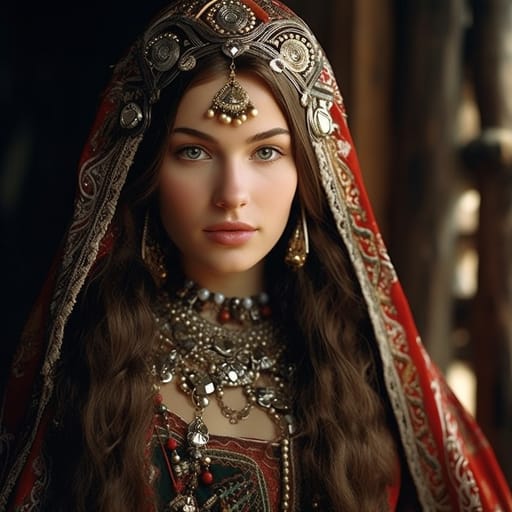
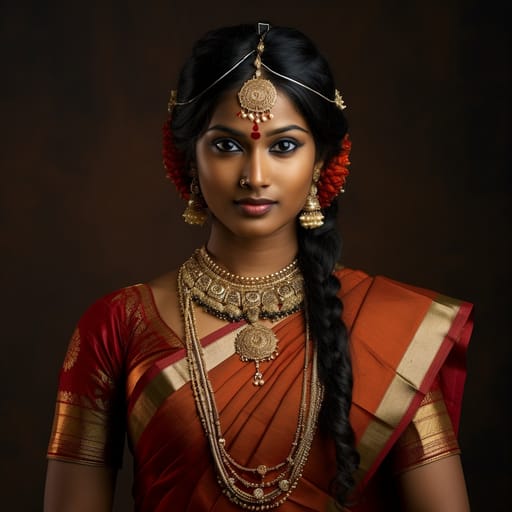
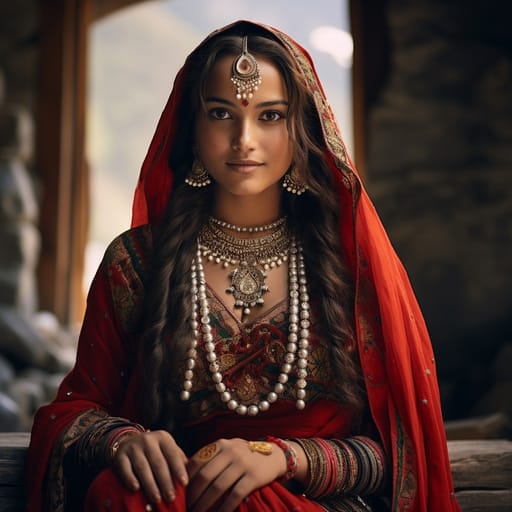
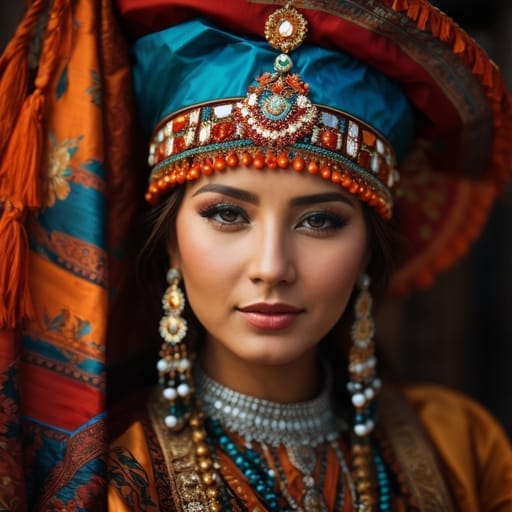
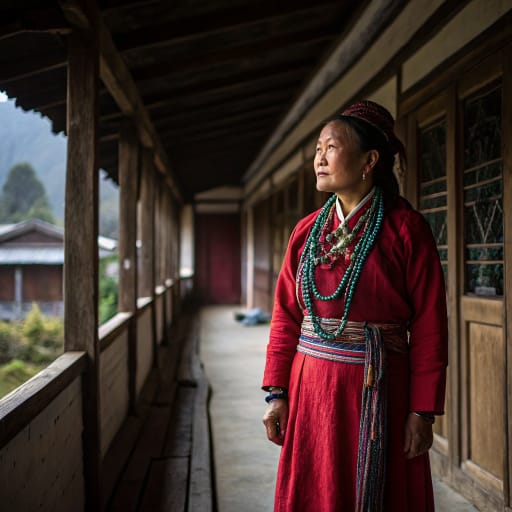
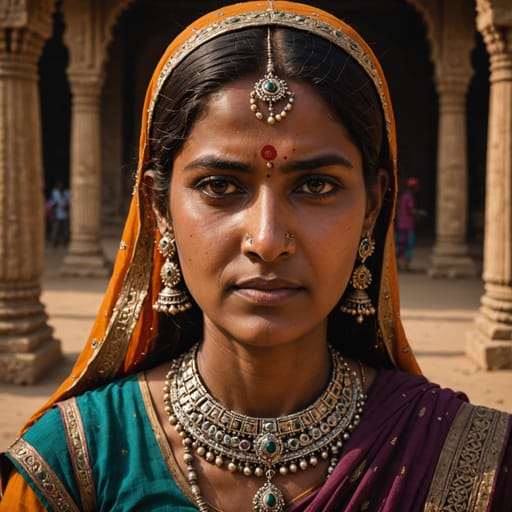
Typical Chaush Phenotypes
Reference for AI generation: hair, eyes, skin, facial structure, build
Explore phenotype categories
Structured taxonomy with peer-reviewed scales · 22 anatomical categories
Erotic Poses & Sex Positions
From the pose catalog: 219 named positions with reference skeletons
Frequently asked questions about Chaush people
Where is the Chaush homeland?
The Chaush homeland is Hyderabad, Telangana, India, centered on the Barkas neighborhood of the Old City; ancestral origin in Hadhramaut, Yemen in Southern Asia.
What language do Chaush people speak?
Chaush people primarily speak Dakhini Urdu (Indo-Aryan, Indo-European); Arabic (Semitic, Afroasiatic) for religious and heritage use.
What religion do Chaush people practice?
The predominant religion among Chaush people is Sunni Islam, largely of the Shafi'i school.






Make your own Chaush images
Five a day, free, no credits to buy. The studio starts from this group's phenotype data, so you can set body type, pose and style and keep the traits accurate.
Start with Chaush