Help us get this right
Does this portrait look right for Ezhava?
Nobody has judged this one yet. You would be the first.
Ezhava Erotic
Kerala, southwestern India, especially the former Travancore and Cochin regions, with Thiyya kin in Malabar and a large diaspora in the Gulf states
Malayalam (Dravidian)
Mostly Hindu, strongly shaped by Sree Narayana Guru's reform teaching; Bhagavathy worship and serpent groves; a notable secular and rationalist strand
Thiyya of Malabar (sometimes counted separately), Chovan, Ilavar; chekavar warrior lineages; related to the Billava of coastal Karnataka
About Ezhava People
It is hard to describe the Ezhavas without starting with one man, Sree Narayana Guru. They are Kerala's largest Hindu community, roughly a fifth of the state's population. Under the caste order of the old Travancore and Cochin kingdoms they were ranked as polluting. They were kept out of temples and off the roads that ran beside them, and custom tied them to coconut palms, toddy tapping, weaving and folk medicine. The Guru was born into an Ezhava family near Thiruvananthapuram in 1856, and he broke that arrangement from the inside. In 1888 he consecrated a Shiva image at Aruvippuram, a rite that only Brahmins were allowed to perform. In 1903 the SNDP Yogam was founded with him as its president, and it pushed for schools, government jobs and temple access. Ezhava activists were central to the Vaikom Satyagraha of 1924 and 1925, a fight over the right to walk the roads around a temple. Travancore opened its state temples to all Hindus in 1936. The community went on to produce the poet Kumaran Asan, a strong base for Kerala's communist parties, and several of the state's chief ministers.
Faith still follows his lead. Most Ezhavas are Hindu, but the temples the Guru founded favor plain worship over costly ritual. At some of them he installed a mirror, a lamp or a written motto instead of an idol. His line one caste, one religion, one God for humanity remains the community's best-known motto. Every year at the turn of the year, pilgrims dressed in yellow gather at Sivagiri in Varkala, where his samadhi stands. Older practice runs alongside all this: serpent groves in family compounds, Bhagavathy shrines and rites for ancestors. The mother tongue is Malayalam, a Dravidian language. In the north live the closely related Thiyya, some of whom insist on a separate identity. Many northern Thiyya families kept matrilineal inheritance into the twentieth century. Their chekavar lineages, trained in kalaripayattu, gave the northern ballads their heroes, Aromal Chekavar and his sister Unniyarcha. Across the border, the Billava of coastal Karnataka are counted as kin. In the seventeenth century an Ezhava physician, Itty Achudan, supplied much of the plant knowledge behind the Dutch survey Hortus Malabaricus. The name is often traced to Eelam, an old name for Sri Lanka, but that is a story told with confidence rather than proven history.
Related ethnic groups
Groups that share Ezhava's homeland, region, language, or religious tradition. These are likely candidates for comparative phenotype reference.
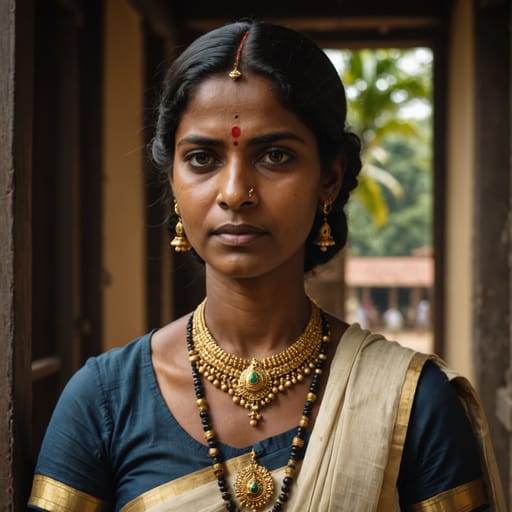
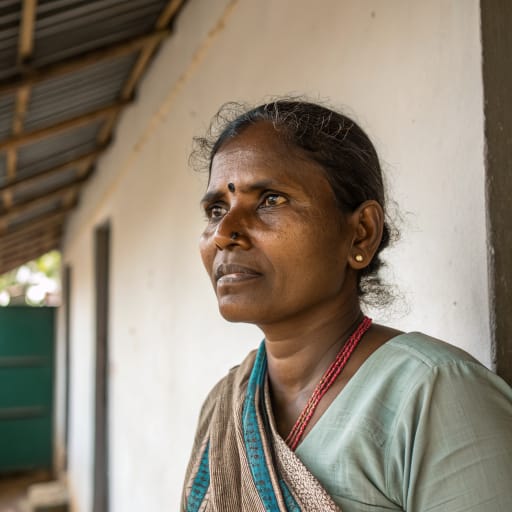
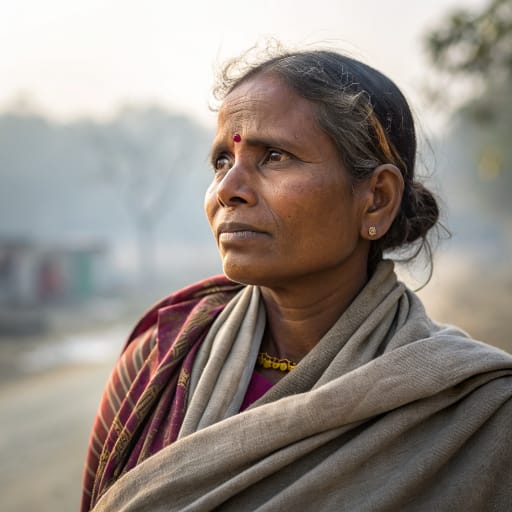
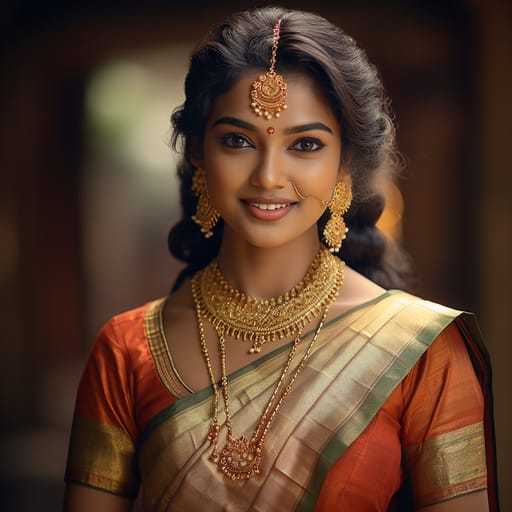
Typical Ezhava Phenotypes
Reference for AI generation: hair, eyes, skin, facial structure, build
Explore phenotype categories
Structured taxonomy with peer-reviewed scales · 22 anatomical categories
Erotic Poses & Sex Positions
From the pose catalog: 219 named positions with reference skeletons
Frequently asked questions about Ezhava people
Where is the Ezhava homeland?
The Ezhava homeland is Kerala, southwestern India, especially the former Travancore and Cochin regions, with Thiyya kin in Malabar and a large diaspora in the Gulf states in Southern Asia.
What language do Ezhava people speak?
Ezhava people primarily speak Malayalam (Dravidian).
What religion do Ezhava people practice?
The predominant religion among Ezhava people is Mostly Hindu, strongly shaped by Sree Narayana Guru's reform teaching; Bhagavathy worship and serpent groves; a notable secular and rationalist strand.






Make your own Ezhava images
Five a day, free, no credits to buy. The studio starts from this group's phenotype data, so you can set body type, pose and style and keep the traits accurate.
Start with Ezhava