No portrait yet
Samantan Erotic
Malabar in northern and central Kerala, India, especially the Kozhikode, Malappuram and Palakkad areas
Malayalam (Dravidian)
Hinduism, with strong hereditary ties to temples such as Guruvayur and Thali in Kozhikode
An aristocratic division within the Nair caste cluster of Kerala, sometimes classed separately as Samanta Kshatriya; lineages include the Eradi, Vellodi and Nedungadi
About Samantan People
The Samantans are the old ruling and landholding houses of Malabar, a small aristocratic layer of Kerala Hindu society. Their name comes from the Sanskrit samanta, a feudatory lord. Their place in the caste order has always been argued over. They rank above the broad Nair population but below the Kshatriya royal lines and the Nambudiri Brahmins. Some count them as the highest division of the Nairs, and others treat them as a caste of their own under the name Samanta Kshatriya. Ritual rank and political power did not line up: families that were ranked below Kshatriyas still ruled kingdoms, led fighting men and ran major temples.
The best known lineages are the Eradis, whose senior man ruled Kozhikode as the Zamorin, the Vellodis of Valluvanad and the Nedungadis. The rivalry between these houses shaped the region. The Zamorin took from the ruler of Valluvanad the right to preside over the Mamankam, a festival held every twelve years on the banks of the Bharathappuzha at Thirunavaya. For generations Valluvanad answered by sending small bands of sworn warriors, the chavers, on attacks they did not expect to survive. It was also the Zamorin whom Vasco da Gama met after landing near Kozhikode in 1498, so a Samantan court stood at the start of Europe's sea route to India.
Samantans speak Malayalam, the Dravidian language that grew apart from old Tamil, and their courts supported poets writing in both Sanskrit and Malayalam. Like other high status Malayali families, they traditionally followed marumakkathayam, inheritance through the female line. Property belonged to the taravad, the joint household, and authority went to the senior man descended through the family's women, so a ruler was usually followed by a nephew rather than a son. Hindu worship ran through both private and public life. The Zamorins were trustees of the Guruvayur temple, and one of them, Manaveda, composed the Krishnanattam dance drama that is still performed there. The same court held the Revathi Pattathanam, a yearly contest and award for scholars at the Thali temple in Kozhikode.
The old order broke down in stages. When Mysore invaded Malabar in the 1760s, ruling families fled south to Travancore. British rule then turned the rajas into pensioned landlords, and in independent Kerala, land reform and the legal end of the matrilineal joint family broke up the estates. Today the Samantan identity survives less as political power than as family heritage, carried by house names, hereditary temple roles and the ancestral kovilakams.
Related ethnic groups
Groups that share Samantan's homeland, region, language, or religious tradition. These are likely candidates for comparative phenotype reference.
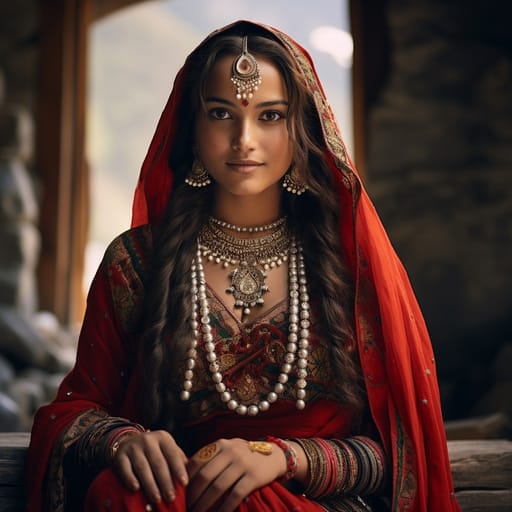
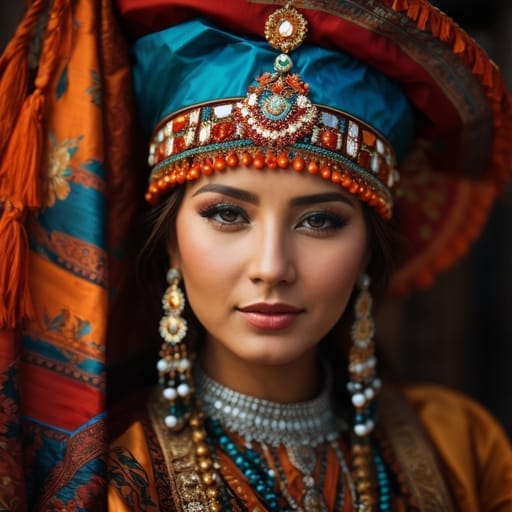
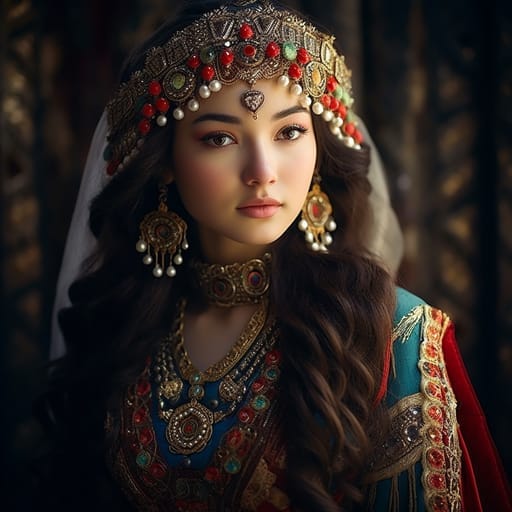
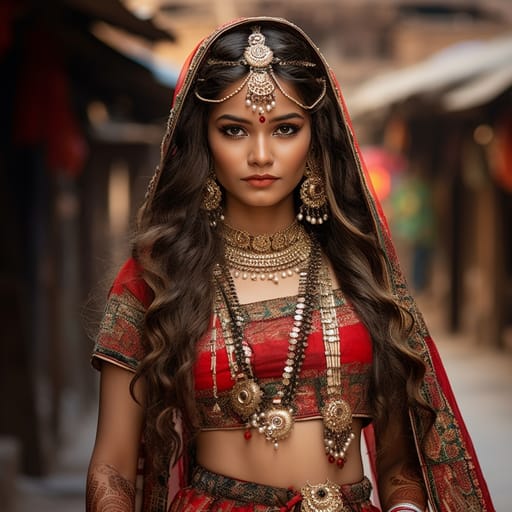
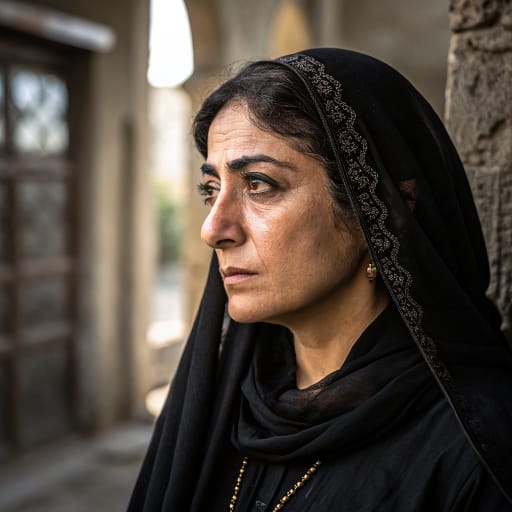
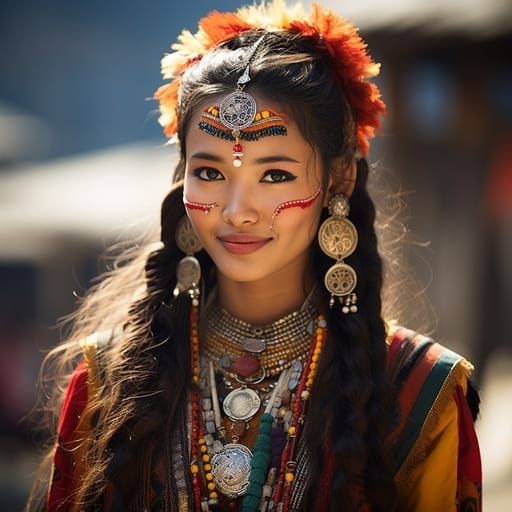
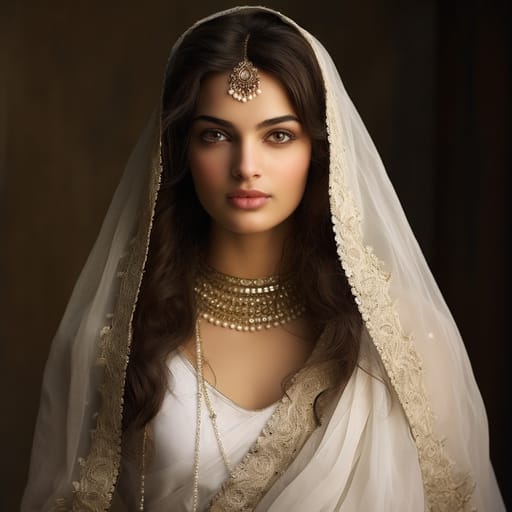
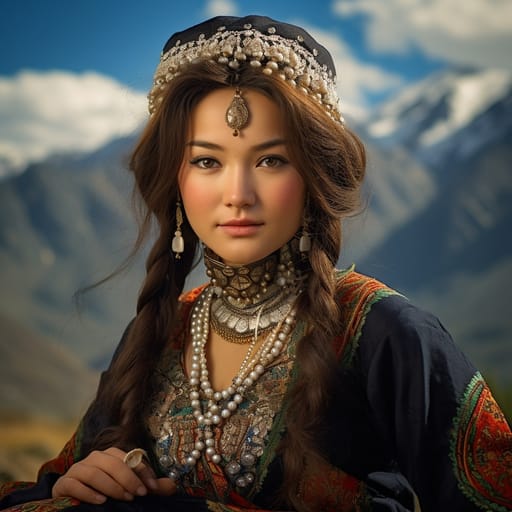
Typical Samantan Phenotypes
Reference for AI generation: hair, eyes, skin, facial structure, build
Explore phenotype categories
Structured taxonomy with peer-reviewed scales · 22 anatomical categories
Erotic Poses & Sex Positions
From the pose catalog: 219 named positions with reference skeletons
Frequently asked questions about Samantan people
Where is the Samantan homeland?
The Samantan homeland is Malabar in northern and central Kerala, India, especially the Kozhikode, Malappuram and Palakkad areas in Southern Asia.
What language do Samantan people speak?
Samantan people primarily speak Malayalam (Dravidian).
What religion do Samantan people practice?
The predominant religion among Samantan people is Hinduism, with strong hereditary ties to temples such as Guruvayur and Thali in Kozhikode.






Make your own Samantan images
Five a day, free, no credits to buy. The studio starts from this group's phenotype data, so you can set body type, pose and style and keep the traits accurate.
Start with Samantan