Help us get this right
Does this portrait look right for Hajong?
Nobody has judged this one yet. You would be the first.
Hajong Erotic
The Garo Hills foothills and adjoining plains of Meghalaya and western Assam in India, and the Mymensingh, Netrokona, Sherpur and Sunamganj districts of northern Bangladesh, with a resettled community in Arunachal Pradesh.
Hajong (Indo-Aryan, Eastern, with a Tibeto-Burman substratum), written in the Assamese script; Assamese and Bengali widely used alongside it.
Hindu, with household and village deity worship and ritual tied to the rice cycle.
Recognized as a Scheduled Tribe in Meghalaya; culturally grouped with the plains-edge peoples of the Assam and Meghalaya borderland, alongside Rabha, Koch and Garo neighbors.
About Hajong People
The Hajong live on a seam. Their villages sit in the flat, wet country where the Garo and Khasi hills drop away into the Brahmaputra plain, which puts them between hill peoples above and Assamese and Bengali farmers below, and they have taken something from both without becoming either. They grow irrigated rice with plow and buffalo in a region where the neighboring hill communities long cleared and burned their plots instead, and that difference in how the land is worked is one of the oldest markers of who is Hajong and who is not.
The language is the puzzle outsiders notice first. Hajong is classified as Indo-Aryan, a close relative of Assamese and of the Bengali spoken around it, and it is written in the Assamese script, yet it carries an unmistakable Tibeto-Burman undertow in its vocabulary and its grammar. The usual reading is that the community changed languages at some point without changing much else about itself: the ancestors most likely spoke a Tibeto-Burman tongue, and the shift left fingerprints all over the one they use now. Religion took a similar route. Hajongs are Hindu, but the practice that matters day to day is local, built on household and village deities and on offerings timed to the rice calendar rather than on any distant temple establishment.
Politics has marked them hard. In the Mymensingh countryside of the 1930s and 1940s, Hajong tenants carried the Tonk movement against a rent system that extracted a fixed weight of paddy from a tenant regardless of what the field actually produced. It was long, it was violent, and it produced Rashimoni Hajong, a woman shot by police in 1946 after leading villagers to free another woman the police had seized; she is remembered on both sides of the border. The system was abolished around 1950. Partition then cut their country in half, the Kaptai dam and communal pressure pushed thousands out of East Pakistan, and families resettled alongside Chakma neighbors in Arunachal Pradesh in the 1960s spent roughly five decades in Indian courts arguing for citizenship. Today Hajongs are found in Meghalaya, Assam and northern Bangladesh, a Scheduled Tribe on the Indian side, small enough in number to worry seriously about the language and organized enough to be doing something about it.
Related ethnic groups
Groups that share Hajong's homeland, region, language, or religious tradition. These are likely candidates for comparative phenotype reference.
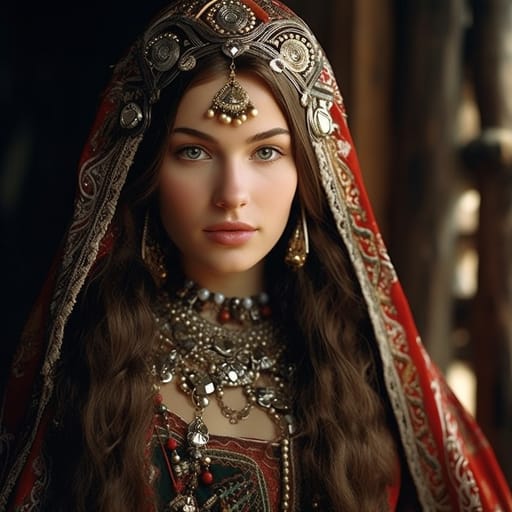
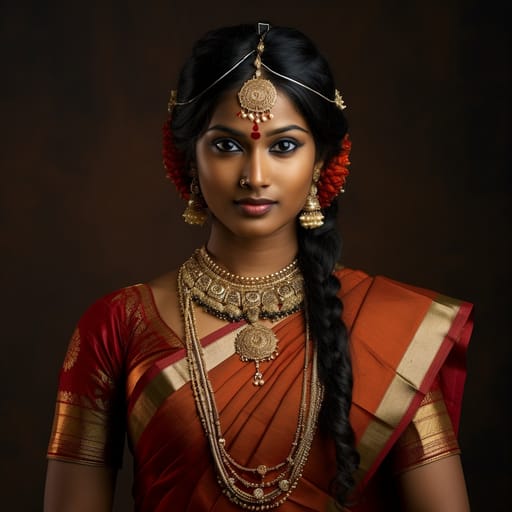
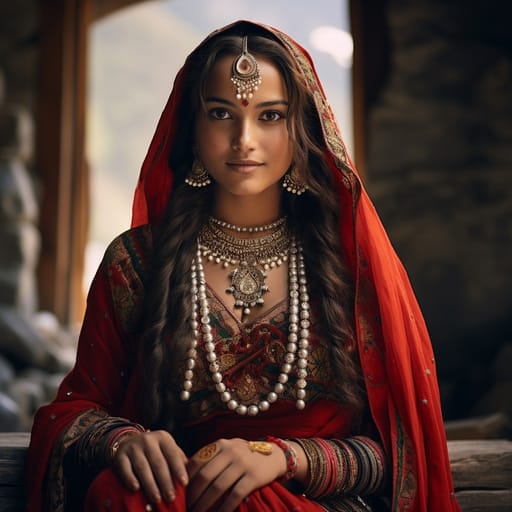
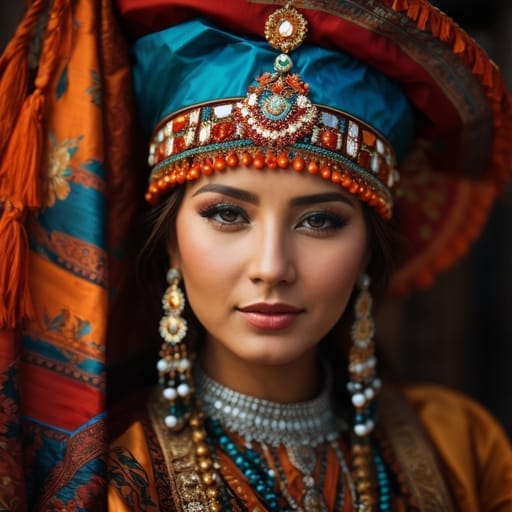
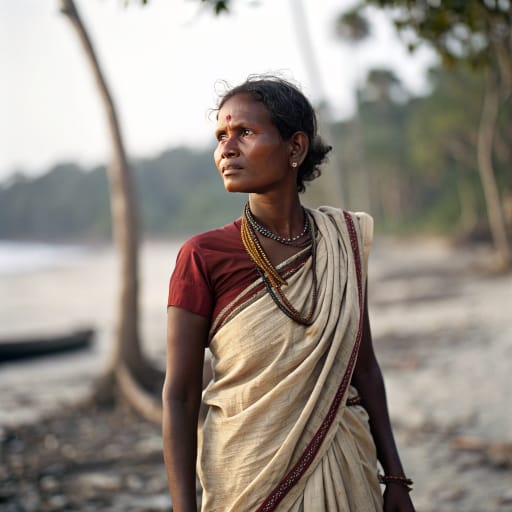
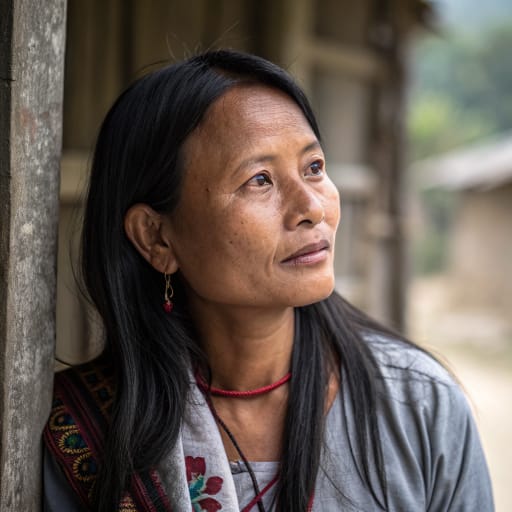
Typical Hajong Phenotypes
Reference for AI generation: hair, eyes, skin, facial structure, build
Explore phenotype categories
Structured taxonomy with peer-reviewed scales · 22 anatomical categories
Erotic Poses & Sex Positions
From the pose catalog: 219 named positions with reference skeletons
Frequently asked questions about Hajong people
Where is the Hajong homeland?
The Hajong homeland is The Garo Hills foothills and adjoining plains of Meghalaya and western Assam in India, and the Mymensingh, Netrokona, Sherpur and Sunamganj districts of northern Bangladesh, with a resettled community in Arunachal Pradesh. in Southern Asia.
What language do Hajong people speak?
Hajong people primarily speak Hajong (Indo-Aryan, Eastern, with a Tibeto-Burman substratum), written in the Assamese script; Assamese and Bengali widely used alongside it..
What religion do Hajong people practice?
The predominant religion among Hajong people is Hindu, with household and village deity worship and ritual tied to the rice cycle..






Make your own Hajong images
Five a day, free, no credits to buy. The studio starts from this group's phenotype data, so you can set body type, pose and style and keep the traits accurate.
Start with Hajong