No portrait yet
Jamote Erotic
Lasbela and Hub districts of southern Balochistan, Pakistan, with communities in neighboring Karachi, Sindh
Sindhi, mainly the Lasi dialect (Indo-Aryan, Indo-European); Balochi and Urdu widely spoken as second languages
Sunni Islam
One of the Sindhi-speaking Lasi tribes of Las Bela; the Aliani clan, the line of the Jams of Las Bela, belongs to it; claims descent from the Samma
About Jamote People
The Jamote are the tribe most closely tied to Las Bela, the flat, hot farming country in southern Balochistan that runs down to the Arabian Sea just west of Karachi. They live in Pakistan's Baloch province, but the language spoken at home is Sindhi, and that one detail says a lot about who they are. The Jamote sit where the Sindhi and Baloch worlds meet, and many hold both identities comfortably. They sound like their neighbors across the Hub River in Sindh, and they take a full part in Balochistan's tribal politics.
Their speech is Lasi, the local dialect of Sindhi, which is an Indo-Aryan language. That sets them apart from Balochi, an Iranian language, and from Brahui, the Dravidian language spoken in the hills to the north. Most Jamote also speak Balochi or Urdu. Sunni Islam sets the rhythm of the year and of family life, and the regard for Sufi shrines that runs through Sindh reaches into Las Bela too.
By Jamote tradition, the tribe descends from the Samma, the Sindhi ruling family whose kings used the title Jam. The title stayed in use. For generations the Jams of Las Bela, from the Aliani branch of the Jamote, ruled a small princely state that answered to the Khan of Kalat and, above him, to the British. After Partition the state joined Pakistan and was eventually absorbed into Balochistan, but the family kept its standing. Jam Ghulam Qadir Khan, the last ruler, went on to serve as chief minister of the province. His son Jam Mohammad Yousaf and his grandson Jam Kamal Khan later held the same office. Few old ruling families in Pakistan have turned inherited authority into votes so directly, and politics in Lasbela still turns heavily on the Jam family.
Rural Jamote life has long depended on herding and on farming the river plains, the Porali above all. That is changing. Hub, once part of Las Bela and now its own district, has grown into an industrial extension of Karachi, and factory jobs and city life pull many younger people away from the land. Even so, the Jamote are still defined less by where their language came from than by the ground they have held.
Related ethnic groups
Groups that share Jamote's homeland, region, language, or religious tradition. These are likely candidates for comparative phenotype reference.

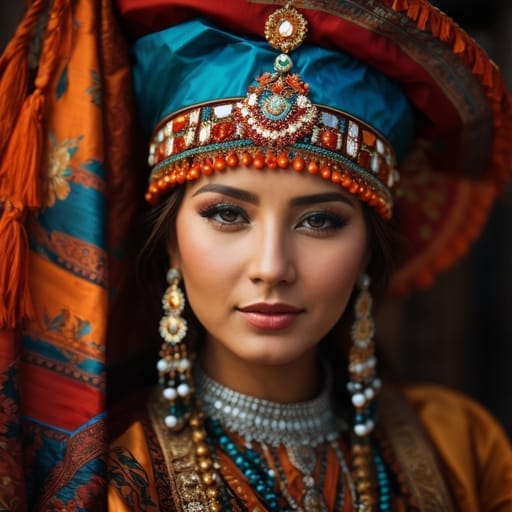


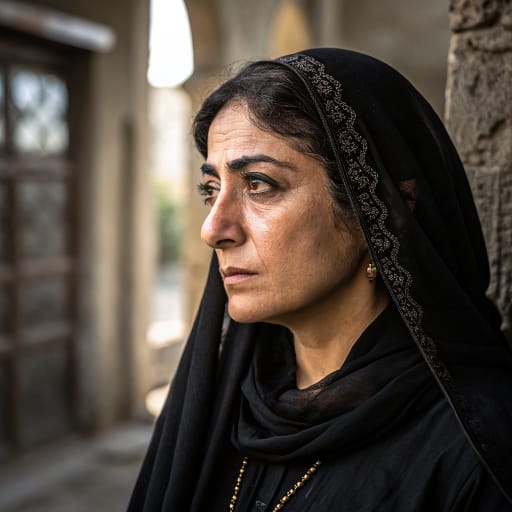
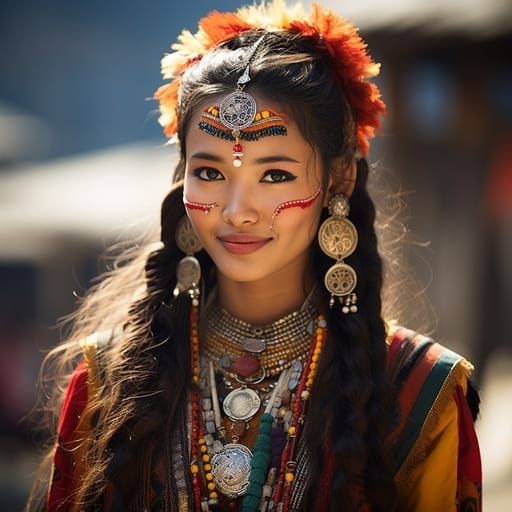

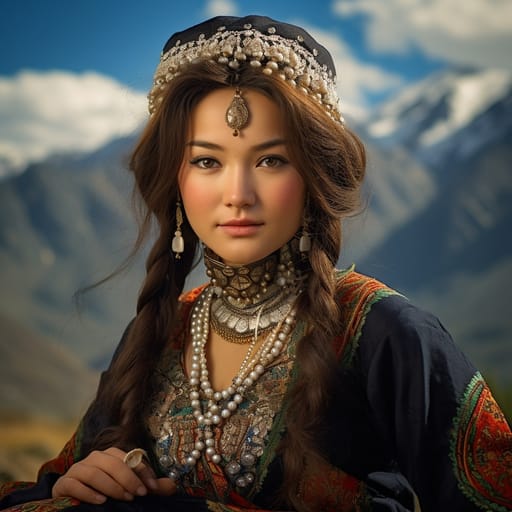
Typical Jamote Phenotypes
Reference for AI generation: hair, eyes, skin, facial structure, build
Explore phenotype categories
Structured taxonomy with peer-reviewed scales · 22 anatomical categories
Erotic Poses & Sex Positions
From the pose catalog: 219 named positions with reference skeletons
Frequently asked questions about Jamote people
Where is the Jamote homeland?
The Jamote homeland is Lasbela and Hub districts of southern Balochistan, Pakistan, with communities in neighboring Karachi, Sindh in Southern Asia.
What language do Jamote people speak?
Jamote people primarily speak Sindhi, mainly the Lasi dialect (Indo-Aryan, Indo-European); Balochi and Urdu widely spoken as second languages.
What religion do Jamote people practice?
The predominant religion among Jamote people is Sunni Islam.






Make your own Jamote images
Five a day, free, no credits to buy. The studio starts from this group's phenotype data, so you can set body type, pose and style and keep the traits accurate.
Start with Jamote