Help us get this right
Does this portrait look right for Mali?
Nobody has judged this one yet. You would be the first.
Mali Erotic
Northern, central, western and eastern India, especially Rajasthan, Uttar Pradesh, Bihar, Madhya Pradesh and Maharashtra, plus the Terai of Nepal
The regional languages of their home areas, including Hindi, Marathi, Rajasthani, Bhojpuri, Maithili, Bengali, Odia and Nepali (Indo-Aryan, Indo-European)
Hinduism, closely tied to temple worship and to devotional traditions such as the Varkari movement in Maharashtra
Crop-based divisions such as Phul Mali, Jire Mali and Halde Mali; many in Rajasthan and northern India use the name Saini; part of the wider family of Indian gardener and cultivator castes
About Mali People
The Mali are defined by a trade rather than a territory. Their name comes from mala, the garland, and for centuries the caste grew the flowers, vegetables and fruit that towns across northern, central and western India and the Nepal Terai relied on. Temple markets at dawn, heaped with marigold ropes, rose petals and strings of jasmine, run on the trade the caste is named for. Malis live across a wide belt, from Rajasthan and Uttar Pradesh through Bihar, Madhya Pradesh and Maharashtra to Bengal and Odisha. They speak the language of the region they live in: Marathi around Pune, Marwari around Jodhpur, Bhojpuri or Maithili in Bihar and across the Nepali border. What holds the caste together is not a shared language. It is a shared occupation, marriage within the group and a strong sense of common origin.
Hindu practice runs close to the work. Flowers are the raw material of daily worship, and Mali households have long supplied shrines, weddings and funerals. In Maharashtra that closeness produced a saint. Savata Mali, a thirteenth century gardener in the Varkari devotional tradition, sang that the onions, radishes and greens of his plot were all his god Vithoba. The divisions inside the caste often follow the crop. Maharashtrian Malis distinguish the Phul Mali, the flower growers, from the Jire Mali and Halde Mali, named for cumin and turmeric. In Rajasthan and parts of the north, many Malis have taken the name Saini, part of a broader push by caste associations over the last century for higher social standing.
From the garden to public life
The biggest turning point came in nineteenth century Pune. Jyotirao Phule was born into a Mali family whose surname came from the flower business. In 1848 he and his wife Savitribai opened a school for girls, and in 1873 he founded the Satyashodhak Samaj to challenge Brahmin control over ritual and learning. Phule made the Mali a reference point for anti-caste politics in western India, and the community still claims him with open pride. Today Malis are classed among the Other Backward Classes in most states. Many still work farm plots on the edges of cities or run flower stalls. The caste has also produced lawyers, teachers, engineers and politicians, among them Ashok Gehlot, who served three terms as chief minister of Rajasthan.
Related ethnic groups
Groups that share Mali's homeland, region, language, or religious tradition. These are likely candidates for comparative phenotype reference.
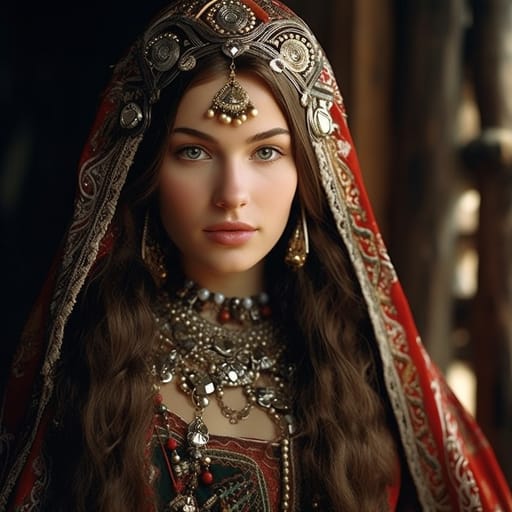
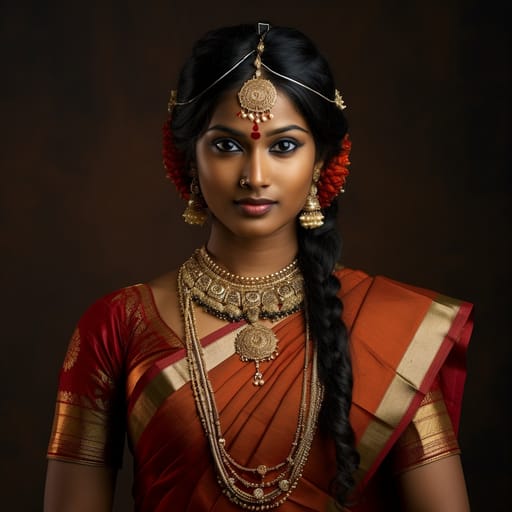
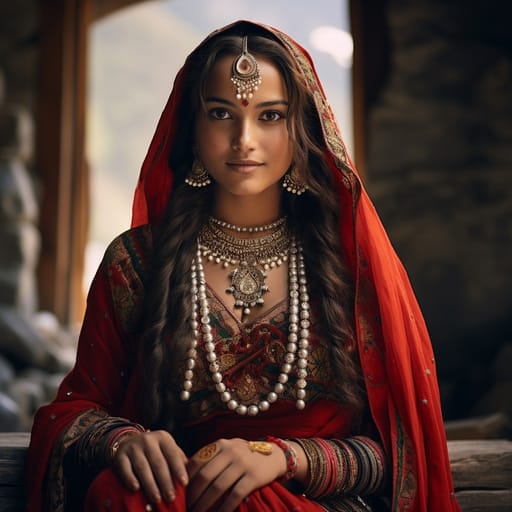
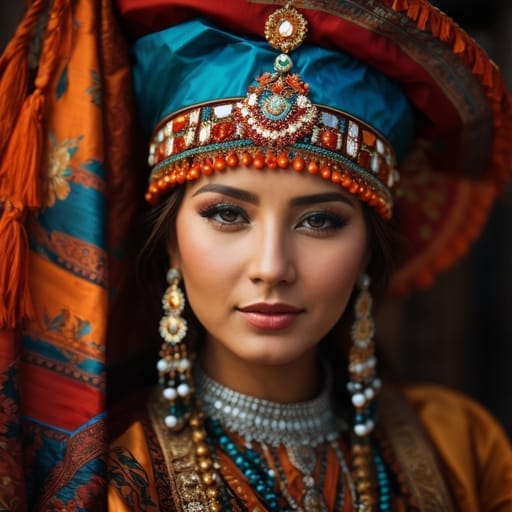
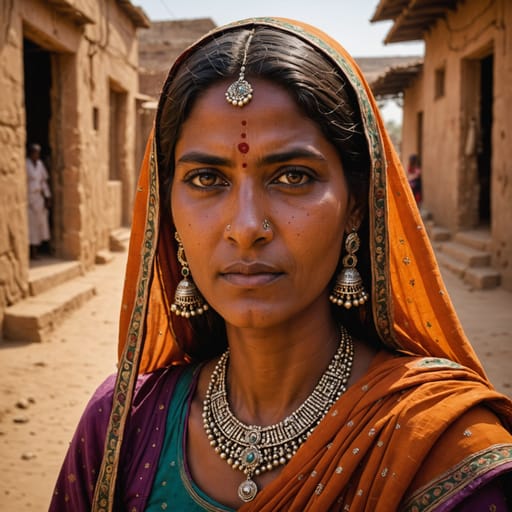
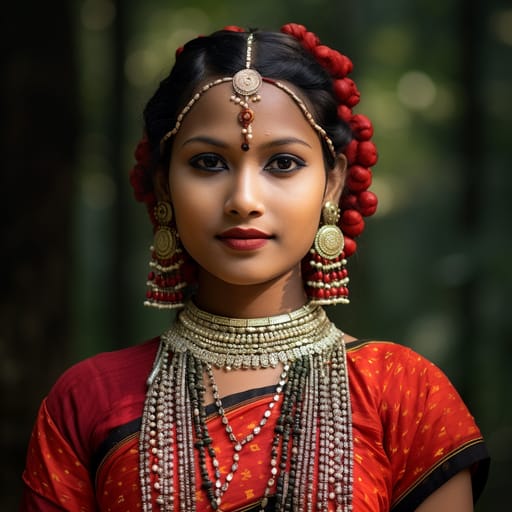
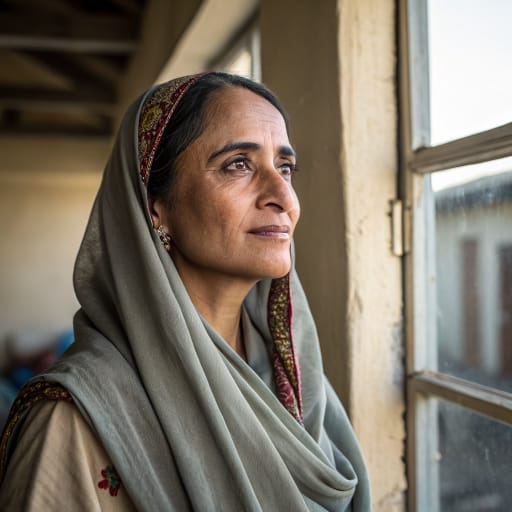
Typical Mali Phenotypes
Reference for AI generation: hair, eyes, skin, facial structure, build
Mali Body & Anatomy Reference
Per-feature anatomical profile for AI nude generation: Indo-Aryan / Dravidian South Asian phenotype
Mali Boobs & Breasts
Bust reference for Mali women: medium-to-large cup, moderate-to-full projection, which is typical of Indo-Aryan / Dravidian South Asian ancestry. Areolas measure about 32-46mm across, with medium-brown to dark-brown pigmentation. Body type (endomorph-to-mesomorph with fuller hip deposition) shapes the bust as well, so Mali tits are usually full and soft, generally fuller than the East Asian norm. In AI imagery, keep the forward-set shape rather than drifting toward the smaller East Asian bust profile.
Mali Ass & Hips
The Mali ass is typically medium-to-full, moderate-to-high projection, classic curvy hip profile, which sets it apart from the slim hip profile of East Asian women. Underneath, the pelvis shows medium-to-wide iliac crests, full gluteal-femoral fat distribution, part of the Indo-Aryan / Dravidian South Asian skeletal pattern. For Mali butt pics and AI renders, match that silhouette and the overall build (endomorph-to-mesomorph with fuller hip deposition).
Mali Vagina & Pussy
Mali pussy and vulvar anatomy presents medium-brown to dark-brown labial pigmentation, fuller labia minora projection, consistent with the Indo-Aryan / Dravidian South Asian phenotype's pigmentation pattern. Mali pubic hair is typically straight-to-wavy coarse texture, dense distribution, in the inverted-triangle pattern. For anatomically accurate Mali pussy renders the labial coloration should match the surrounding wheatish to brown skin tone with a continuous gradient, and the hair should keep its straight-to-wavy coarse texture.
Mali Dicks & Penis
Mali dicks follow the Indo-Aryan / Dravidian South Asian reference data: regional mean ~13cm erect; moderate girth; medium-brown shaft pigmentation. Shaft color should track the wheatish to brown skin tone with a smooth change toward the glans, and Mali pubic hair keeps its straight-to-wavy coarse texture.
Mali Body, Curves & Build
Mali body type and overall build presents as endomorph-to-mesomorph with fuller hip deposition, with mean adult female BMI 22-25: the characteristic Indo-Aryan / Dravidian South Asian habitus. Mali curves and proportions should keep the regional skeletal frame (height, shoulder-to-hip ratio, limb proportions) rather than a generic mesomorph default.
Mali Skin Tone & Hair Texture
Mali skin sits in the wheatish to brown (Fitzpatrick III-V) band. Hair is typically straight-to-wavy 1A-2B, dense, dark-brown to black, in keeping with the Indo-Aryan / Dravidian South Asian phenotype. In nude renders the skin should stay one even tone from face to body, and body, pubic and head hair should match.
Explore phenotype categories
Structured taxonomy with peer-reviewed scales · 22 anatomical categories
Erotic Poses & Sex Positions
From the pose catalog: 219 named positions with reference skeletons
Frequently asked questions about Mali people
Where is the Mali homeland?
The Mali homeland is Northern, central, western and eastern India, especially Rajasthan, Uttar Pradesh, Bihar, Madhya Pradesh and Maharashtra, plus the Terai of Nepal in Southern Asia.
What language do Mali people speak?
Mali people primarily speak The regional languages of their home areas, including Hindi, Marathi, Rajasthani, Bhojpuri, Maithili, Bengali, Odia and Nepali (Indo-Aryan, Indo-European).
What religion do Mali people practice?
The predominant religion among Mali people is Hinduism, closely tied to temple worship and to devotional traditions such as the Varkari movement in Maharashtra.






Make your own Mali images
Five a day, free, no credits to buy. The studio starts from this group's phenotype data, so you can set body type, pose and style and keep the traits accurate.
Start with Mali