Help us get this right
Does this portrait look right for Jamali?
Nobody has judged this one yet. You would be the first.
Jamali Erotic
The eastern plains of Balochistan, especially Jafarabad and Nasirabad districts, plus Jacobabad and other districts of northern Sindh, with smaller communities in Punjab, Pakistan
Balochi (Indo-European, Iranian); Sindhi and Saraiki (Indo-European, Indo-Aryan) also widely spoken
Sunni Islam (Hanafi), with strong ties to regional Sufi shrines
A tribe of the Baloch people, organized into clans under a hereditary sardar
About Jamali People
The Jamali are a Baloch tribe. Like most Baloch tribes, they are held together less by a single territory or dialect than by lineage and loyalty: a shared name, a line of chiefs and a set of clans that answer to them. Most live on the flat plain where Balochistan meets Sindh in Pakistan, especially in Jafarabad and Nasirabad districts. There are large communities just across the provincial line around Jacobabad, and smaller numbers elsewhere in Sindh and in Punjab.
This is not the mountain Balochistan most people picture. Jamali country is lowland farmland, some of the hottest inhabited ground in South Asia, and canals such as the Pat Feeder carry Indus water west to make it grow. Rice and wheat fields, landholding and water rights now shape daily life and local politics as much as herding once did. Being so flat also leaves the land badly exposed. The floods of 2010 and 2022 put much of it under water and drove whole villages from their homes.
Balochi, an Iranian language, is the ancestral tongue. But the Jamali live in a borderland where Sindhi, Saraiki and Brahui are all in daily use, and many Jamali families, particularly in Sindh, speak Sindhi at home. Belonging to the tribe rests on descent rather than on the language spoken around the table. Their religion is Sunni Islam, practiced through the mosque, family observance and the Sufi shrines scattered across the Indus plain. Festivals at those shrines draw crowds from every community nearby.
Authority still runs through the tribe. A hereditary chief, the sardar, stands at the top with clan elders below. The jirga, a council of elders, settles disputes over land, water and honor that families often prefer to keep out of the courts. The chiefly family's home at Rojhan Jamali has produced a string of national figures. Mir Jafar Khan Jamali worked alongside Muhammad Ali Jinnah in the movement for Pakistan, and Jafarabad district is named for him. His nephew, Mir Zafarullah Khan Jamali, served as chief minister of Balochistan and in 2002 became Prime Minister of Pakistan, the first from that province. Other Jamalis have also led the provincial government. Tribal leadership and elected office overlap like this all across the Baloch plains, where a chief's standing and a candidate's voters are often the same people.
Related ethnic groups
Groups that share Jamali's homeland, region, language, or religious tradition. These are likely candidates for comparative phenotype reference.
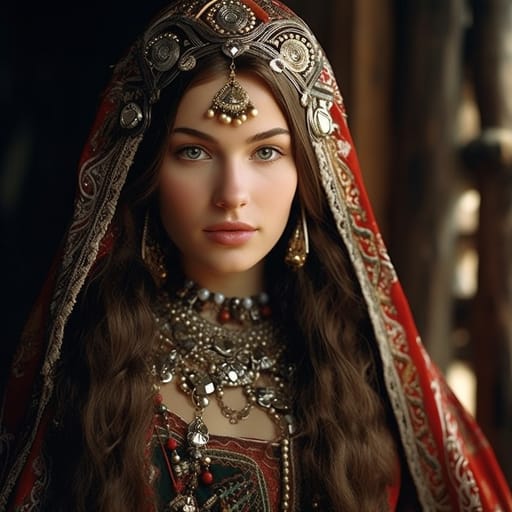
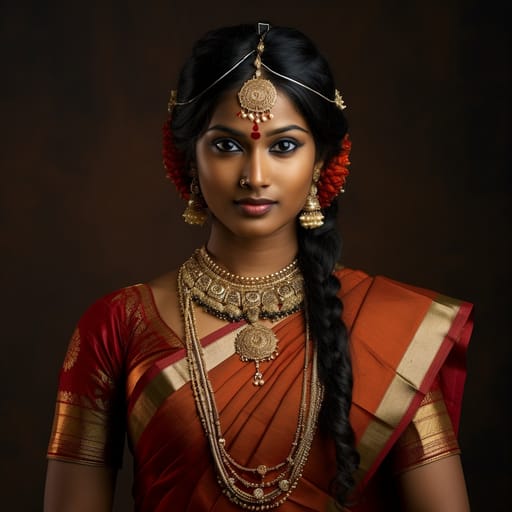
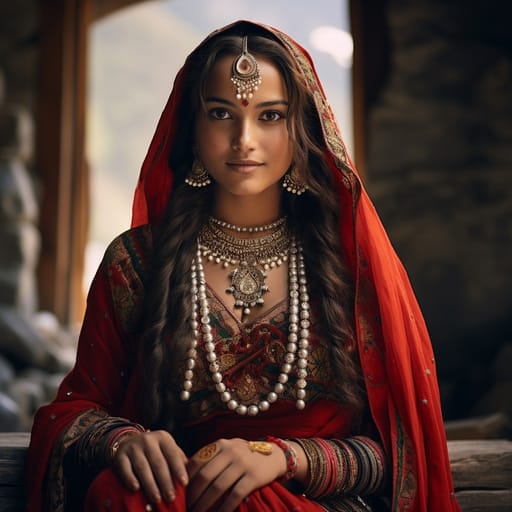
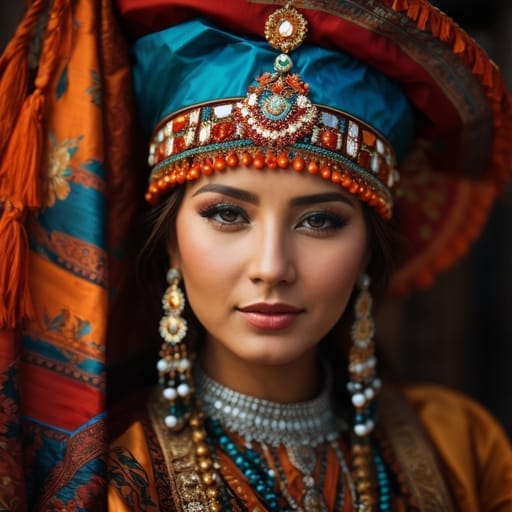
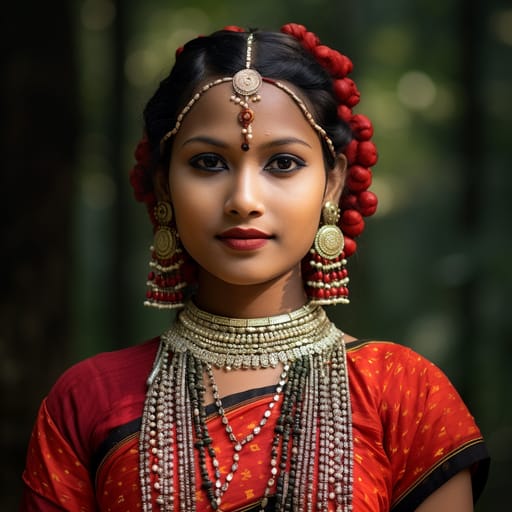
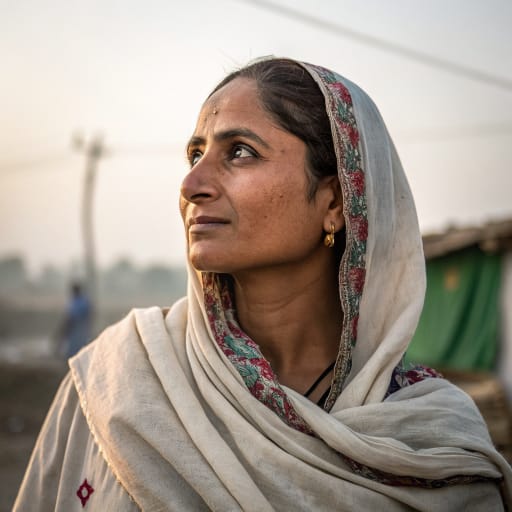
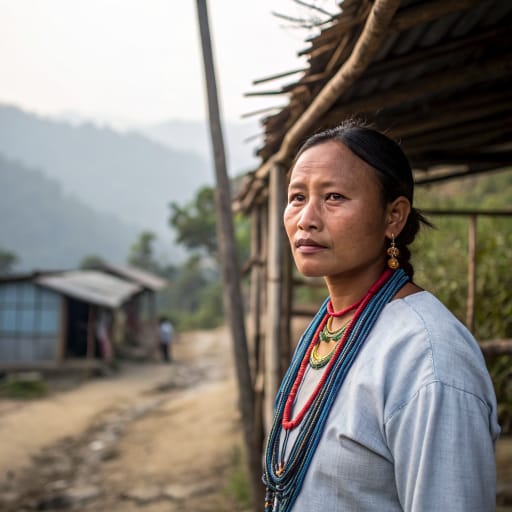
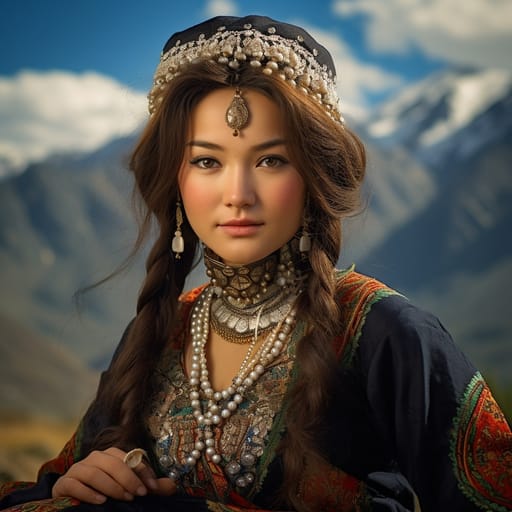
Typical Jamali Phenotypes
Reference for AI generation: hair, eyes, skin, facial structure, build
Explore phenotype categories
Structured taxonomy with peer-reviewed scales · 22 anatomical categories
Erotic Poses & Sex Positions
From the pose catalog: 219 named positions with reference skeletons
Frequently asked questions about Jamali people
Where is the Jamali homeland?
The Jamali homeland is The eastern plains of Balochistan, especially Jafarabad and Nasirabad districts, plus Jacobabad and other districts of northern Sindh, with smaller communities in Punjab, Pakistan in Southern Asia.
What language do Jamali people speak?
Jamali people primarily speak Balochi (Indo-European, Iranian); Sindhi and Saraiki (Indo-European, Indo-Aryan) also widely spoken.
What religion do Jamali people practice?
The predominant religion among Jamali people is Sunni Islam (Hanafi), with strong ties to regional Sufi shrines.






Make your own Jamali images
Five a day, free, no credits to buy. The studio starts from this group's phenotype data, so you can set body type, pose and style and keep the traits accurate.
Start with Jamali