Help us get this right
Does this portrait look right for Biate?
Nobody has judged this one yet. You would be the first.
Biate Erotic
Hill country on the Assam-Meghalaya border in Northeast India: Dima Hasao district (Assam) and the Saipung area of East Jaintia Hills (Meghalaya), with smaller communities in Mizoram, Tripura and Manipur.
Biate (Sino-Tibetan, Tibeto-Burman, Kuki-Chin branch, Old Kuki cluster); most also speak Pnar, Haflong Hindi, Assamese or Mizo depending on where they live.
Overwhelmingly Christian, Presbyterian and other Protestant churches, since Welsh mission work from 1890; older beliefs centered on a high god, Chung Pathian, and local spirits.
Part of the Kuki-Chin-Mizo (Zo) peoples, usually classed with the Old Kuki groups alongside Hrangkhol, Hmar and Sakachep. Five main clans: Nampui, Darnei, Ngamlai, Ngirsim and Thiaite.
About Biate People
The Biate are a small hill people of India's Northeast who carry an outsized claim: among the Kuki-Chin-Mizo peoples, they are widely counted as one of the earliest to arrive, the front edge of a long migration out of Burma. Their name is usually read as "the worshippers," from bia or biak, to worship, with the plural ending te. Like their Zo kin they trace their beginnings to a cave called Sinlung or Khurpui, and their oral history follows a slow drift through what is now Mizoram, where a town still bears their name, before the expanding Lushai clans pressed them north and west. Today most Biate live in two adjoining pockets that a state line happens to cut apart: the Saipung area of East Jaintia Hills in Meghalaya and Dima Hasao district in Assam. Smaller groups remain in Mizoram, Tripura and Manipur. They number a few tens of thousands at most, and they are a minority everywhere they live, which is why Biate organizations have long pressed for a council of their own.
The Biate language sits in the Kuki-Chin branch of Tibeto-Burman, in the cluster older surveys labeled Old Kuki, and a speaker can find familiar ground in Hrangkhol, Sakachep or Hmar. It is written in Roman script, a legacy of mission schooling. Almost nobody gets by on Biate alone: Pnar and Khasi in Meghalaya, Haflong Hindi, Dimasa and Assamese across the border, and English at school all share space in daily speech.
Welsh Presbyterian missionaries reached the Biate in 1890, and the conversion was close to total. Church now organizes the week, the calendar and much of village politics. The older religion recognized a high god, Chung Pathian, above a crowd of local spirits who had to be fed and placated, and it paced the year with festivals tied to the swidden rice cycle. Only one survives as a community-wide event: Nulding Kut, held each January, a festival of renewal given over to song, dance and traditional games. Society is patrilineal and divided among five main clans, Nampui, Darnei, Ngamlai, Ngirsim and Thiaite, and customary disputes still go before a traditional council headed by a Kalim with a deputy, the Kabur. Most families farm, working jhum plots of hill rice and vegetables, though schooling and jobs in Haflong, Shillong and further afield pull younger Biate toward wage work.
Related ethnic groups
Groups that share Biate's homeland, region, language, or religious tradition. These are likely candidates for comparative phenotype reference.
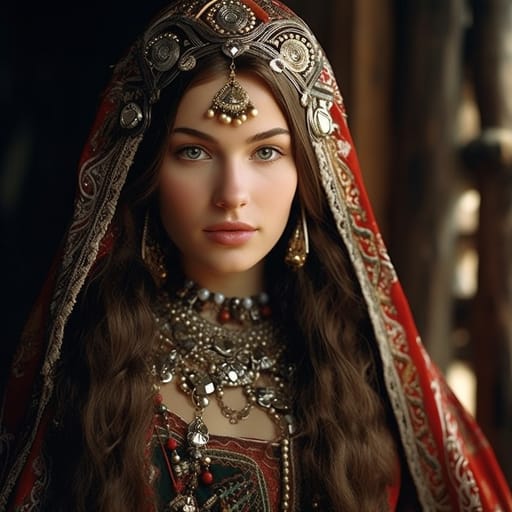
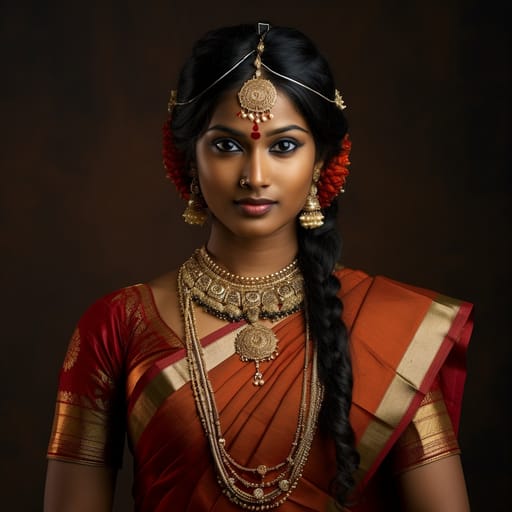
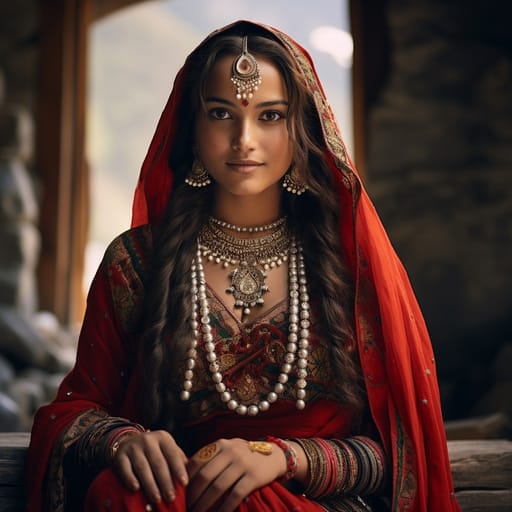
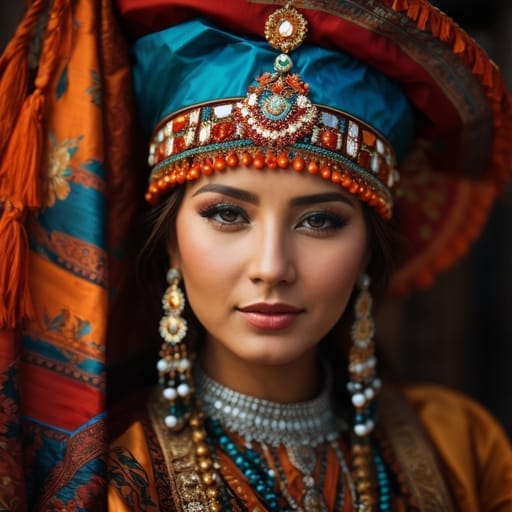
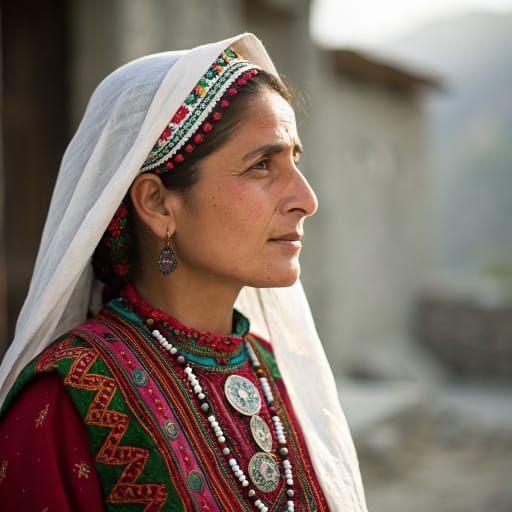
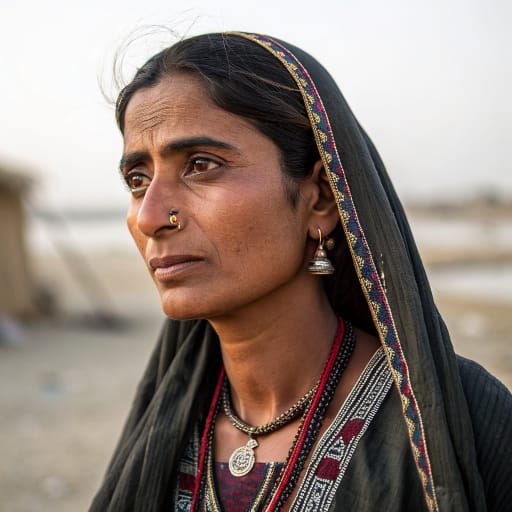
Typical Biate Phenotypes
Reference for AI generation: hair, eyes, skin, facial structure, build
Explore phenotype categories
Structured taxonomy with peer-reviewed scales · 22 anatomical categories
Erotic Poses & Sex Positions
From the pose catalog: 219 named positions with reference skeletons
Frequently asked questions about Biate people
Where is the Biate homeland?
The Biate homeland is Hill country on the Assam-Meghalaya border in Northeast India: Dima Hasao district (Assam) and the Saipung area of East Jaintia Hills (Meghalaya), with smaller communities in Mizoram, Tripura and Manipur. in Southern Asia.
What language do Biate people speak?
Biate people primarily speak Biate (Sino-Tibetan, Tibeto-Burman, Kuki-Chin branch, Old Kuki cluster); most also speak Pnar, Haflong Hindi, Assamese or Mizo depending on where they live..
What religion do Biate people practice?
The predominant religion among Biate people is Overwhelmingly Christian, Presbyterian and other Protestant churches, since Welsh mission work from 1890; older beliefs centered on a high god, Chung Pathian, and local spirits..






Make your own Biate images
Five a day, free, no credits to buy. The studio starts from this group's phenotype data, so you can set body type, pose and style and keep the traits accurate.
Start with Biate