No portrait yet
Tareen Erotic
Pishin valley and the Quetta region of northern Balochistan, Pakistan, with settled branches in the Hazara division of Khyber Pakhtunkhwa and smaller numbers in southern Afghanistan around Kandahar
Pashto, southern Kandahari dialect (Eastern Iranian, Indo-European); Hindko (Indo-Aryan) among the Hazara Tareens; Saraiki among those settled in southern Punjab
Sunni Islam, Hanafi school, practiced alongside the pashtunwali customary code
Sarbani Pashtun tribe of the Sharkhbun line; two branches, Tor Tareen (Pishin, Quetta) and Spin Tareen (Harnai, Duki, Sanjawi, Sibi); the Abdali, later Durrani, are traditionally traced to a third son, Abdal
About Tareen People
The Tareen are a Pashtun tribe whose identity rests on descent rather than on a single valley or a single tongue. Their genealogy, recited the same way in Pishin and in Haripur, runs back through Sharkhbun to Sarban, which places them in the Sarbani division of the Pashtuns alongside the Shirani, Bareech and Ormar. What gives the name its weight is the next line down: tradition makes Abdal, forefather of the Abdali who later renamed themselves Durrani, a son of Tareen. A tribe that can call the Afghan royal lineage its junior branch tends to remember that fact, and Tareens do.
The core homeland is the Pishin valley and the country around Quetta in northern Balochistan, Pakistan, with a smaller presence across the border in southern Afghanistan around Kandahar. The tribe divides into two named branches, Tor Tareen and Spin Tareen, black and white, the labels being lineage markers and nothing to do with appearance. Tor Tareens hold Pishin and its orchards, a landscape of apples, grapes and apricots watered by karez, the hand-dug underground channels that carry snowmelt from the hills to the fields. Spin Tareens live to the east and south in Harnai, Duki, Sanjawi and Sibi, between Kakar country and the Baloch and Brahui plains. Here the language is southern Pashto of the Kandahari type, an Eastern Iranian language surrounded by Balochi and by Brahui, a Dravidian outlier a thousand miles from its nearest relatives.
A second homeland lies far to the northeast in the Hazara division of Khyber Pakhtunkhwa, around Haripur and Abbottabad, where Tareen families settled as landholders in the eighteenth century. Generations there shifted to Hindko, an Indo-Aryan language, while keeping Pashtun descent, the honorific Khan and a preference for marrying within the lineage. Pakistan's first military ruler, Ayub Khan, came from a Hindko-speaking Tareen family in Haripur. A scattering of Tareens in southern Punjab speak Saraiki. The tribe is therefore trilingual by geography, and it is the shared ancestry, not the shared language, that keeps the name coherent.
Tareens are Sunni Muslims of the Hanafi school. In the villages, religion and pashtunwali, the customary code of hospitality, refuge and honor, are lived as one thing. The Pishin Tareens have long been farmers and traders rather than herders, and Quetta draws Tareen merchants, students and professionals down from the valley. In Hazara the tribe's story is one of land, local politics and the army, a settled Pashtun aristocracy that speaks the language of its neighbors and still counts its generations back to Kandahar.
Related ethnic groups
Groups that share Tareen's homeland, region, language, or religious tradition. These are likely candidates for comparative phenotype reference.
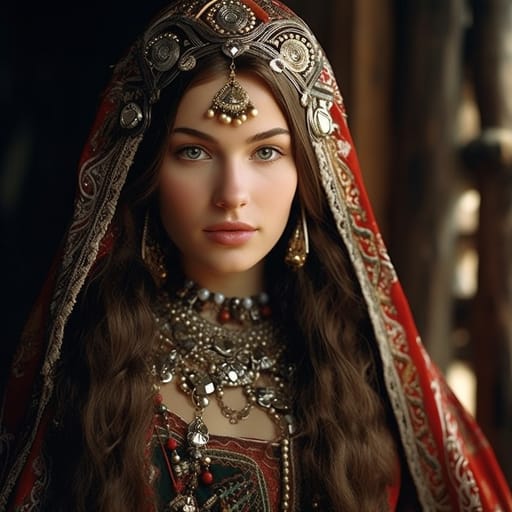
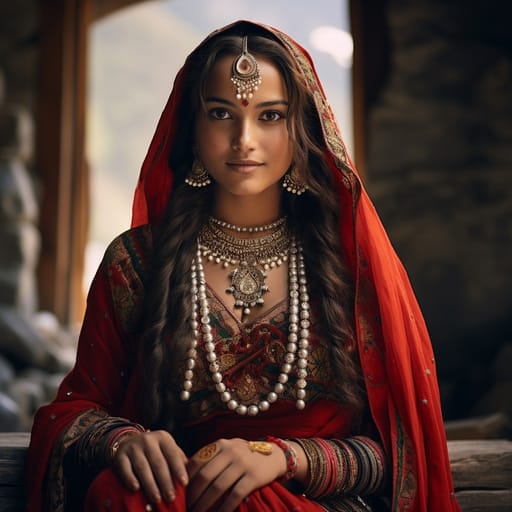
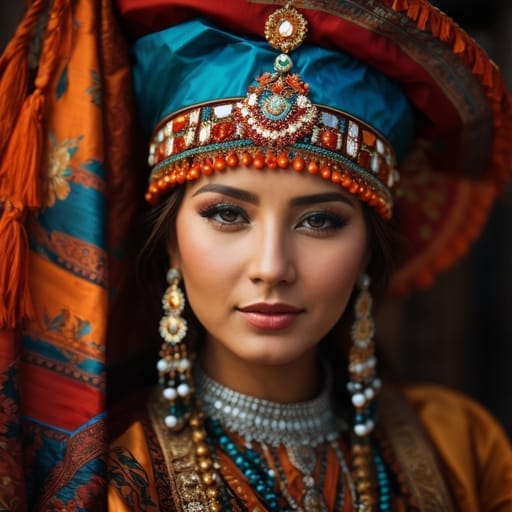
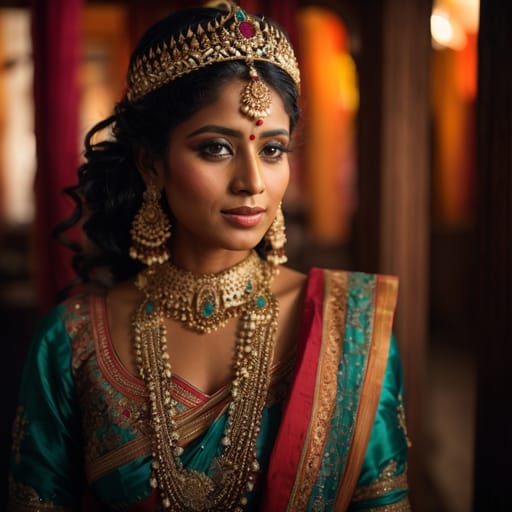
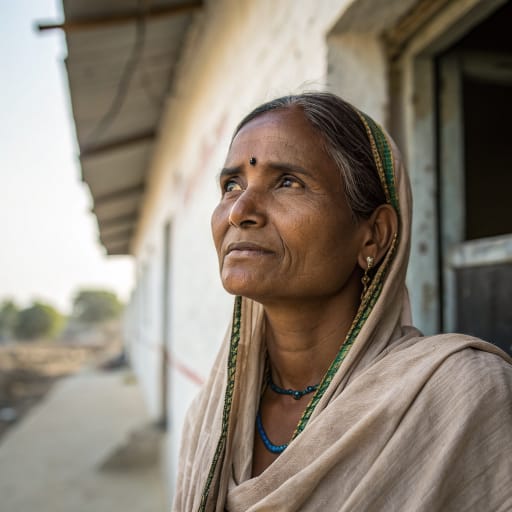
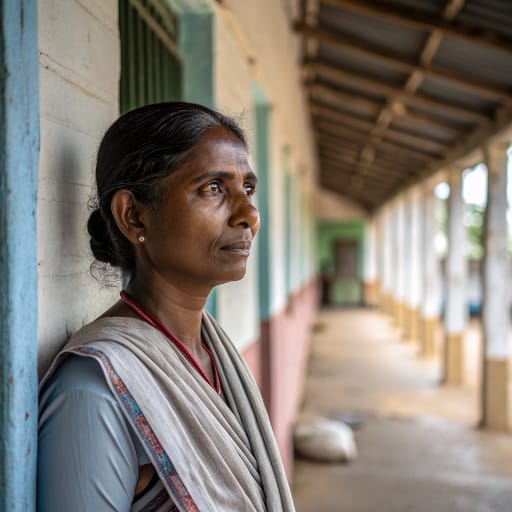
Typical Tareen Phenotypes
Reference for AI generation: hair, eyes, skin, facial structure, build
Explore phenotype categories
Structured taxonomy with peer-reviewed scales · 22 anatomical categories
Erotic Poses & Sex Positions
From the pose catalog: 219 named positions with reference skeletons
Frequently asked questions about Tareen people
Where is the Tareen homeland?
The Tareen homeland is Pishin valley and the Quetta region of northern Balochistan, Pakistan, with settled branches in the Hazara division of Khyber Pakhtunkhwa and smaller numbers in southern Afghanistan around Kandahar in Southern Asia.
What language do Tareen people speak?
Tareen people primarily speak Pashto, southern Kandahari dialect (Eastern Iranian, Indo-European); Hindko (Indo-Aryan) among the Hazara Tareens; Saraiki among those settled in southern Punjab.
What religion do Tareen people practice?
The predominant religion among Tareen people is Sunni Islam, Hanafi school, practiced alongside the pashtunwali customary code.






Make your own Tareen images
Five a day, free, no credits to buy. The studio starts from this group's phenotype data, so you can set body type, pose and style and keep the traits accurate.
Start with Tareen