No portrait yet
Yolmo Erotic
Helambu (Yolmo) valleys of Sindhupalchok and Nuwakot districts, north of Kathmandu, Nepal; smaller communities in Ramechhap, Lamjung and Ilam, and in Darjeeling and Sikkim, India
Yolmo, also called Hyolmo or Helambu Sherpa (Tibetic, Sino-Tibetan), closest to Kyirong Tibetan and Syuba; written in Tibetan script; Nepali widely spoken
Tibetan Buddhism, mainly Nyingma with some Kagyu, alongside bombo shamanism
Tibetan-origin Himalayan people of Nepal; related to Kyirong Tibetans, Syuba (Kagate) and Sherpa; organized in patrilineal clans with hereditary lama lineages
About Yolmo People
The Yolmo are the people of Helambu, a cluster of high valleys in Sindhupalchok district that begins a couple of days' walk north of Kathmandu and climbs toward the Langtang range. For most of the twentieth century Nepal's census counted them as Sherpa, and trekking guides still call them Helambu Sherpa, but the Yolmo have never fully accepted the label. Their own name comes from the valley: Yolmo is the Tibetan name for Helambu, and the people are the Yolmowa, the ones who belong to it. Nepal now recognizes them as a distinct indigenous nationality, and the 2011 census counted roughly eleven thousand, with sizable communities in Kathmandu's Boudha neighborhood, in Nuwakot, Ramechhap, Lamjung and Ilam, and across the border in Darjeeling and Sikkim.
The language tells the story of where they came from. Yolmo is Tibetic, and its closest relative is not Sherpa but the speech of Kyirong, just over the Himalayan crest in Tibet. The lama families trace their descent to Kyirong, and their ancestors are remembered as arriving a few centuries ago, building temples at villages like Tarke Gyang, Sermathang and Melamchi Ghyang, and marrying into the Tamang communities already farming the lower slopes. That mix still shows: Helambu is a place where Yolmo and Tamang households share ridgelines and the line between them has been negotiated over generations of kinship. Most Yolmo also speak Nepali, and in the city the young often speak little else.
Religion is Nyingma Buddhism, and Helambu carries weight in the Tibetan imagination out of proportion to its size. It is counted among the beyul, the hidden valleys said to have been sealed by Padmasambhava as refuges for troubled times, and Milarepa is said to have meditated in its caves. Village temples are served by married householder lamas rather than celibate monks, which keeps ritual expertise inside particular lineages. Alongside them work the bombo, shamans who drum and tremble through the night to call back a patient's lost life force, a practice the anthropologist Robert Desjarlais documented in detail. The two traditions divide the labor rather than compete. Above it all stands Ama Yangri, the peak the Yolmo treat as the valley's guardian mother, climbed each year in a pilgrimage that pulls the diaspora home.
The April 2015 earthquake hit Sindhupalchok harder than almost any district in Nepal, and Helambu's stone villages and old temples were largely flattened. Rebuilding, trekking income and remittances from abroad have shaped Yolmo life since. Older women still wear the wrap dress and striped apron familiar across the Tibetan borderlands. The men, for the most part, dress like anyone else in Kathmandu.
Related ethnic groups
Groups that share Yolmo's homeland, region, language, or religious tradition. These are likely candidates for comparative phenotype reference.



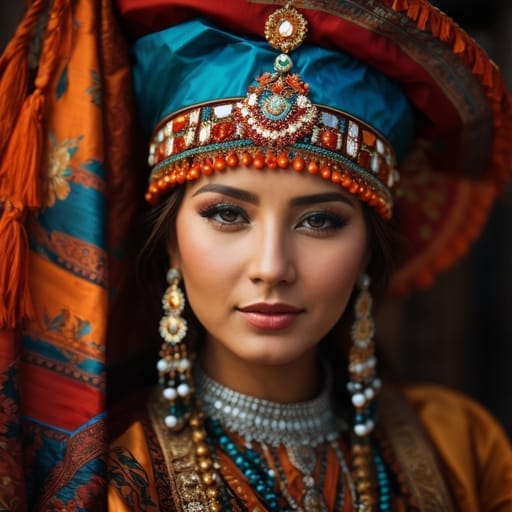
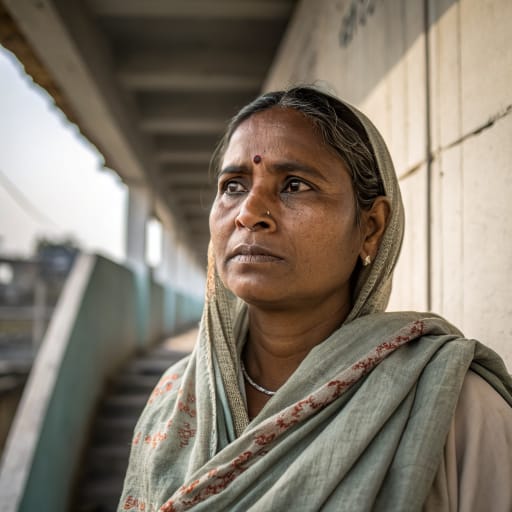
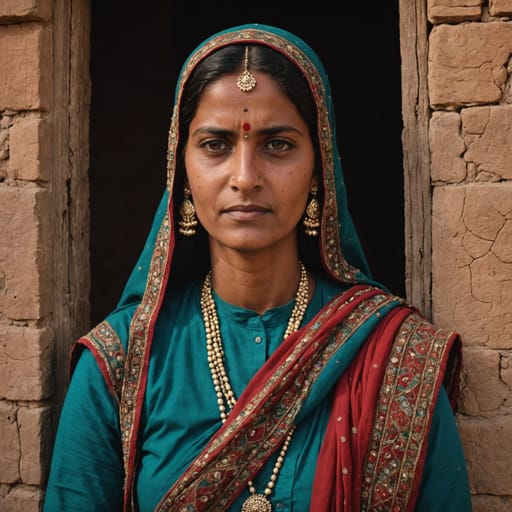
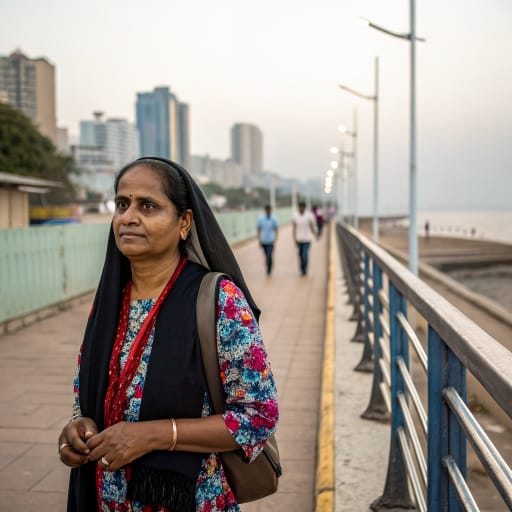
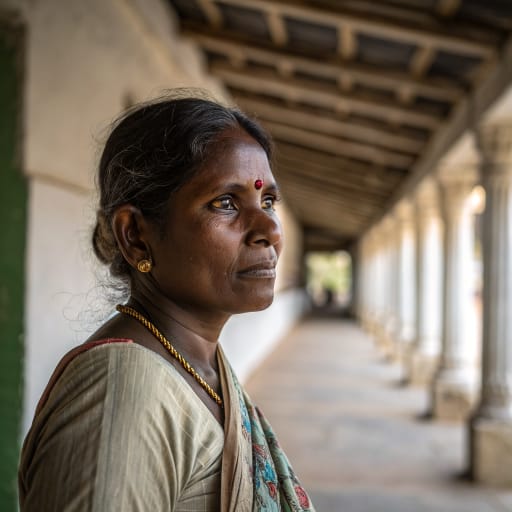
Typical Yolmo Phenotypes
Reference for AI generation: hair, eyes, skin, facial structure, build
Explore phenotype categories
Structured taxonomy with peer-reviewed scales · 22 anatomical categories
Erotic Poses & Sex Positions
From the pose catalog: 219 named positions with reference skeletons
Frequently asked questions about Yolmo people
Where is the Yolmo homeland?
The Yolmo homeland is Helambu (Yolmo) valleys of Sindhupalchok and Nuwakot districts, north of Kathmandu, Nepal; smaller communities in Ramechhap, Lamjung and Ilam, and in Darjeeling and Sikkim, India in Southern Asia.
What language do Yolmo people speak?
Yolmo people primarily speak Yolmo, also called Hyolmo or Helambu Sherpa (Tibetic, Sino-Tibetan), closest to Kyirong Tibetan and Syuba; written in Tibetan script; Nepali widely spoken.
What religion do Yolmo people practice?
The predominant religion among Yolmo people is Tibetan Buddhism, mainly Nyingma with some Kagyu, alongside bombo shamanism.






Make your own Yolmo images
Five a day, free, no credits to buy. The studio starts from this group's phenotype data, so you can set body type, pose and style and keep the traits accurate.
Start with Yolmo