Help us get this right
Does this portrait look right for Tai Aiton?
Nobody has judged this one yet. You would be the first.
Tai Aiton Erotic
Villages in the Dhansiri valley of Assam, northeast India, in Golaghat and Karbi Anglong districts; ancestors came from Upper Burma (Myanmar) across the Patkai hills.
Aiton (Southwestern Tai, Kra-Dai), written in a Burmese-derived Tai script; Assamese (Indo-Aryan) as the everyday second language.
Theravada Buddhism, with older Tai spirit beliefs and khon-calling rites alongside.
One of the Tai Buddhist peoples of Assam with the Khamti, Phake, Khamyang and Turung; related to the Ahom and to the Shan of Myanmar. Listed as Man (Tai speaking) among Assam's Scheduled Tribes.
About Tai Aiton People
The Tai Aiton are one of the smallest Tai-speaking Buddhist communities of Assam, a few thousand people in a scatter of villages along the Dhansiri valley in Golaghat and Karbi Anglong districts. What marks them out is a combination that looks unlikely on a map of northeast India: a language related to Shan and Thai, Theravada monasteries among Hindu Assamese and Karbi neighbors, and a shared memory of walking in over the Patkai hills from Upper Burma. Most accounts place that crossing two or three centuries back. By then the Ahom, the Tai people who had founded a kingdom in Assam in the thirteenth century, had largely adopted Hinduism and the Assamese language. The Aiton, arriving later and already Buddhist, kept their speech and their faith. Aiton belongs to the Southwestern Tai branch of the Kra-Dai family and sits closest to Phake, Khamti and Khamyang, the speech of Assam's other small Tai groups, with Shan as the nearest big relative across the border. Linguists who have worked in the villages describe a tone system pared down to three tones, fewer than its sister languages carry, and a grammar that has bent toward Assamese after generations of bilingualism. Everyone speaks Assamese outside the home, children are schooled in it, and Aiton is counted as endangered.
Daily life runs on wet rice and the monastery calendar. Any settlement of size supports a vihara and its monks, and the year turns on Poi Sangken, the April water festival when Buddha images are brought out and bathed, followed by the rains retreat and the robe offering that closes it. The monasteries also keep hand-copied manuscripts in a rounded script of the Burmese and Shan type: religious texts, chronicles and ritual guides that are read aloud at ceremonies. Older spirit beliefs have not vanished under the Buddhism: rites to call back a person's wandering life essence, the khon, are still performed. Houses were traditionally raised on stilts in timber and bamboo, a Tai habit that survives alongside brick and concrete. Women weave at home, and the handwoven skirt remains a marker of identity at festivals and weddings. Officially the Aiton fall under the Scheduled Tribe entry "Man (Tai speaking)" in Assam's autonomous hill districts, a bureaucratic label shared with their Tai Buddhist cousins. In practice they work closely with the Phake, Khamti, Khamyang and Turung on language teaching, script revival and shared festivals, since none of these communities is large enough to carry that work alone. The open question is a plain one: whether a language spoken in a handful of villages can hold for another generation.
Related ethnic groups
Groups that share Tai Aiton's homeland, region, language, or religious tradition. These are likely candidates for comparative phenotype reference.

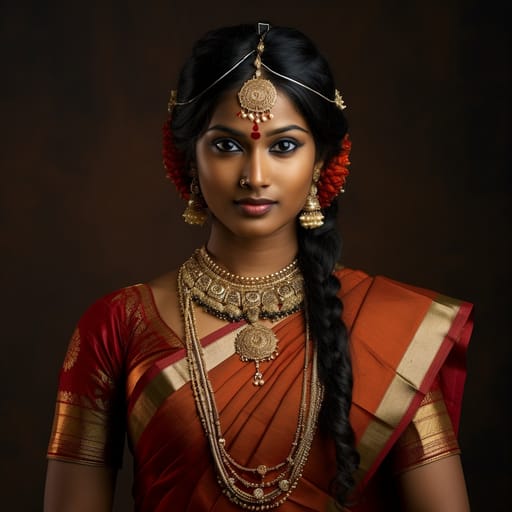
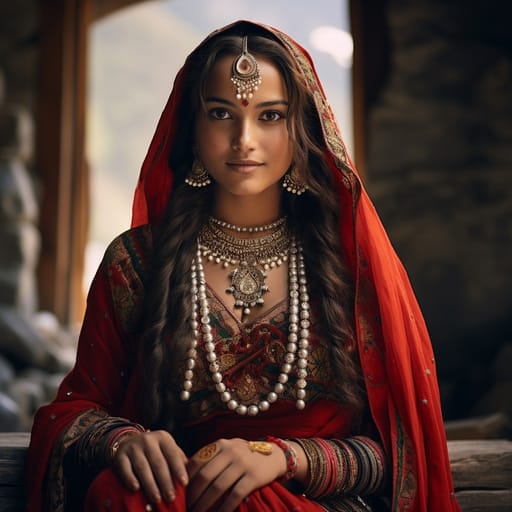
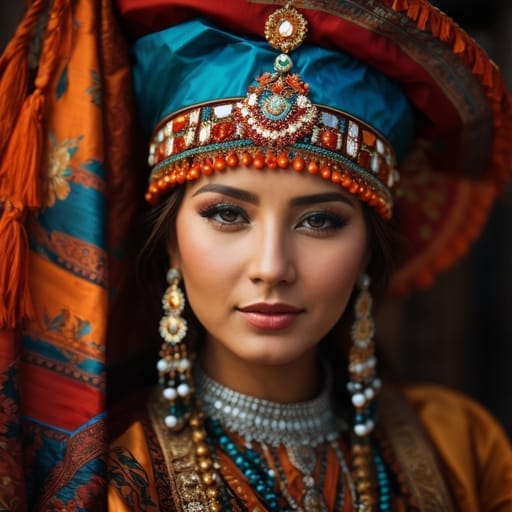
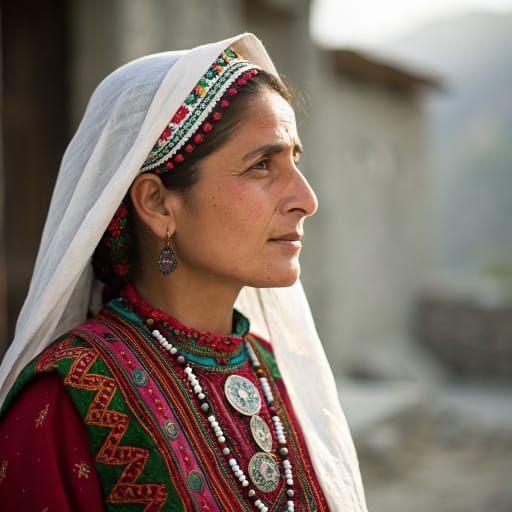
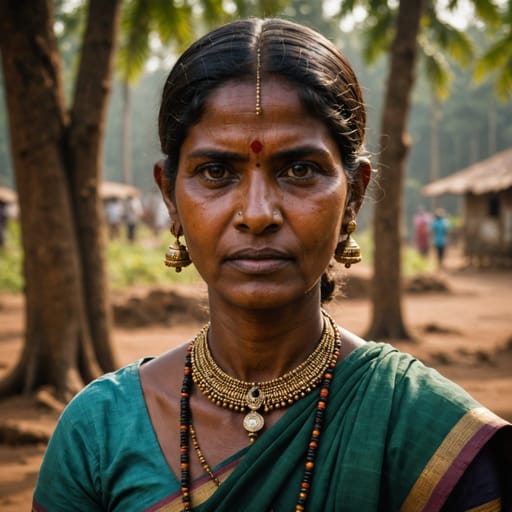
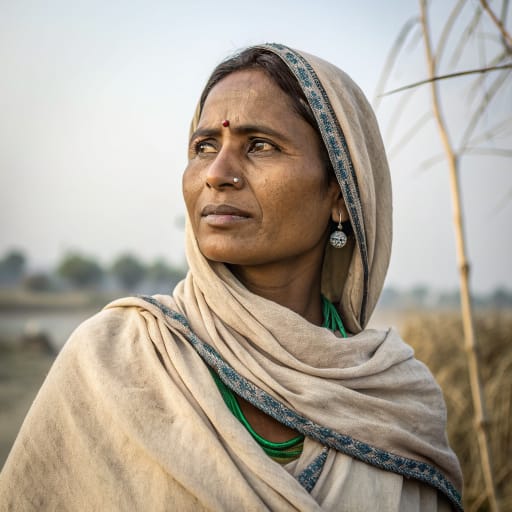
Typical Tai Aiton Phenotypes
Reference for AI generation: hair, eyes, skin, facial structure, build
Explore phenotype categories
Structured taxonomy with peer-reviewed scales · 22 anatomical categories
Erotic Poses & Sex Positions
From the pose catalog: 219 named positions with reference skeletons
Frequently asked questions about Tai Aiton people
Where is the Tai Aiton homeland?
The Tai Aiton homeland is Villages in the Dhansiri valley of Assam, northeast India, in Golaghat and Karbi Anglong districts; ancestors came from Upper Burma (Myanmar) across the Patkai hills. in Southern Asia.
What language do Tai Aiton people speak?
Tai Aiton people primarily speak Aiton (Southwestern Tai, Kra-Dai), written in a Burmese-derived Tai script; Assamese (Indo-Aryan) as the everyday second language..
What religion do Tai Aiton people practice?
The predominant religion among Tai Aiton people is Theravada Buddhism, with older Tai spirit beliefs and khon-calling rites alongside..






Make your own Tai Aiton images
Five a day, free, no credits to buy. The studio starts from this group's phenotype data, so you can set body type, pose and style and keep the traits accurate.
Start with Tai Aiton