Help us get this right
Does this portrait look right for Bhotiya?
Nobody has judged this one yet. You would be the first.
Bhotiya Erotic
High border valleys of Uttarakhand, India (Chamoli, Pithoragarh and Uttarkashi districts), with related communities in Himachal Pradesh, Sikkim and northern Nepal.
Byangsi, Darmiya, Chaudangsi, Johari, Marchha and Tolchha (West Himalayish, Sino-Tibetan) and Tibetic Jad; Hindi, Kumaoni and Garhwali in daily use.
Mostly Hindu with Tibetan Buddhist practice woven in, alongside village deities and ancestor rites; the Jad and Sikkim's Bhutia are Buddhist.
Jad, Marcha, Tolcha, Johari (Shauka) and the Rang of Darma, Byans and Chaudans; loosely grouped with Sikkim's Bhutia and other Tibetan-facing Himalayan communities.
About Bhotiya People
The name comes from Bod, the Tibetan word for Tibet, and it was applied from below, by the plains and the middle hills, to everyone living where the Himalaya breaks toward the plateau. It covers communities who do not necessarily consider themselves one people: the Jad of the upper Bhagirathi, the Marcha and Tolcha of the Niti and Mana valleys, the Johari or Shauka of the Gori Ganga, and the Rang of the Darma, Byans and Chaudans valleys, who have their own name and would rather you used it. The old languages of these valleys, Byangsi, Darmiya, Chaudangsi and their neighbors, belong to a West Himalayish branch of Sino-Tibetan, cousin to Tibetan rather than descended from it, and several are down to their last fluent speakers. What the communities share is a position. They live on the seam between Hindu India and Buddhist Tibet, and for centuries they made their living by being the people who could cross it. Grain, sugar, cloth and metal went north over passes above 17,000 feet; salt from the Tibetan lakes, borax, wool, pashmina and gold dust came back. The freight moved on goats and sheep, hundreds to a caravan, each under a small twin saddlebag, because an animal that grazes at that altitude beats one whose fodder you have to carry. The deals rested on hereditary partnerships with families on the Tibetan side, inherited like a house or a field.
Villages came in pairs, a high one near the pass for summer and a low one for winter, and whole communities shifted between them with their herds. Many families still keep that calendar even though the reason for it is gone. The reason went in 1962, when the war with China closed the border and an economy that had run for centuries stopped inside a season. What followed matters more than the closure: Scheduled Tribe recognition in 1967, and with it a hard collective turn toward schooling and salaried work, which Johar valley families in particular pursued to real effect. Weavers who once worked Tibetan fleece now buy wool from Punjab and sell blankets and carpets under the Munsyari and Dharchula names. Others outfit the Kailash pilgrimage over Lipulekh, guiding traffic along a road their grandparents owned. In 1974 the women of Reni, a Bhotiya village in Chamoli, put themselves between a contractor's axes and the forest and gave the Chipko movement its founding scene. Religion is layered like the country: Hindu observance, Buddhist habit, and village deities and ancestors addressed on their own terms.
Related ethnic groups
Groups that share Bhotiya's homeland, region, language, or religious tradition. These are likely candidates for comparative phenotype reference.
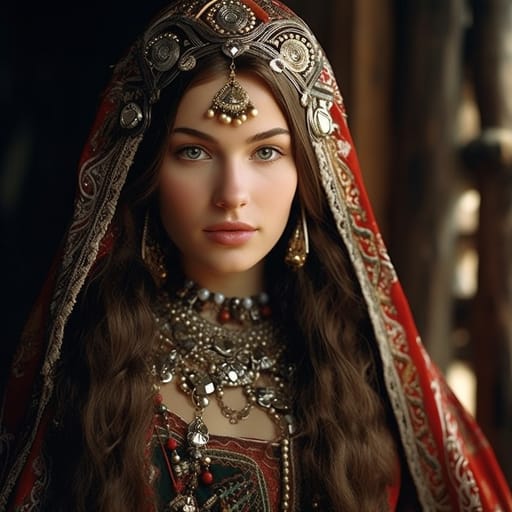
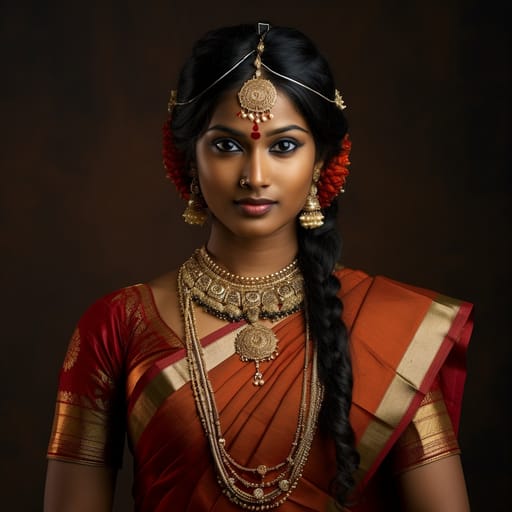
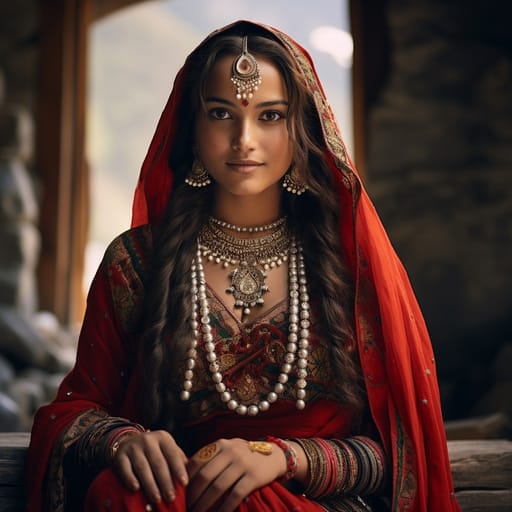
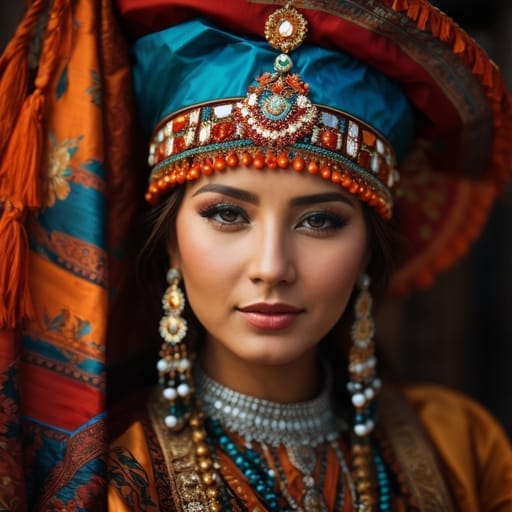
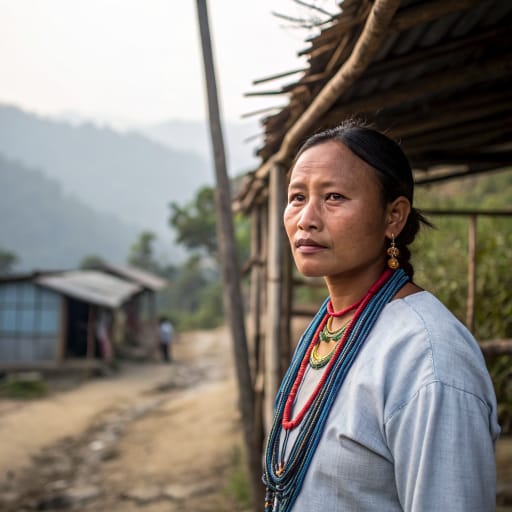
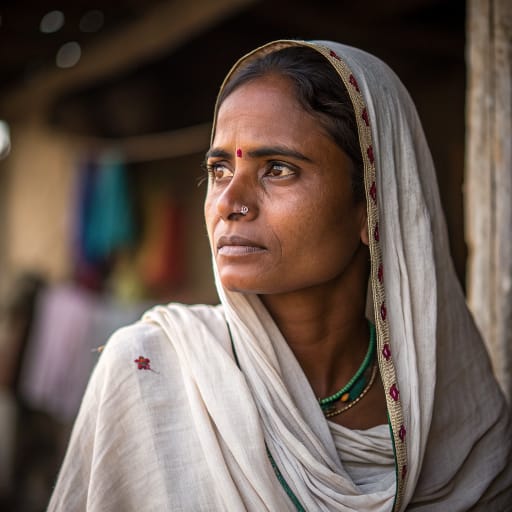
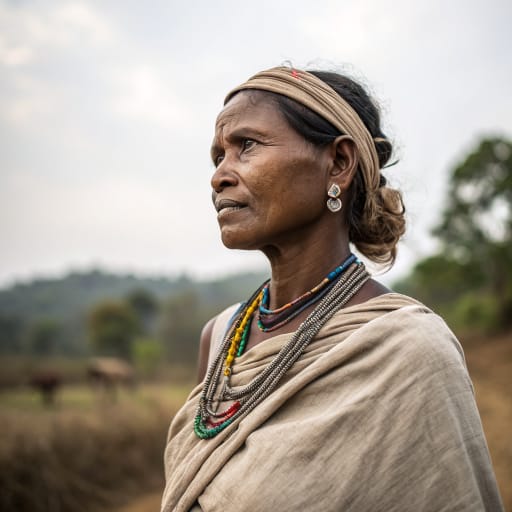
Typical Bhotiya Phenotypes
Reference for AI generation: hair, eyes, skin, facial structure, build
Explore phenotype categories
Structured taxonomy with peer-reviewed scales · 22 anatomical categories
Erotic Poses & Sex Positions
From the pose catalog: 219 named positions with reference skeletons
Frequently asked questions about Bhotiya people
Where is the Bhotiya homeland?
The Bhotiya homeland is High border valleys of Uttarakhand, India (Chamoli, Pithoragarh and Uttarkashi districts), with related communities in Himachal Pradesh, Sikkim and northern Nepal. in Southern Asia.
What language do Bhotiya people speak?
Bhotiya people primarily speak Byangsi, Darmiya, Chaudangsi, Johari, Marchha and Tolchha (West Himalayish, Sino-Tibetan) and Tibetic Jad; Hindi, Kumaoni and Garhwali in daily use..
What religion do Bhotiya people practice?
The predominant religion among Bhotiya people is Mostly Hindu with Tibetan Buddhist practice woven in, alongside village deities and ancestor rites; the Jad and Sikkim's Bhutia are Buddhist..






Make your own Bhotiya images
Five a day, free, no credits to buy. The studio starts from this group's phenotype data, so you can set body type, pose and style and keep the traits accurate.
Start with Bhotiya