No portrait yet
Karava Erotic
Coastal belt of western and southern Sri Lanka, especially around Negombo, Moratuwa and the southern shore
Sinhala (Indo-Aryan); some Negombo fishing families also speak a local Tamil dialect (Dravidian)
Theravada Buddhism and Roman Catholicism
A caste community within the Sinhalese; Buddhist and Catholic branches; claims shared origins with the Tamil Karaiyar
About Karava People
The Karava are one of the large caste communities of Sinhalese Sri Lanka, and they have never been shy about where they say they come from. In the community's own telling, the name comes from the Kauravas of the Mahabharata. Many families identify with the Kurukula, the Kuru clan, and carry honorific surnames such as Warnakulasuriya and Kurukulasuriya. Some scholars prefer a plainer origin in the Tamil karai, meaning shore. Both readings say something true: the Karava are a coastal people who have long insisted they are more than fishermen.
Their towns and villages run along the western and southern coasts, with deep roots around Negombo and Moratuwa. A local chronicle, the Mukkara Hatana, tells of warriors from South Indian ports whom a Sinhalese king brought over in the fifteenth century to fight the Mukkuvars near Puttalam, then rewarded with land. Whatever the exact history, the pattern is familiar on this island: South Indian arrivals took on the Sinhala language and Sinhalese society over generations. Among the Tamils of the north, the Karaiyar caste tells much the same origin story.
Their language is Sinhala, an Indo-Aryan language whose neighbors are Dravidian, though fishing families around Negombo kept a local Tamil dialect alive into modern times. Religion divides the community. Portuguese missionaries found willing converts on the coast in the sixteenth and seventeenth centuries, and Catholic Karava helped make Negombo the town still called Little Rome, where church feasts and the Holy Week passion play at Duwa set the rhythm of the year. Other Karava stayed Theravada Buddhist. Because the old Siyam Nikaya ordained only Goyigama men, Karava Buddhists looked to the Amarapura and Ramanna orders, both founded in the nineteenth century outside that rule.
The big turn came under British rule. Karava businessmen moved from boats into arrack renting, plantations and mining, and families such as the de Soysas of Moratuwa built fortunes that rivaled the old landed elite. That money built schools, temples and churches. It also sharpened an old rivalry with the Goyigama over rank, fought out in pamphlets, in the press and in colonial elections well into the twentieth century. Today the Karava include trawler owners and lawyers, parish priests and politicians, and caste matters more when families arrange a marriage than it does in public life. Some families still bring out ancestral flags at weddings and funerals, a reminder of their old claim to royal honors.
Related ethnic groups
Groups that share Karava's homeland, region, language, or religious tradition. These are likely candidates for comparative phenotype reference.
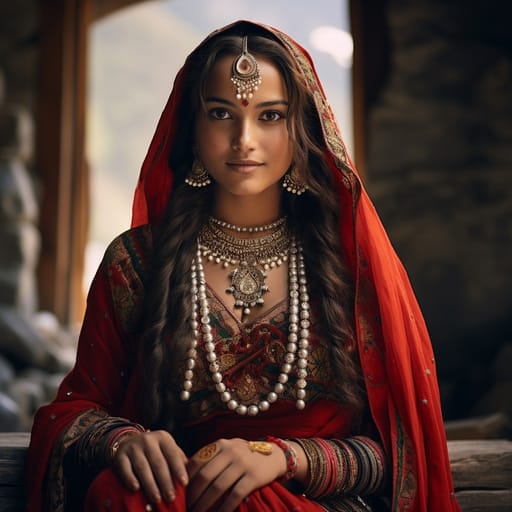
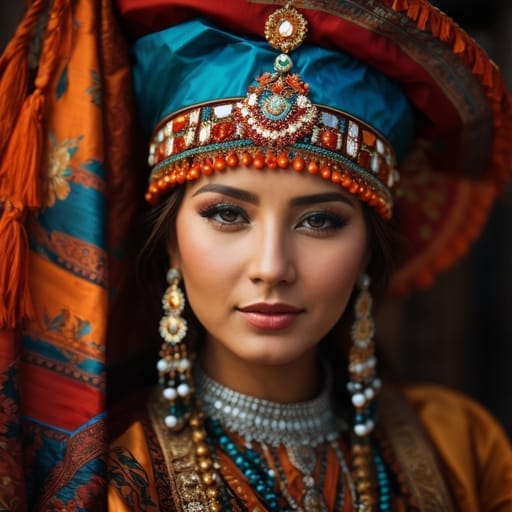
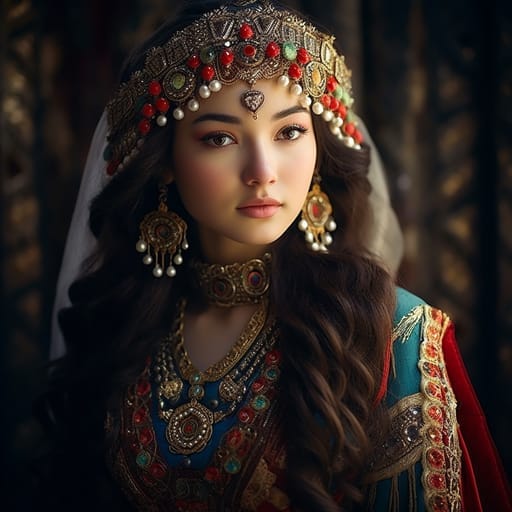
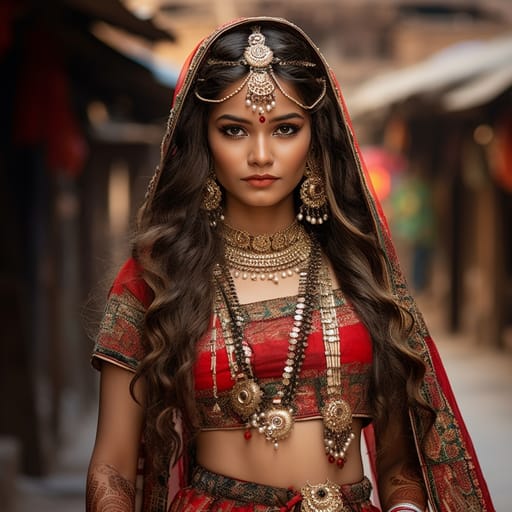
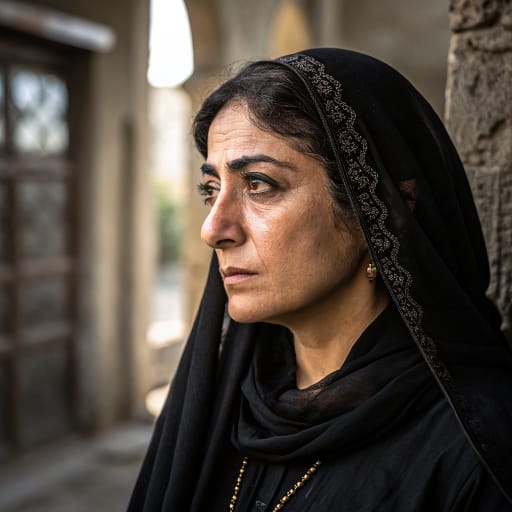
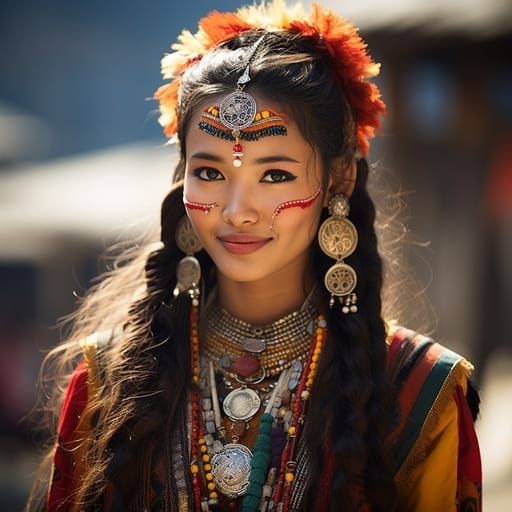
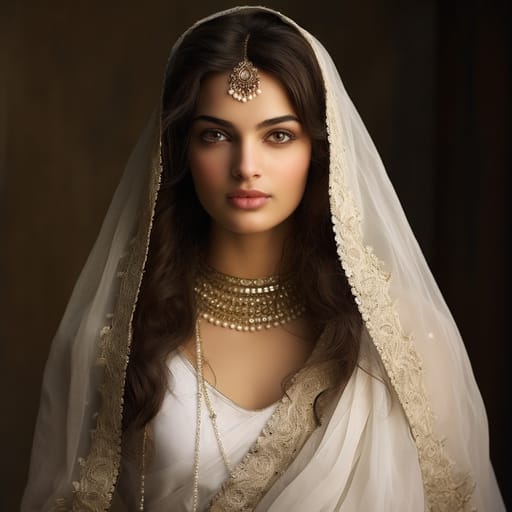
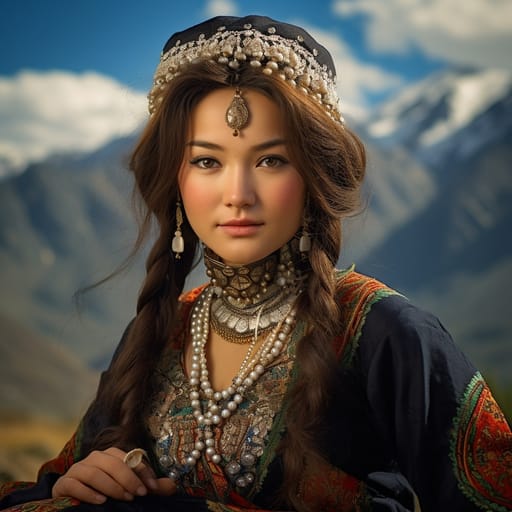
Typical Karava Phenotypes
Reference for AI generation: hair, eyes, skin, facial structure, build
Karava Body & Anatomy Reference
Indo-Aryan / Dravidian South Asian phenotype: anatomy reference for AI nude generation
Karava Boobs & Breasts
Karava boobs follow the Indo-Aryan / Dravidian South Asian profile: medium-to-large cup, moderate-to-full projection. Areolar diameter is usually 32-46mm, and the coloring is medium-brown to dark-brown areolar pigmentation against the wheatish-to-brown skin tone. Breast shape tracks body composition (endomorph-to-mesomorph with fuller hip deposition, mean adult female BMI 22-25), so Karava breasts tend to be full and soft, generally fuller than the East Asian norm. Expect a forward-set shape, not the smaller East Asian bust profile.
Karava Ass & Hips
Karava ass and hip morphology presents as medium-to-full, moderate-to-high projection, classic curvy hip profile, distinctly different from the slim hip profile of East Asian women. The Karava pelvic profile shows medium-to-wide iliac crests, full gluteal-femoral fat distribution, anchored in the Indo-Aryan / Dravidian South Asian skeletal pattern. Karava butt shots in adult AI imagery should render the medium-to-full, moderate-to-high projection, classic curvy hip profile silhouette with the overall build (endomorph-to-mesomorph with fuller hip deposition) and the fat distribution typical of the Indo-Aryan / Dravidian South Asian phenotype.
Karava Vagina & Pussy
Karava pussy anatomy typically shows medium-brown to dark-brown labial pigmentation, fuller labia minora projection. Pubic hair is usually straight-to-wavy coarse texture, dense distribution. In AI-generated Karava nudes, labial color should blend into the wheatish to brown skin with a gradual transition, and the hair should keep its straight-to-wavy coarse texture.
Karava Dicks & Penis
Penis reference for Karava men: regional mean ~13cm erect, moderate girth. Coloring: medium-brown shaft pigmentation. An accurate Karava cock in AI imagery matches the surrounding wheatish to brown skin rather than a generic porn default. Circumcision depends on religion and custom, not ancestry.
Karava Body, Curves & Build
The Karava figure is generally endomorph-to-mesomorph with fuller hip deposition, with mean adult female BMI 22-25, characteristic of Indo-Aryan / Dravidian South Asian ancestry. AI image tools tend to flatten regional body types into a few stock shapes; here the Karava build is kept as its own reference.
Karava Skin Tone & Hair Texture
Skin: wheatish to brown (Fitzpatrick III-V). Hair: straight-to-wavy 1A-2B, dense, dark-brown to black. Both are typical of Indo-Aryan / Dravidian South Asian ancestry. The most common mistake in AI nudes of Karava women is a body rendered lighter than the face.
Explore phenotype categories
Structured taxonomy with peer-reviewed scales · 22 anatomical categories
Erotic Poses & Sex Positions
From the pose catalog: 219 named positions with reference skeletons
Frequently asked questions about Karava people
Where is the Karava homeland?
The Karava homeland is Coastal belt of western and southern Sri Lanka, especially around Negombo, Moratuwa and the southern shore in Southern Asia.
What language do Karava people speak?
Karava people primarily speak Sinhala (Indo-Aryan); some Negombo fishing families also speak a local Tamil dialect (Dravidian).
What religion do Karava people practice?
The predominant religion among Karava people is Theravada Buddhism and Roman Catholicism.






Make your own Karava images
Five a day, free, no credits to buy. The studio starts from this group's phenotype data, so you can set body type, pose and style and keep the traits accurate.
Start with Karava